A massive disparity has emerged in Uttarakhand's electoral roll revision, with 85% of voter-deletion requests originating from just four plains districts. The trend has sparked a political war between the BJP and Congress over demographic targeting.
- Over 85% of Form-7 applications for voter deletion are from Udham Singh Nagar, Haridwar, Dehradun, and Nainital.
- Out of 1,30,382 applications, 86,250 remain pending as of September 7.
- BJP attributes the trend to migration, while Congress alleges targeting of minority vote banks.
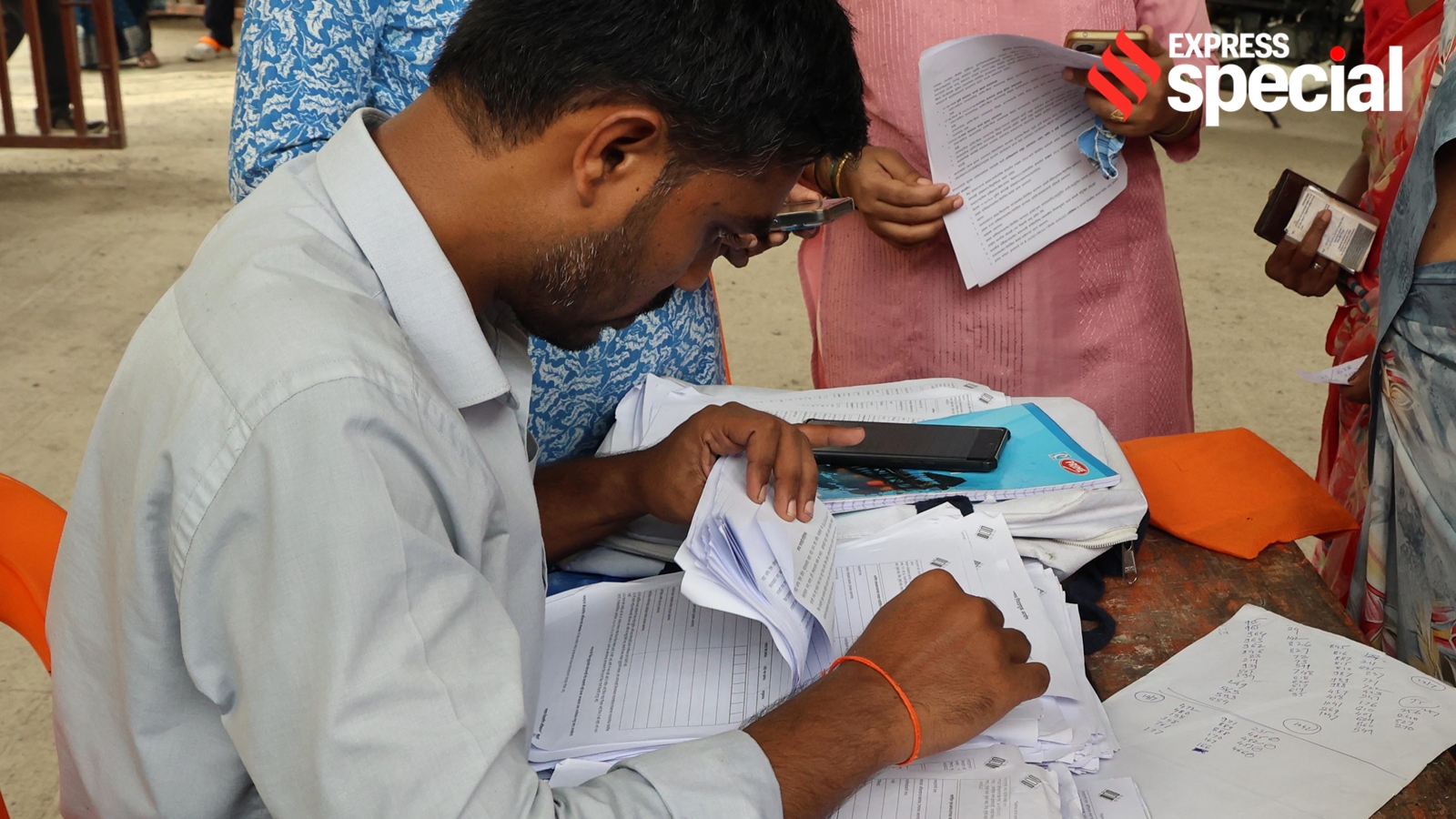
The integrity of Uttarakhand's electoral rolls has come under intense scrutiny following the revelation that a staggering 85% of Form-7 applications—used to seek the deletion of names from the voter list—are concentrated in just four districts. These districts, all located in the plains, are Udham Singh Nagar, Haridwar, Dehradun, and Nainital.
Detailed data reveals a stark contrast between the plains and the hills. Udham Singh Nagar leads with 43,878 applications, followed by Haridwar (29,369), Dehradun (19,402), and Nainital (18,301). In comparison, hill districts like Rudraprayag and Bageshwar recorded a negligible number of requests, with only 382 and 618 applications respectively. This geographical imbalance has raised red flags regarding the motives behind the deletions.
Why This Matters
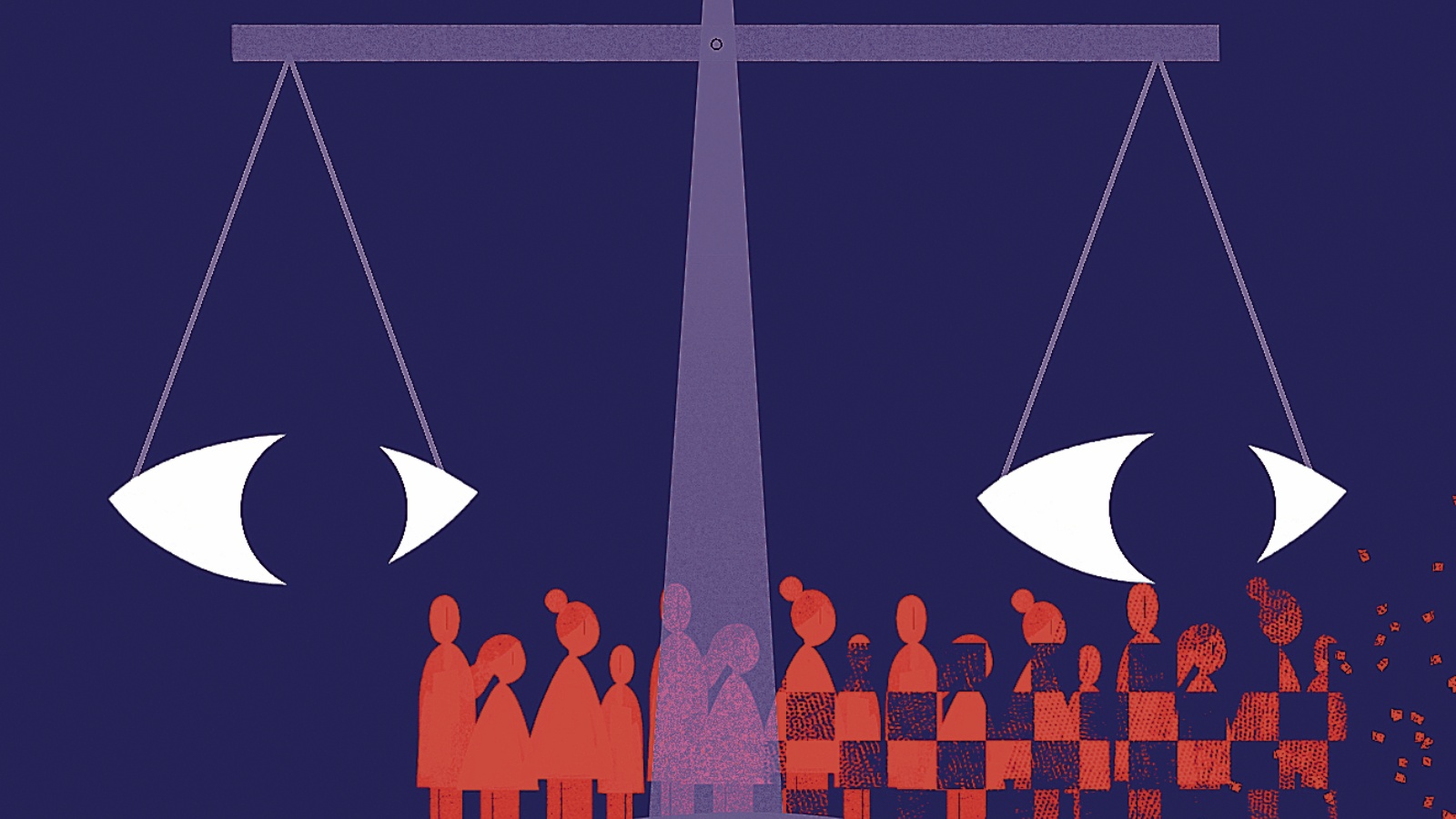
BozokMedia analysis shows that the concentration of these requests in districts with high minority and marginalized populations is not a mere coincidence. In a high-stakes political environment, the selective removal of voters from specific demographics can skew election results. While administrative migration is a factor, the sheer scale of the requests in these specific hubs suggests a need for deeper auditing of the application sources.
"When voter deletions show such extreme regional clustering, the burden of proof shifts to the authorities to ensure that legitimate voters are not being disenfranchised through systemic manipulation."
The BJP government has defended the numbers. Khajan Dass, Minister for Minority Affairs, argued that these districts are the most populous and mobile regions of the state. He claimed that the movement of people across borders and urban migration naturally leads to a higher volume of outdated electoral records. He explicitly denied that any minority group was being targeted.
However, the Congress party has launched a scathing attack on the process. Suryakant Dhasama, senior vice-president of the Uttarakhand Pradesh Congress Committee, alleged that the Election Commission is acting in the interests of the BJP. He argued that the deletions are targeting Muslims, SCs, and STs, who form the core vote bank of the Congress party.
| Plains District | Form-7 Applications | Hill District | Form-7 Applications |
|---|---|---|---|
| Udham Singh Nagar | 43,878 | Pauri Garhwal | 5,424 |
| Haridwar | 29,369 | Almora | 2,999 |
| Dehradun | 19,402 | Rudraprayag | 382 |
The administrative backlog is equally concerning. Of the 1.3 lakh applications received between July and August, only 44,132 have been processed. The Election Commission has extended the deadline to September 28, with the final roll set for publication on October 3.
Frequently Asked Questions
1. What is the purpose of Form-7?
Form-7 is used to apply for the deletion of a name from the electoral roll to keep the list updated and accurate.
2. Why is there a political dispute over these forms?
The dispute arises because the vast majority of deletion requests are from districts with high minority populations, leading to allegations of targeted disenfranchisement.