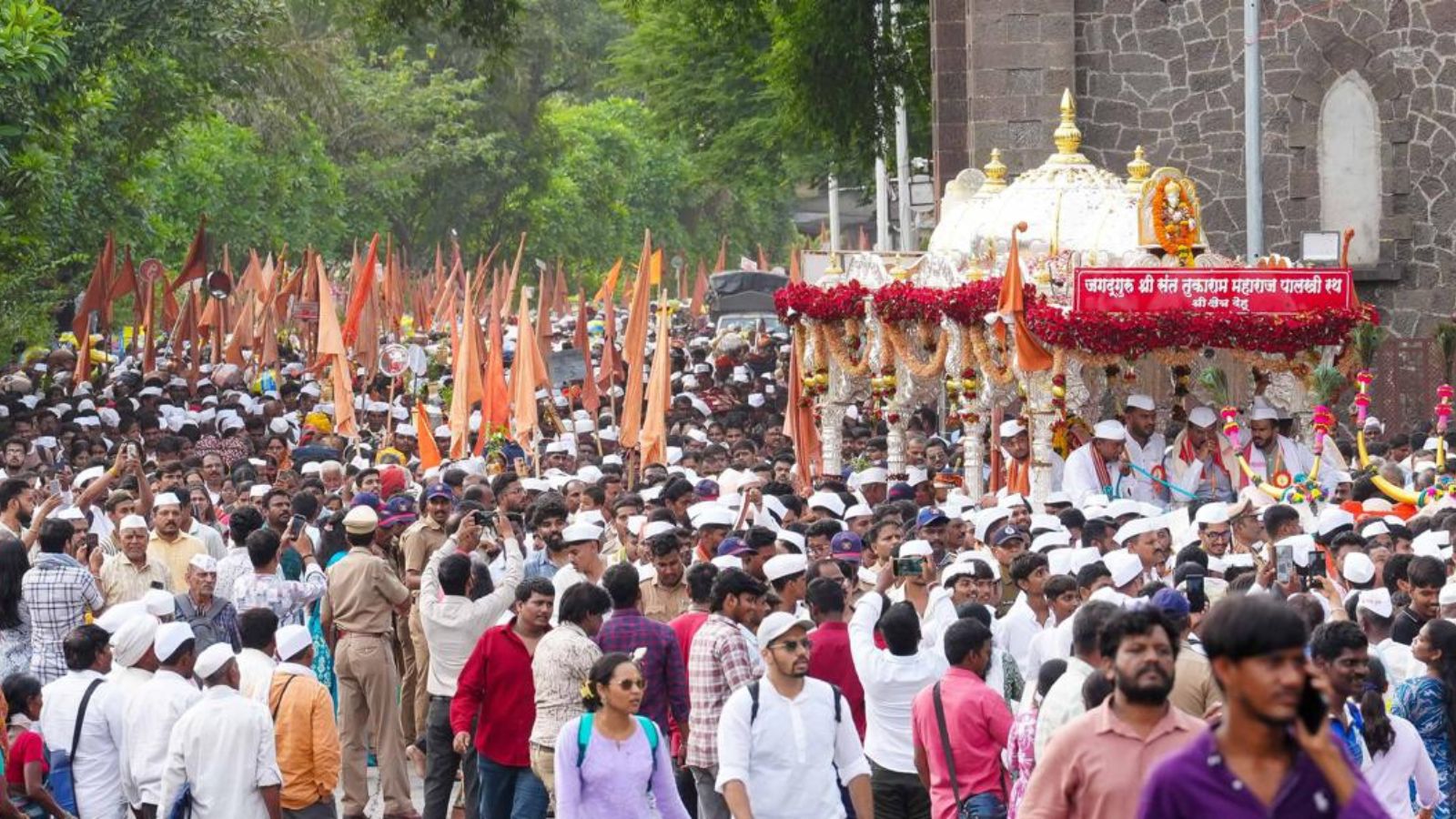
Pilgrims on the Wari pilgrimage in Pune now enjoy smoother roads, foot‑massage stations and hygienic toilets, easing the physical strain of the journey. Veteran walkers and women devotees alike welcome the upgrades while affirming the pilgrimage’s unchanged spiritual purpose.
The Wari route, which carries the Sant Dnyaneshwar Maharaj Palkhi from the south to Pandharpur, traverses Pune every year, drawing millions of devotees who walk for hours on foot. Historically, pilgrims faced uneven pathways, limited drinking water, and makeshift sanitation, turning the spiritual trek into a grueling physical ordeal. In 2026, the Pune Municipal Corporation (PMC) launched a comprehensive upgrade to address these long‑standing gaps.
Key Infrastructure Enhancements
New installations include foot‑massage machines, on‑site physiotherapy services, regular medical camps, portable and waterproof toilets, shaded shelters, enhanced lighting, and a network of CCTV cameras at major halting points. Additionally, local schools have been repurposed as temporary lodging facilities, ensuring safe and clean accommodation for large groups of walkers.
Pilgrims’ First‑Hand Experiences
Veteran pilgrim Laxman Rao, 62, who has walked the Wari from Telangana for two decades, noted, “Earlier the roads were narrow and uneven. Today they are smooth, there’s drinking water, clean toilets, and volunteers guiding us. It feels like we are truly cared for.” Similarly, 58‑year‑old Vishnu Kendre highlighted the foot‑care service: “After walking for hours, even a few minutes of foot massage makes a huge difference. Previously we just applied oil and kept moving.”
Women pilgrims also reported significant improvements. Chandrabhaga Bhosale, 52, from Talegaon, said, “Medical camps are nearby, water is readily available, and the halting arrangements are far better organized now.” Shobha Jagtap, 45, from Baramati, added, “Separate toilets and comfortable resting spots at the stops have transformed the experience for women. These may seem like small changes, but after days of walking they matter enormously.”
Women‑Specific Amenities
This year, dedicated breast‑feeding rooms were set up, though most women travel after their children are older, leaving these rooms under‑used. Nonetheless, the provision of gender‑segregated toilets and rest areas has enhanced safety and dignity for female devotees.
Looking Ahead
While the upgraded infrastructure eases the physical demands of the Wari, pilgrims unanimously stress that the pilgrimage’s core purpose remains unchanged. As Chandrabhaga put it, “Facilities have improved, but faith stays the same. We still walk with the same devotion towards Pandharpur.” This balance illustrates how modern civic amenities can coexist with age‑old spiritual traditions without diluting their essence.