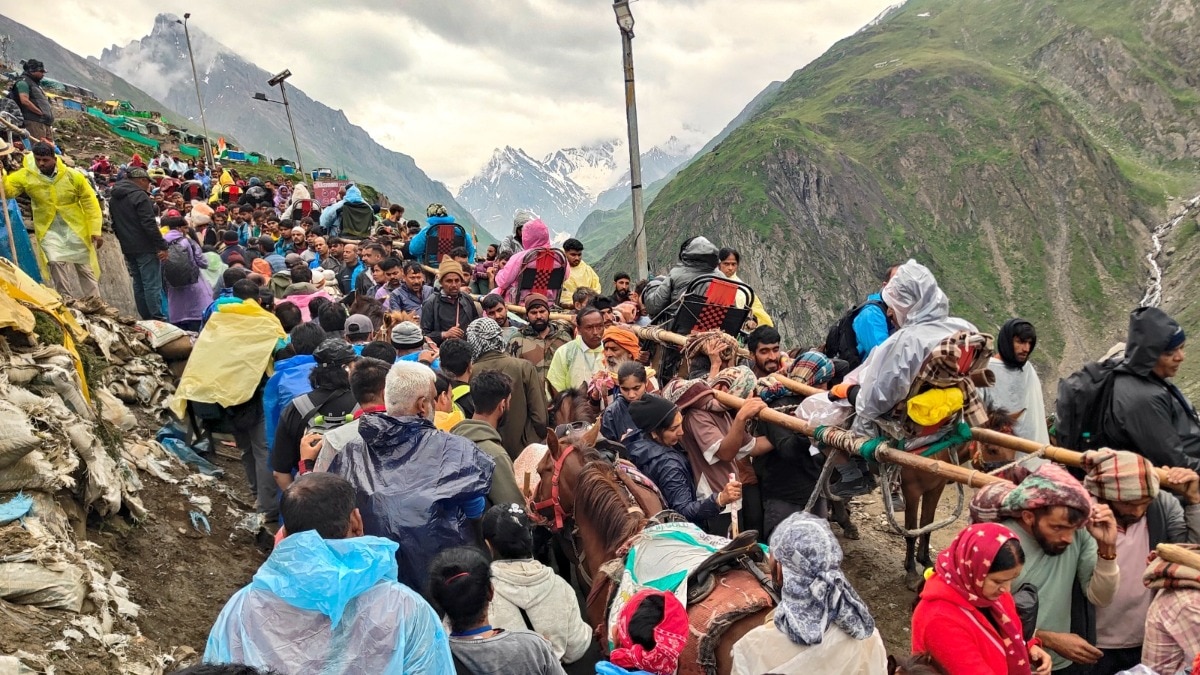
On July 12, 2026, the 11th convoy of the Amarnath Yatra set off with 9,153 devotees, including 18 children, from two base camps. The 57‑day pilgrimage has now drawn over 2.30 lakh pilgrims, while authorities have deployed stringent security measures across 359 vehicles.
Key Takeaways
- 9,153 pilgrims left in two separate convoys
- First convoy carried 3,429 pilgrims; second carried 5,724
- 359 vehicles were cleared after rigorous security checks
New Delhi, July 12, 2026 – The Amarnath shrine in Jammu‑Kashmir, revered as one of Hinduism’s holiest sites, recorded a new milestone during the 11th phase of its 57‑day annual pilgrimage. A combined total of 9,153 devotees departed from the Balthal (Ganderbal) and Nunwan (Pahalgam) base camps, underscoring both the scale of the journey and the heightened security protocols.
Logistics and Security Measures
Authorities confirmed that 359 vehicles underwent stringent inspections before being cleared for the trek. The first convoy, comprising 3,429 pilgrims, set off at 02:44 a.m. for the Balthal base camp. The second, larger convoy of 5,724 pilgrims, left at 03:35 a.m. for Nunwan. Among the travelers were 18 children, highlighting the family‑centric nature of the pilgrimage.
Historical and Cultural Significance
Located at an altitude of 12,756 feet, the Amarnath cave is steeped in ancient mythology and draws thousands of worshippers each year to pay homage to Lord Shiva. To date, more than 2.30 lakh pilgrims have successfully completed the trek in 2026, marking a substantial increase over previous years and underscoring the event’s growing popularity.
Future Challenges and Potential Impact
With pilgrim numbers rising, the twin challenges of security and environmental preservation become more acute. Officials say future iterations will incorporate advanced digital tracking, drone surveillance, and deeper collaboration with local communities to safeguard both participants and the fragile mountain ecosystem.
Community Response
Local merchants and residents view the pilgrimage as a vital economic catalyst, while devotees emphasize its spiritual significance. Consequently, the Amarnath Yatra stands not only as a religious rite but also as a critical driver of regional socio‑economic development.