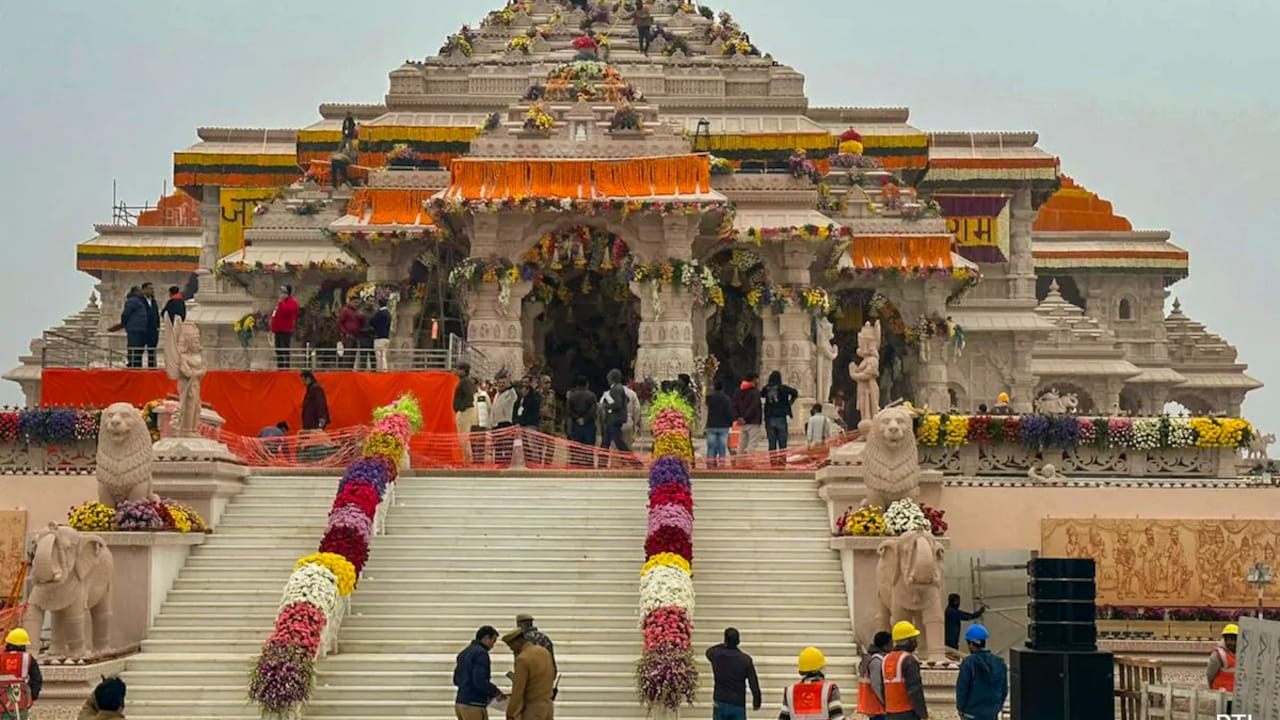
The Shri Ram Janmabhoomi Teerth Kshetra Trust in Ayodhya has invited applications for the chief executive officer position. The recruitment, set against a Supreme Court‑ordered donation probe, closes at 4 pm on July 18.
मुख्य बिंदु (Key Takeaways)
- Ayodhya Ram Temple Trust invites applications for CEO role
- Application deadline is July 18, 4 pm IST
- Recruitment occurs amid Supreme Court‑ordered donation investigation
New Delhi – The Shri Ram Janmabhoomi Teerth Kshetra Trust has officially announced that it is accepting applications for the post of Chief Executive Officer (CEO). The move comes as the Supreme Court has ordered an independent probe into alleged misappropriation of donations to the temple, heightening the need for transparent administration.
Eligibility Criteria and Selection Process
Applicants must hold at least a graduate degree and possess a minimum of 20 years of experience in administration or finance. Preference will be given to candidates with prior temple‑management exposure, and all aspirants must be followers of the Hindu faith. A selection committee has already finalised the eligibility parameters, and a dedicated Secretary will oversee the recruitment timeline.
Impact of the Supreme Court Investigation
The apex court has issued notices to the Centre, the Uttar Pradesh government, and the Ayodhya Ram Mandir Trust, directing a court‑monitored inquiry into the alleged diversion of funds. The court also instructed the state’s Special Investigation Team (SIT) to submit a status report and disclose its composition. In this climate, appointing a CEO is seen as a step toward reinforcing governance structures and rebuilding public confidence.
Timeline and Responsibilities
All applications must be submitted by 4 pm on July 18. After shortlisting, candidates will be interviewed within the next month, and the successful applicant will be appointed for an initial three‑year term. The CEO will be required to reside in Ayodhya for the duration of the tenure and will oversee daily temple operations, financial stewardship, and staff coordination.
Future Implications
Beyond addressing the immediate donation controversy, the new leadership is expected to streamline pilgrim services, enhance financial transparency, and set precedents for governance in major religious institutions. Analysts argue that a professionally managed trust can mitigate future disputes and position the Ram Temple as a model of accountable religious administration.