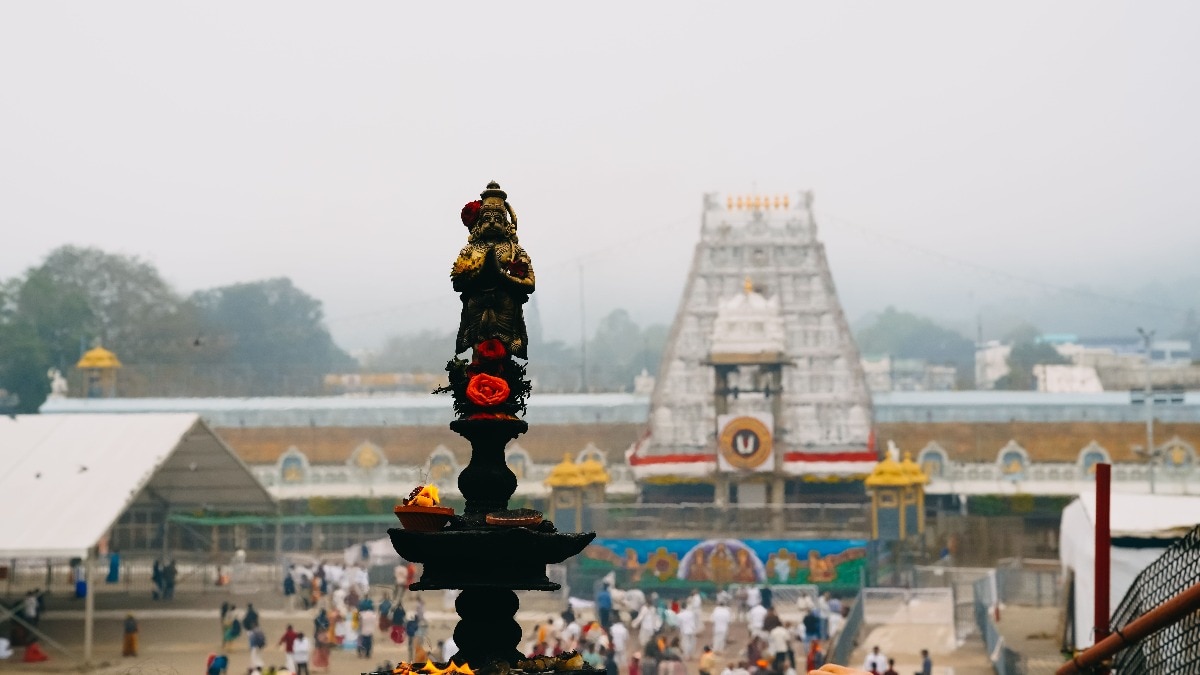
Karnataka Chief Minister D.K. Shivakumar unveiled a new protocol that authorises state officials to perform the first aarti at Tirumala Venkateswara Temple when the designated officer is unavailable. The move honors Karnataka's historic patronage of the shrine while enhancing political representation in a sacred ceremony.
Key Takeaways
- Karnataka issues a formal protocol for officials to lead the first aarti at Tirupati.
- If the Special Officer is absent, ministers, MLAs or senior officials may perform the ritual.
- The decision reinforces historic Karnataka‑Tirupati religious ties.
Karnataka Chief Minister D.K. Shivakumar announced on Monday that the state will introduce a formal protocol governing Karnataka's official representation during the first aarti at the Tirumala Venkateswara Temple in Tirupati. Under the new guidelines, any authorised representative—be it a minister, MLA, chairman, senior bureaucrat or judge—may conduct the ceremonial aarti when the appointed Special Officer cannot attend.
Historical Context
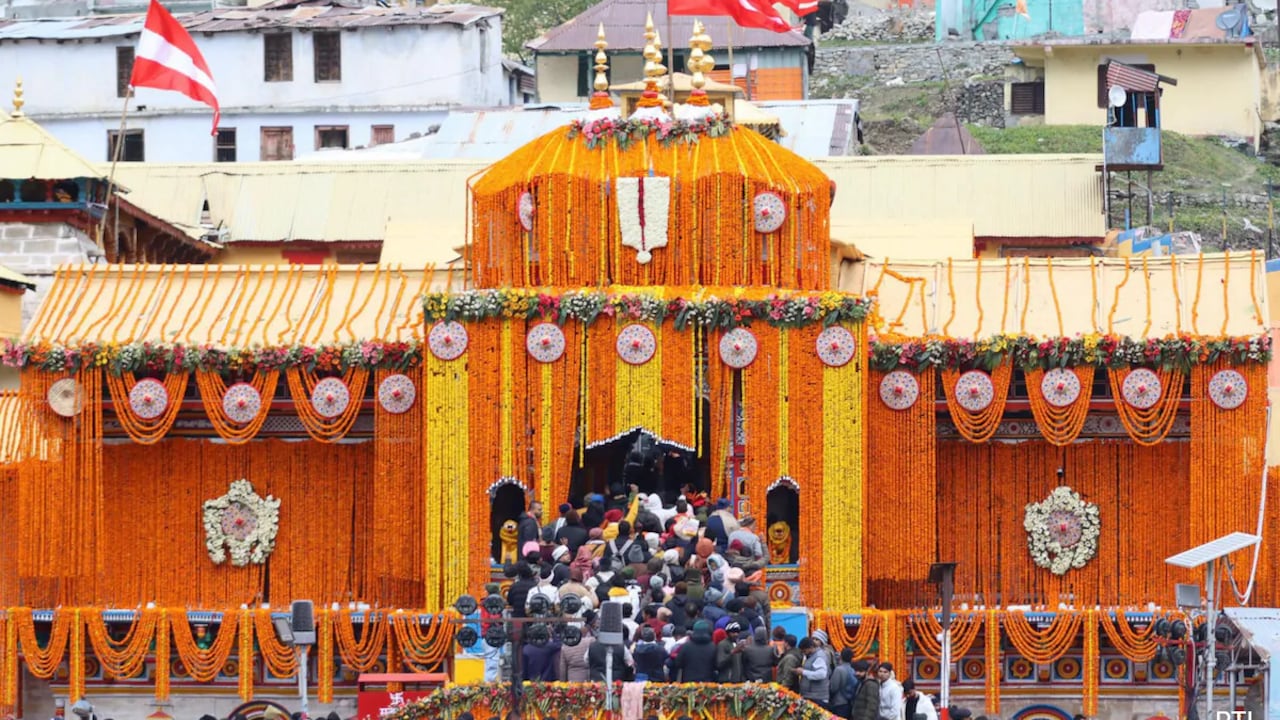
The Tirumala Venkateswara Temple, one of the world’s wealthiest and most visited Hindu shrines, has long honored Karnataka by offering the day’s first aarti in its name. This tradition dates back to centuries of patronage by Karnataka‑based dynasties, which funded temple expansions and land grants. Yet, many Karnataka legislators visiting the shrine have only taken darshan, missing the chance to partake in the ritual service.
How the New Protocol Operates
The government pledged to issue an order on Tuesday detailing the procedural framework. The order will specify that, in the Special Officer’s absence, any officially registered representative of the state may step in. This ensures that the ceremonial honour is not limited to a single individual but is accessible to a broader spectrum of Karnataka’s political and judicial leadership.
Political and Social Implications
Shivakumar emphasized, “Just as politicians serve society, government officials should also have the opportunity to serve in this sacred honour.” By formalising participation, the protocol not only elevates Karnataka’s cultural pride but also signals a collaborative stance between state governance and religious tradition. Analysts predict the move could strengthen Karnataka’s identity on the national stage and foster goodwill between state and central authorities.
Future Prospects
Located roughly 250 kilometres from Bengaluru, Tirupati remains a pilgrimage hub for countless Karnataka devotees. If the protocol proves effective, other Indian states may adopt similar measures to honour their historic ties with major temples, potentially setting a precedent for integrating political representation with religious customs across the country.