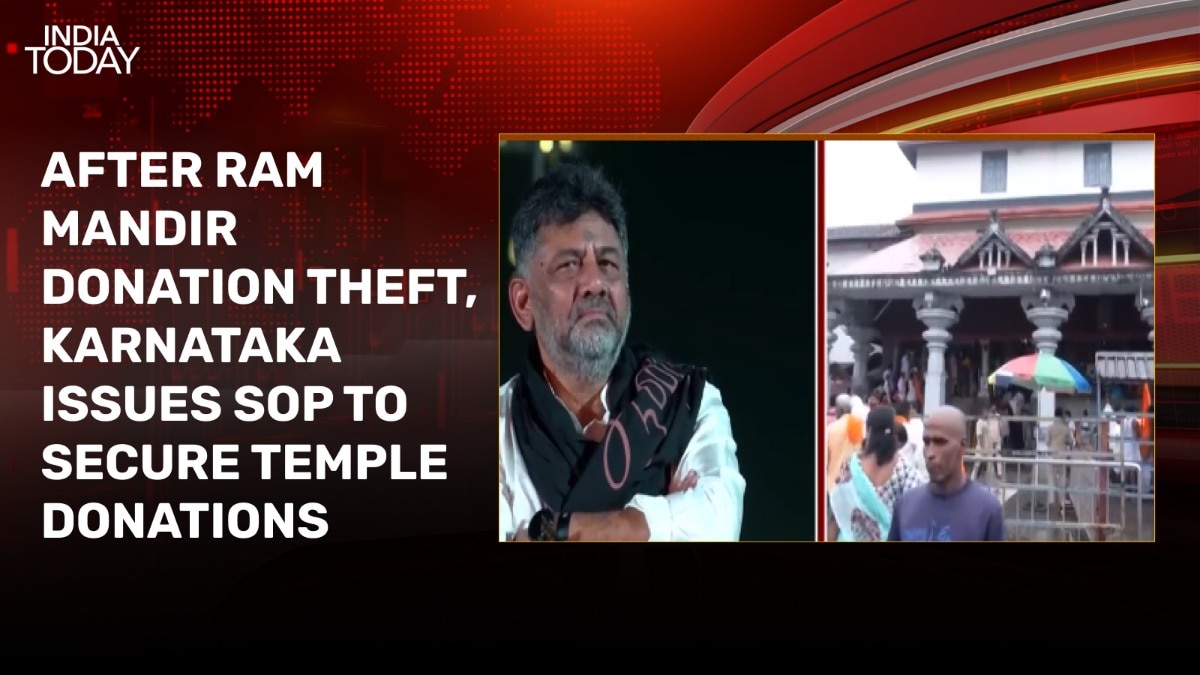
Karnataka has issued new guidelines requiring CCTV surveillance and QR‑code based donation tracking in major temples. The move aims to enhance transparency, curb misuse of charitable contributions, and restore devotees' confidence.
मुख्य बिंदु (Key Takeaways)
- Karnataka mandates CCTV cameras and QR codes in all major temples.
- Targeting over ₹2 crore daily donations for greater security and transparency.
- Institutions given six months to comply with the new regulation.
The Karnataka government released a sweeping notification last week that obliges every major temple in the state to install high‑definition CCTV cameras and adopt a QR‑code system for every donation received. The initiative is positioned as a decisive step to curb alleged misuse of temple funds and rebuild public trust.
Background
In recent years, several high‑profile controversies have surfaced around the handling of donations in Karnataka’s temples. Media investigations suggested that some institutions either concealed or misappropriated charitable contributions, sparking public outcry. In response, the state’s Department of Social Welfare proposed leveraging digital technology to bring accountability to religious philanthropy.
The New Directive
Under the new directive, all major temples across Karnataka must install a minimum of two high‑resolution CCTV cameras and generate a unique QR code for each donation. Devotees can scan the code at the point of giving to receive an instant digital receipt that logs the donor’s name (if provided), amount, and timestamp. The government has allotted a six‑month window for full implementation.
Implications and Challenges
From an administrative perspective, the policy promises several benefits. First, real‑time monitoring will enable swift detection of any irregularities. Second, digital receipts simplify the process for donors to claim tax deductions. Third, temple management will gain precise data for financial planning and auditing. However, smaller shrines may face hurdles related to infrastructure costs, technical expertise, and ongoing maintenance. The state has pledged financial assistance to help these institutions meet the compliance requirements.
Expert Opinions
Religious‑technology analyst Dr. Ajay Patel remarked, “Integrating technology into religious institutions can dramatically improve financial transparency and restore devotees’ faith.” Conversely, social activist Samira Shetty** warned that the success of the scheme hinges on vigilant oversight by local authorities to prevent any misuse of the surveillance tools.