The Odisha government has deployed nearly 12,000 police personnel, 19 senior IPS officers and over 100 senior administrators for this year’s Puri Rath Yatra, learning from last year’s chaos. With more than three million devotees expected, evacuation corridors, 500 CCTV cameras, mobile hospitals and 300 special trains are in place to ensure a smooth pilgrimage.
Key Takeaways
- Nearly 12,000 police personnel and 19 senior IPS officers deployed
- Over three million devotees expected with enhanced safety measures
- Security plan revamped after last year’s crowd‑control failures
The annual Jagannath Rath Yatra, one of India’s largest religious gatherings, will commence in Puri on July 16 for nine days. After a stampede‑like incident outside the Gundicha Temple last year that claimed three lives, the state government has mounted its most extensive security operation to date, involving roughly 12,000 police officers, 19 senior IPS cadres and more than 100 senior administrative officials.
Historical and Cultural Context
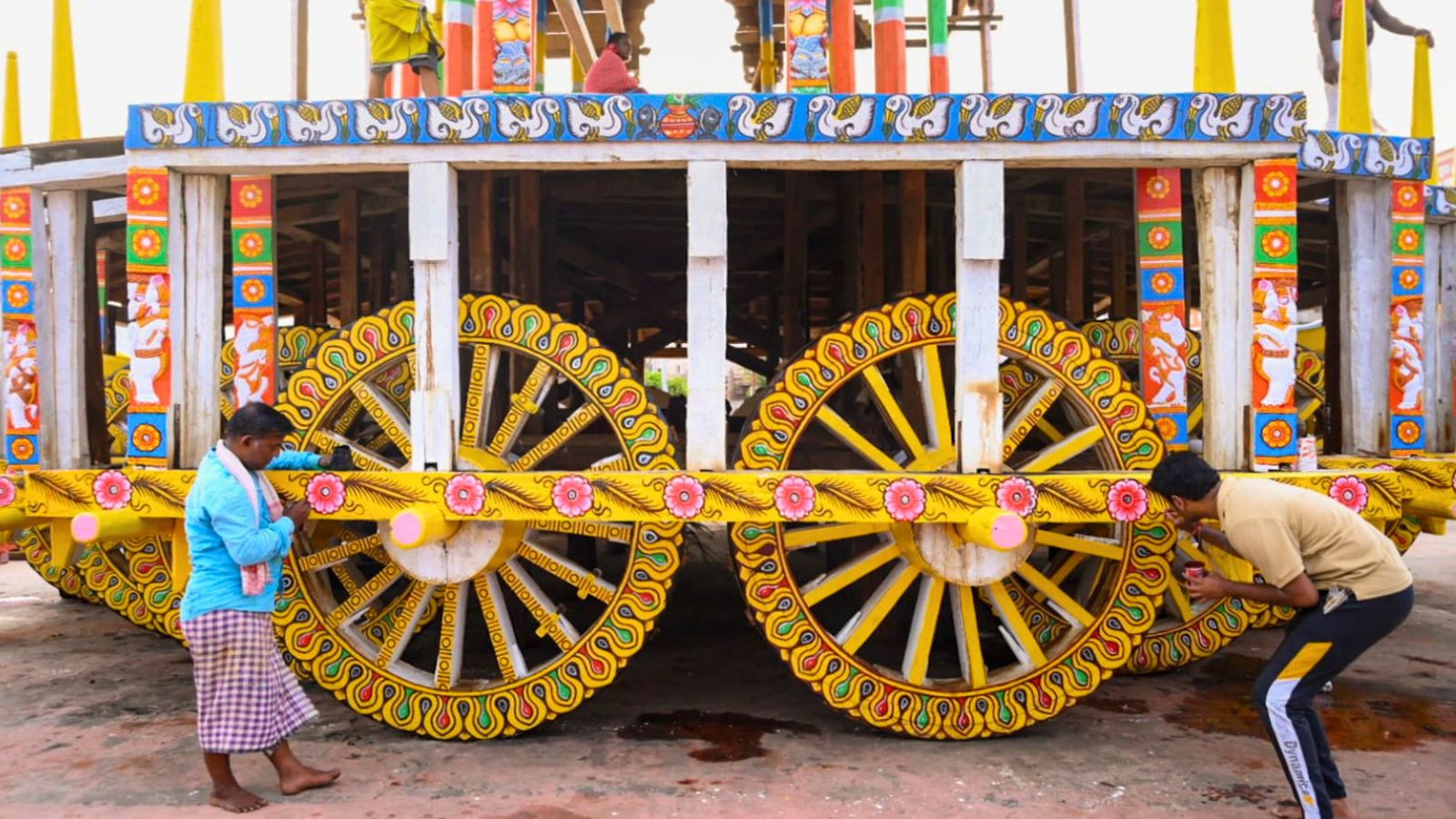
Rooted in the 12th‑century Jagannath Temple, the Rath Yatra sees Lord Jagannath, his brother Balabhadra and sister Subhadra travel from the main shrine to their birthplace, the Gundicha Temple, over a distance of about 3 km. Millions of devotees pull the three massive, ornately‑decorated chariots along the Bada Danda (Grand Road). Last year’s delay—when the Nandighosh chariot barely moved—exposed glaring gaps in crowd‑control and communication, prompting a complete overhaul of security protocols.
New Security Measures
Key initiatives include the installation of 500 CCTV cameras, 65 LED screens broadcasting real‑time updates, and more than 1,700 bio‑toilets maintained by volunteers. Eight temporary hospitals staffed with medical teams, 300 special Indian Railways trains, and dedicated evacuation corridors for emergencies have also been arranged. Special provisions for women, senior citizens, and differently‑abled pilgrims ensure inclusive safety. Additionally, personnel from the Indian Navy and Coast Guard supplement the police and central forces for crowd management.
Implications and Future Outlook
If the operation proceeds without incident, it could set a precedent for handling massive religious festivals across India. The integration of technology, inter‑departmental coordination, and community participation may become a template for other states grappling with large‑scale pilgrimages. Successful execution will not only protect devotees but also boost confidence among tourists and reinforce Odisha’s reputation as a well‑prepared host of major cultural events.