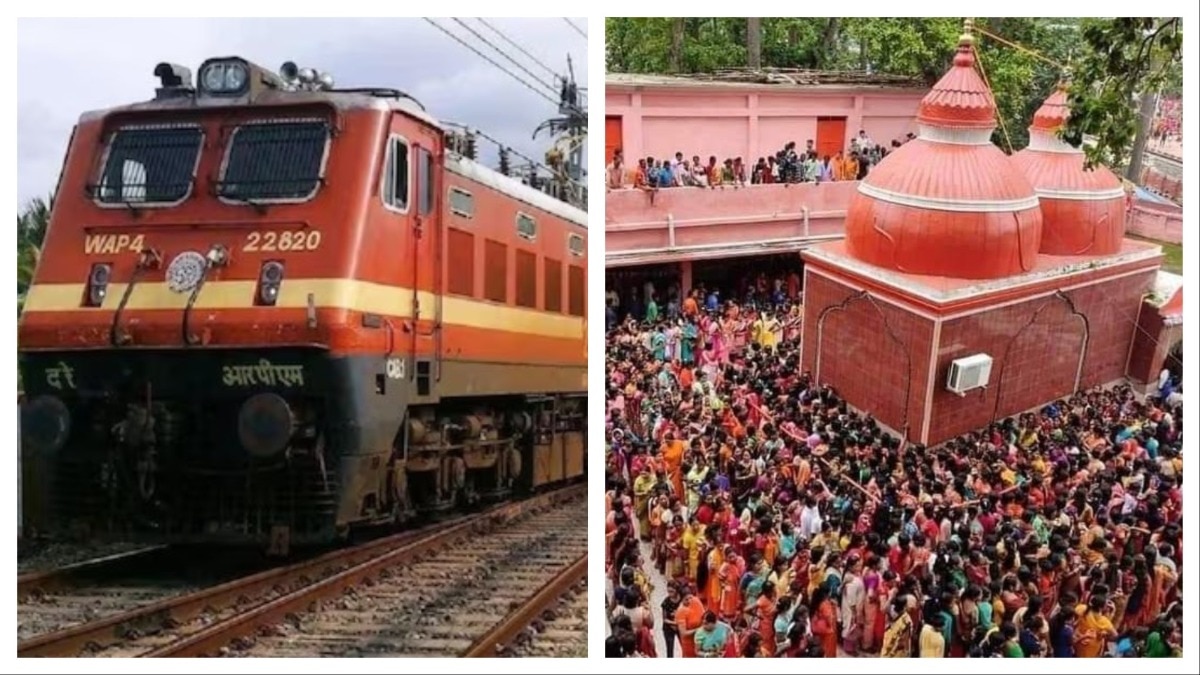
From July 30 to August 28, 2026, South Eastern Railway will halt 22 train pairs for two minutes at Mahadevshal station, enabling pilgrims from five states to reach the holy shrine more conveniently.
Key Takeaways
- 22 train pairs (44 trains) will receive a two‑minute temporary halt at Mahadevshal station from July 30 to August 28.
- Pilgrims from Jharkhand, Odisha, West Bengal, Bihar and Chhattisgarh will have direct rail access to Baba Mahadevshal Dham.
- Temporary ticket counters, drinking water, lighting, sanitation and security measures will be enhanced for the fair period.
South Eastern Railway has announced a comprehensive travel plan for this year’s Shravani Mela, adding special train halts at Mahadevshal Railway Station to accommodate the massive influx of devotees. Between July 30 and August 28, 2026, a total of 22 train pairs—11 Express services and 11 MEMU services—will stop for two minutes, allowing pilgrims to alight directly at the station nearest to the shrine.
Historical Context and This Year’s Highlights
Baba Mahadevshal Dham, nestled in the Saranda forests of West Singhbhum, Jharkhand, attracts thousands of Shiva devotees each Shravan for Jalabhishek and prayers. While earlier years saw ad‑hoc arrangements, this year’s deployment of 44 special trains marks a record‑breaking effort. Notable trains include the Danapur‑Durg Express, Howrah‑Titlagarh Ispat Express, Puri‑Yog Nagari Rishikesh Express, Tatanagar‑Ernakulam Express, and several MEMU services that will commence temporary halts from August 1 onward.
Passenger Amenities and Security Measures
To manage the expected surge, the railway has set up temporary ticket booking counters, purified drinking water stations, upgraded lighting, improved sanitation facilities, and reinforced security personnel at Mahadevshal station. Aditya Chaudhary, Public Relations Officer and Senior Divisional Commercial Manager of the Chakradharpur Division, emphasized that staff from the Commercial Department, Railway Protection Force (RPF) and other wings will be on‑site throughout the fair to assist travelers and ensure smooth operations.
Broader Implications
The enhanced connectivity is projected to cut travel time dramatically, encouraging more pilgrims from Jharkhand, Odisha, West Bengal, Bihar and Chhattisgarh to visit the shrine without relying on secondary transport. Economically, the influx is likely to benefit local vendors, hospitality providers, and ancillary services, turning the event into a catalyst for regional growth.
In the long run, this model could serve as a template for other pilgrimage sites across India, illustrating how coordinated rail logistics can transform seasonal religious gatherings into well‑managed, safe, and environmentally friendly experiences.