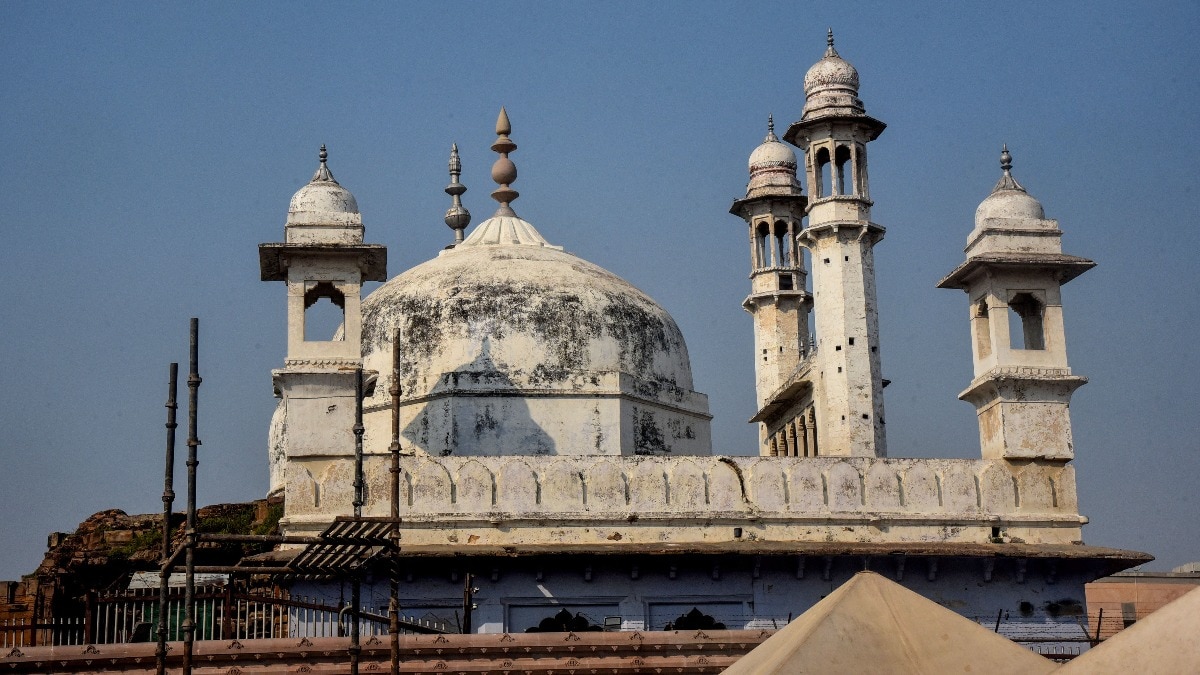
In the long‑standing Gyanvapi religious‑site clash, Hindu and Muslim parties have turned down mediation and called for a judicial resolution. The move under the Supreme Court's SAMADHAN SAMAROH initiative pushes the case into the courtroom arena.
Key Takeaways
- Both Hindu and Muslim parties reject mediation
- Case will be decided by the courts under Supreme Court’s SAMADHAN SAMAROH
- Historical background and potential socio‑political impact of the Gyanvapi dispute
Varanasi’s sacred Gyanvapi mosque‑temple complex has taken another turn as representatives of the Hindu and Muslim claimants appeared before a Varanasi court‑mediated centre on Tuesday and unequivocally refused to engage in the mediation process. Both sides insisted that the dispute be settled through a formal judicial ruling.
Supreme Court’s SAMADHAN SAMAROH Initiative
The refusal comes under the Supreme Court’s "Supreme Court Action for Mediated Adjudication and Disputes Harmonisation Across Nation" (SAMADHAN SAMAROH) programme. The scheme aims to encourage out‑of‑court settlements of pending religious‑site litigations before a special Lok Adalat scheduled for 21‑23 August. However, in the Gyanvapi case – alongside the Sri Krishna Janmabhoomi‑Shahi Eidgah (Mathura) and Sambhal Shahi Jama Masjid disputes – the parties have signalled a clear preference for judicial adjudication.
Historical Context
The crux of the Gyanvapi conflict lies in competing narratives dating back to the Mughal era. The Hindu claim asserts that a historic Jyotirlinga temple once stood on the site, which was demolished and replaced by a mosque under Emperor Akbar’s orders. The Muslim side maintains that the structure is a legitimate waqf property, rejecting any notion of illegal occupation. This divergent interpretation of history has fueled communal tension for decades.
Legal Stance of the Parties
Hindu counsel Madan Mohan Yadav told reporters that the Muslim side had declined mediation, stating, “Several similar matters are pending before the Supreme Court and they will abide by the court’s verdict. They are not willing to accept mediation.” He added that the Hindu side also conveyed its position, demanding that the Muslim occupants vacate the premises so a grand Kashi Vishwanath temple can be reconstructed at the original site.
Implications of a Court Verdict
A judgment favoring the Hindu claim could pave the way for a large‑scale temple reconstruction, potentially reigniting communal sensitivities across the nation. Conversely, upholding the Muslim waqf claim would reinforce legal protections for existing religious properties and set a precedent for similar disputes. In either scenario, the government will need to manage community relations carefully to maintain peace.