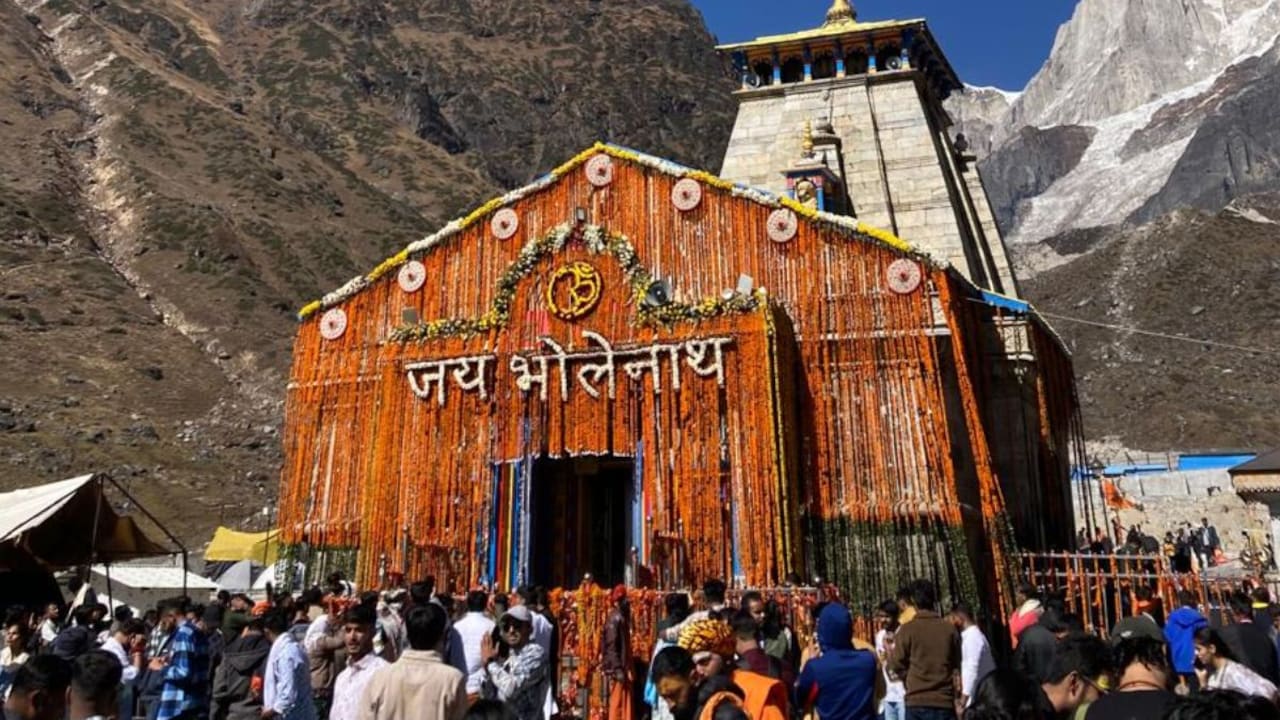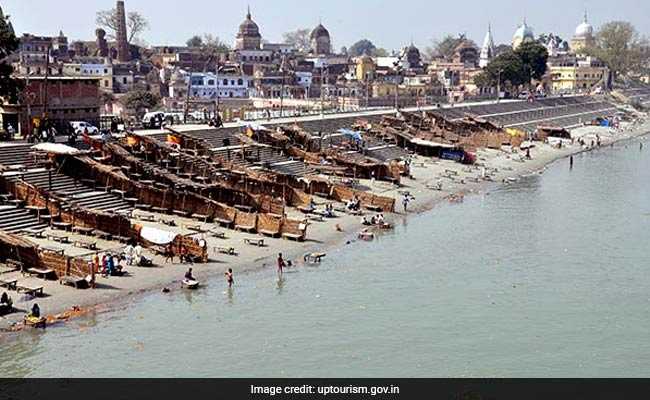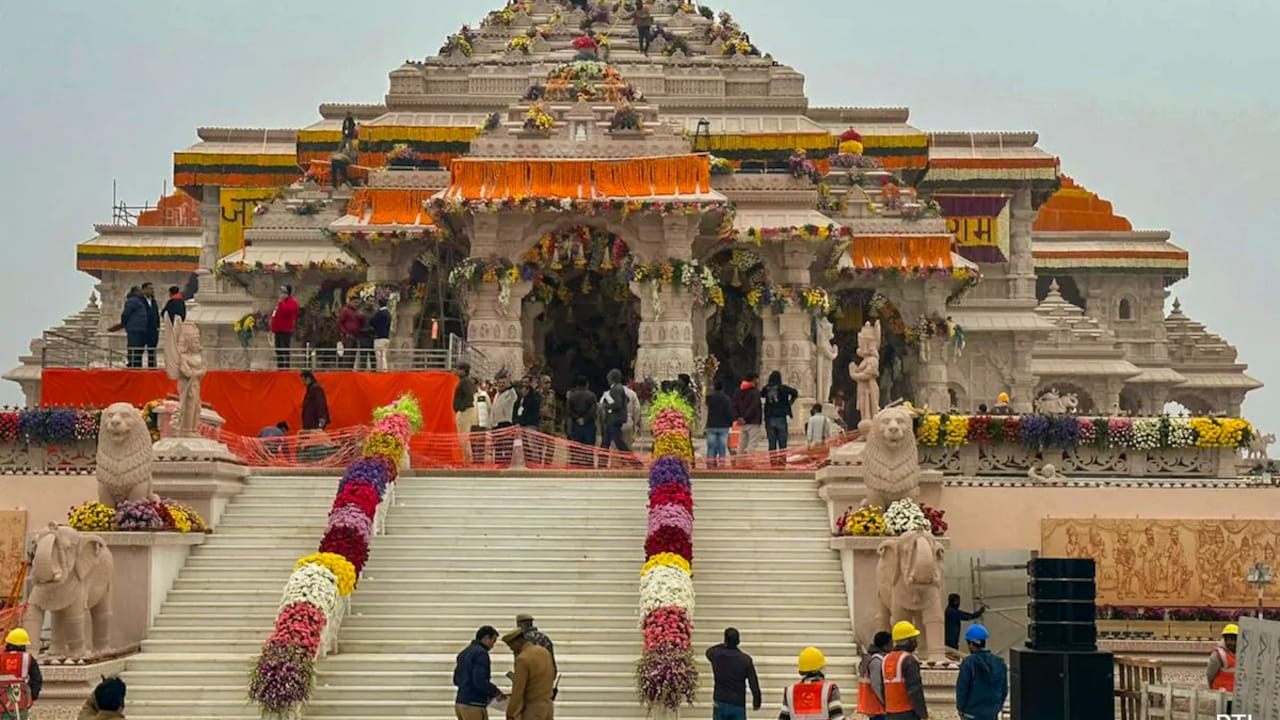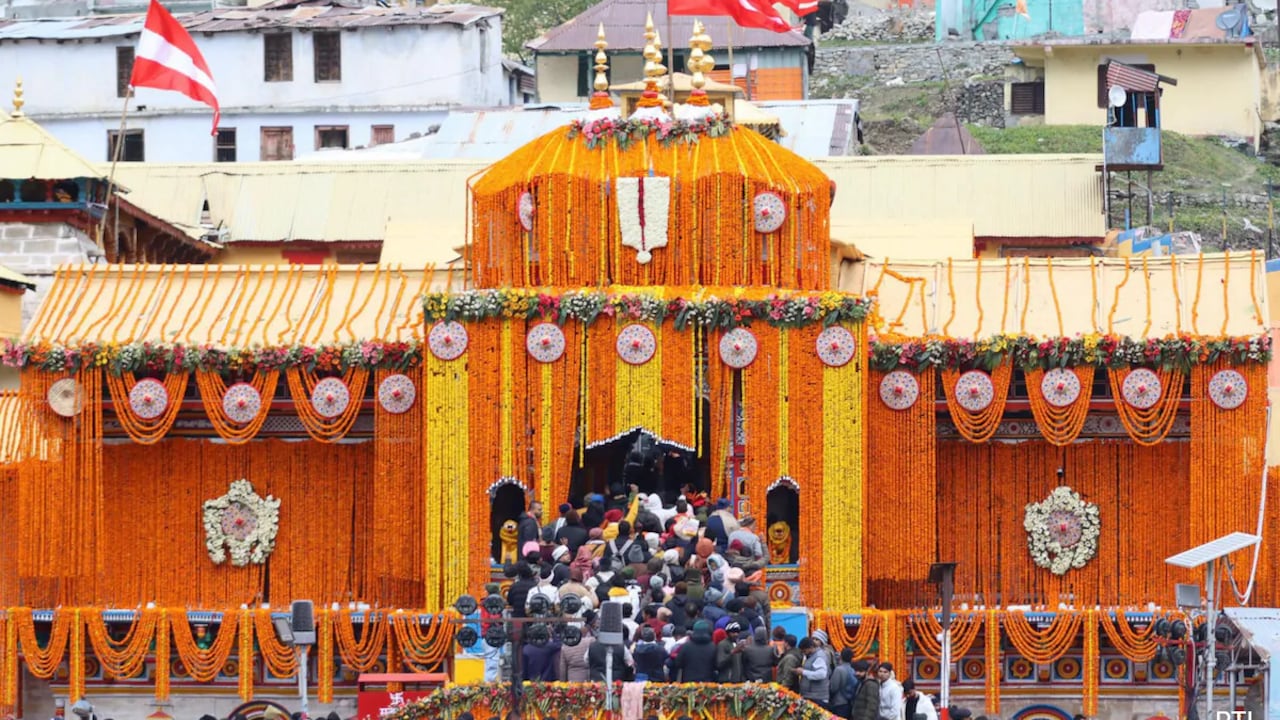
IRCTC has unveiled a 12‑day pilgrimage tour from Gorakhpur to South India’s major shrines such as Tirupati, Rameshwaram, Madurai, Kanyakumari and Mallikarjuna, offering AC and sleeper options with vegetarian meals. Travelers can secure a seat with an easy ₹828 EMI, making spiritual travel more affordable.
Key Takeaways
- 12‑day South India pilgrimage covering multiple sacred temples
- Choice of Sleeper, 3‑AC and 2‑AC classes with vegetarian meals
- Easy ₹828 EMI option, departing from Gorakhpur
Package Overview
Indian Railways Catering and Tourism Corporation (IRCTC) has introduced a special 11‑night, 12‑day pilgrimage circuit that departs from Gorakhpur railway station on the India Gaurav Tourist Train. The itinerary includes the revered Tirupati Balaji, Ramanathaswamy Temple at Rameshwaram, Meenakshi Temple in Madurai, the coastal tip of Kanyakumari and the Mallikarjuna Jyotirlinga at Srisailam. The tour runs from 31 July to 11 August 2026, allowing devotees to experience these sanctified sites during the pleasant post‑monsoon season.
Class Options and In‑train Amenities
Three fare categories are available: Economy (Sleeper) at ₹23,560 per person, Standard (3‑AC) at ₹39,100, and Comfort (2‑AC) at ₹51,760. All packages include breakfast, lunch and dinner – all vegetarian – as well as local sightseeing via AC or non‑AC buses. Boarding and de‑boarding facilities are provided at major junctions such as Gorakhpur, Manakpur, Ayodhya Cantt, Sultanpur, Prayagraj Sangam, Lucknow, Kanpur Central, and Jhansi, ensuring seamless travel across the route.
EMI Facility and Booking Procedure
To make the pilgrimage financially accessible, IRCTC offers an easy monthly instalment plan of just ₹828. Interested pilgrims can register at the IRCTC regional office in Lucknow’s Tourism Building, Gomti Nagar, or book online through the official portal www.irctctourism.com. Dedicated helpline numbers are also listed for personalized assistance.
Historical and Socio‑Cultural Significance
The selected destinations are not only spiritual hubs but also pillars of India’s cultural heritage. Tirupati Balaji attracts over 30 million devotees annually, while Ramanathaswamy’s sprawling corridors symbolize Dravidian Shaivism. By bundling these sites into a rail‑based package, IRCTC is democratizing pilgrimage, enabling the middle class to undertake journeys that were previously cost‑prohibitive.
Future Outlook
If IRCTC replicates this model across other circuits—such as the four northern Jyotirlingas or the western pilgrimage trail—both its revenue streams and societal impact could see a substantial uplift. The initiative also positions Indian Railways as a competitive alternative to private tour operators, maximizing utilization of the nation’s rail infrastructure while fostering inclusive tourism.