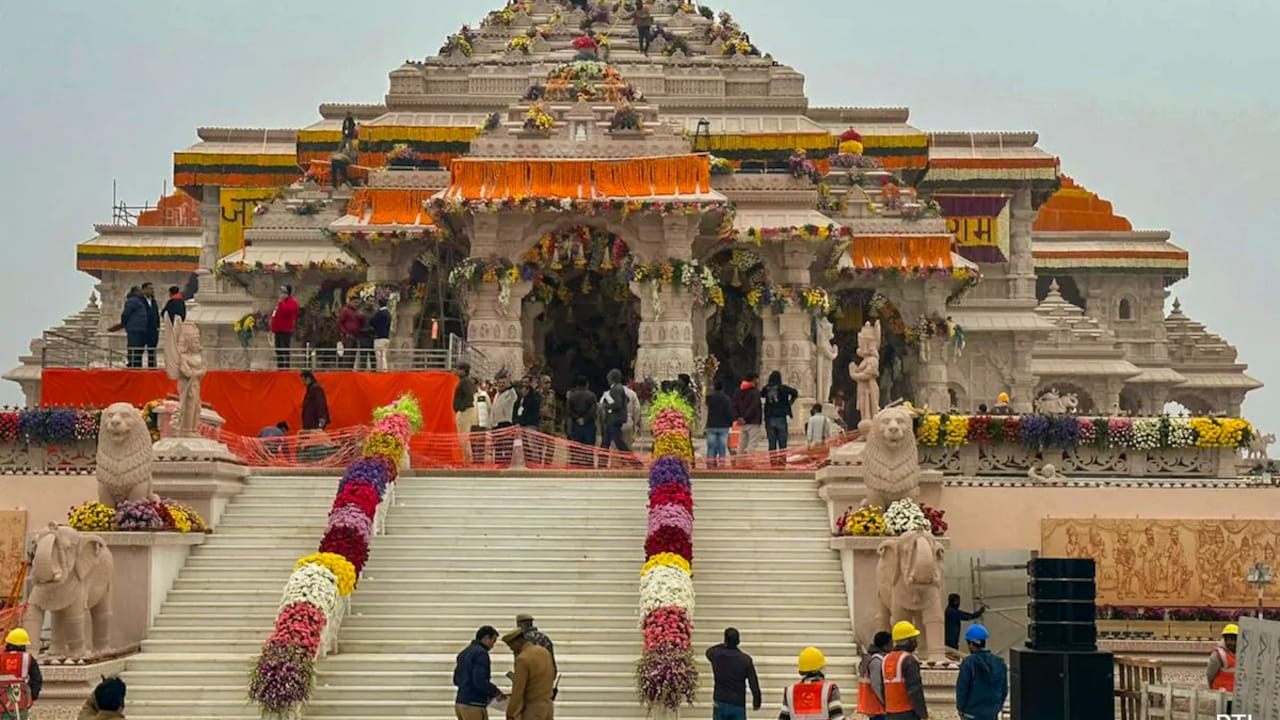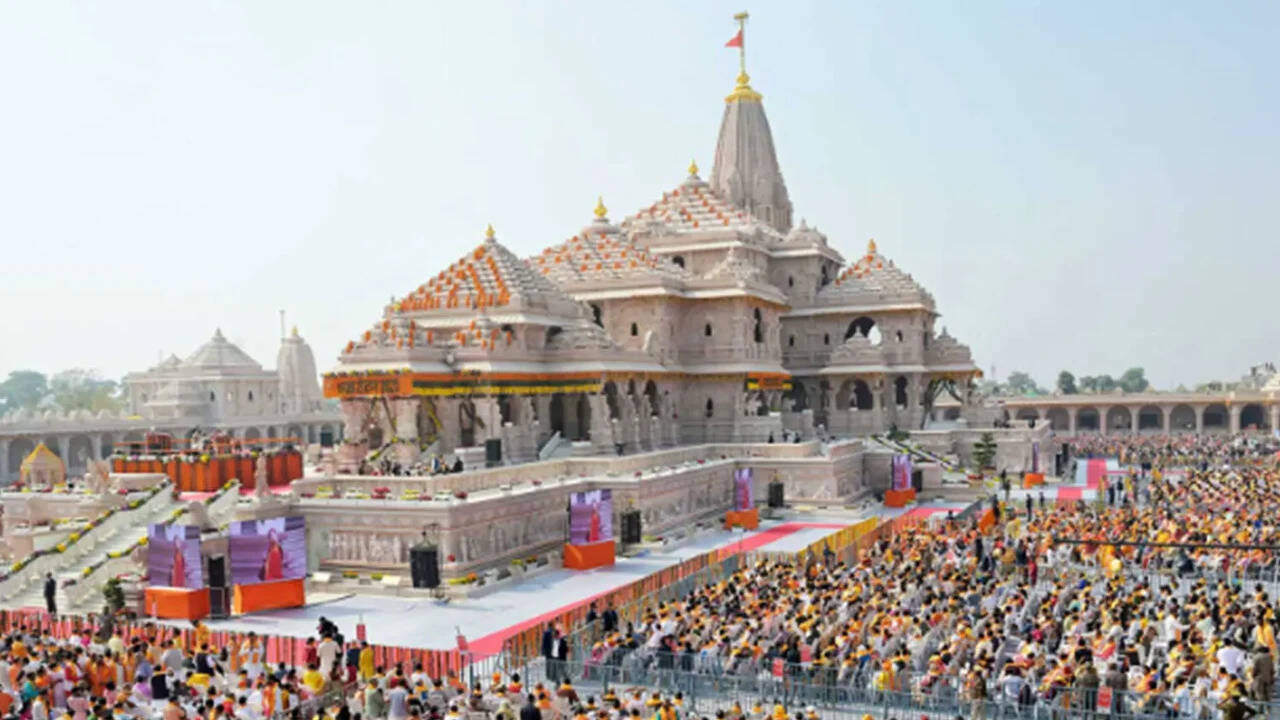
The Shri Ram Janmabhoomi Teerth Kshetra Trust in Ayodhya has opened applications for its inaugural Chief Executive Officer, demanding a practising Hindu aged 50‑70 with at least two decades of senior management experience. The move follows a scandal involving alleged theft of temple donations by cash‑counting agents.
Key Takeaways
- Ram Mandir Trust seeks its first CEO to professionalise temple management.
- Applicants must be 50‑70 years old, practising Hindu and a devotee of Lord Ram.
- Minimum 20 years of experience in administration, finance, IT, security and legal affairs is required.
The Shri Ram Janmabhoomi Teerth Kshetra Trust, which oversees the iconic Ram Temple in Ayodhya, announced on July 14 that it is accepting applications for its first Chief Executive Officer (CEO). The decision comes a month after cash‑counting agents were accused of pilfering donations, prompting the board to tighten governance and bring in professional expertise.
Eligibility Criteria Defined
According to the official notification, candidates must be between 50 and 70 years of age, hold a graduate degree, and be "an actively practising Hindu." Belonging to the Vaishnava tradition as a Ram devotee is listed as a favorable attribute. The appointment will be for a three‑year term, with the last date for submission set for July 18.
Required Managerial Experience
Applicants are expected to possess at least 20 years of senior‑level management experience in a large public organization, government department, or corporate entity. The role demands cross‑functional expertise covering administration, finance, human resources, public relations, information technology, security and legal affairs. Preference will be given to those who have served as chief administrative officers or have managed a temple or other Hindu religious institution.
Context of the Recent Scandal
During a meeting on July 6, six cash‑counting agents were arrested on suspicion of stealing cash, ornaments and other valuables from the donation boxes (hundis). The same meeting accepted the resignations of former General Secretary Champat Rai and senior trust member Anil Mishra, while appointing retired IFS officer Krishna Mohan as interim General Secretary. A three‑member search panel—comprising a retired High Court judge, a former LG and a former nuclear scientist—was also constituted to oversee the recruitment.
Implications for Temple Governance
The new CEO will be tasked with drafting standard operating procedures, establishing robust systems, and ensuring all actions comply with the original trust deed. By reporting directly to the General Secretary and working independently under the trust’s supervision, the CEO is expected to bring transparency, safeguard donor contributions, and streamline daily operations. Analysts suggest that a successful appointment could set a precedent for professionalizing the administration of other major religious sites across India.