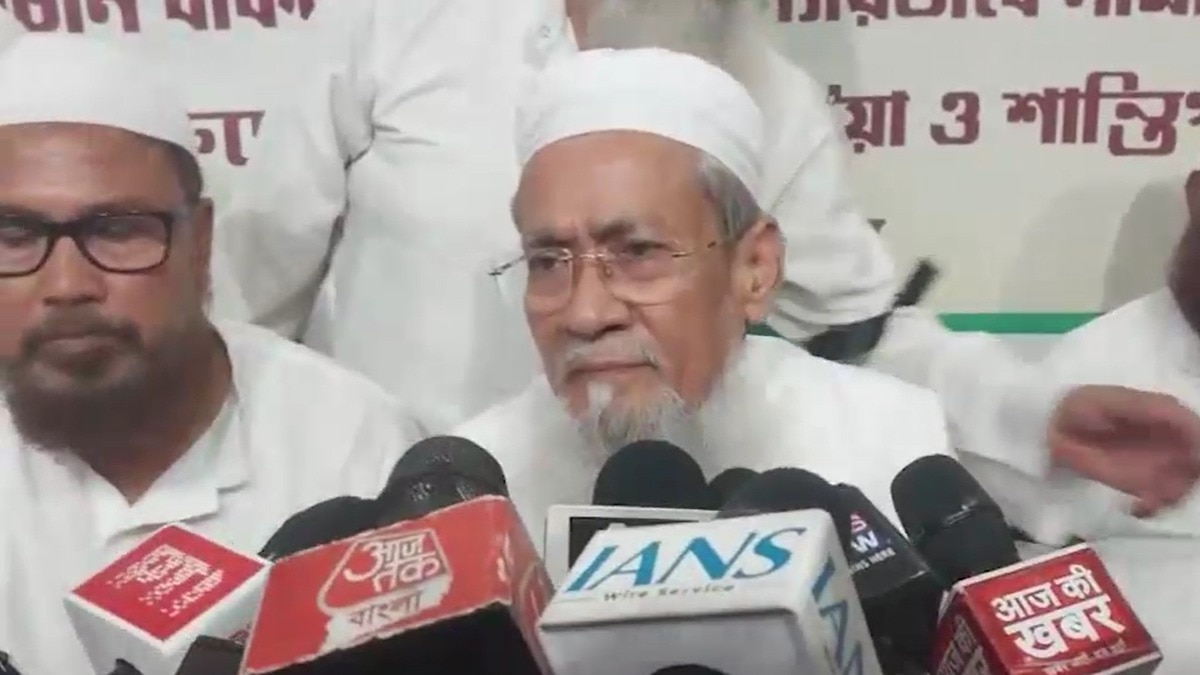
The chief of Jamiat has announced plans to perform Namaz at the Kolkata International Airport mosque, warning of a potential peaceful protest. The move could ignite new discussions on religious expression and public order in India.
Key Takeaways
- Jamiat chief plans to lead a congregational Namaz at Kolkata airport mosque.
- He warns of a possible peaceful protest, prompting heightened security measures.
- The incident highlights the need for dialogue between religious bodies and local authorities.
Jamiat chief Mr. Ali Ahmed announced that he will lead a collective Namaz this Sunday at the mosque situated within Kolkata International Airport. The decision comes amid growing calls from his followers for a visible religious presence at a high‑traffic hub, and it also serves as a signal that any dissent will be expressed peacefully.
Background
The airport mosque, inaugurated in 2015, serves both travelers and the local Muslim community, offering a rare space for worship inside a major transportation node. Jamiat‑ul‑Muwahideen, one of India’s most influential Islamic organisations, has historically taken an active stance on social issues, often organising large‑scale prayers to assert communal identity. Such gatherings invariably draw the attention of law‑enforcement agencies, especially when they anticipate large crowds.
Potential for Peaceful Protest
The chief’s warning stems from a series of recent incidents that have heightened religious sensitivities across the country—ranging from vandalism of mosques to inflammatory social‑media campaigns. Security analysts suggest that without proactive engagement from airport authorities, the protest could evolve beyond a mere demonstration, even if initially intended to remain peaceful. Accordingly, police have already bolstered security protocols, deploying additional personnel and erecting crowd‑control barriers.
Future Implications
If the Namaz proceeds without disruption, it could become a benchmark for harmonious religious expression in public infrastructure, encouraging similar events nationwide. Conversely, any clash or obstruction could erode trust between Muslim organisations and the state, potentially fueling further sectarian tension. The episode underscores the delicate balance India must maintain between upholding secular principles and accommodating the devotional needs of its diverse populace.