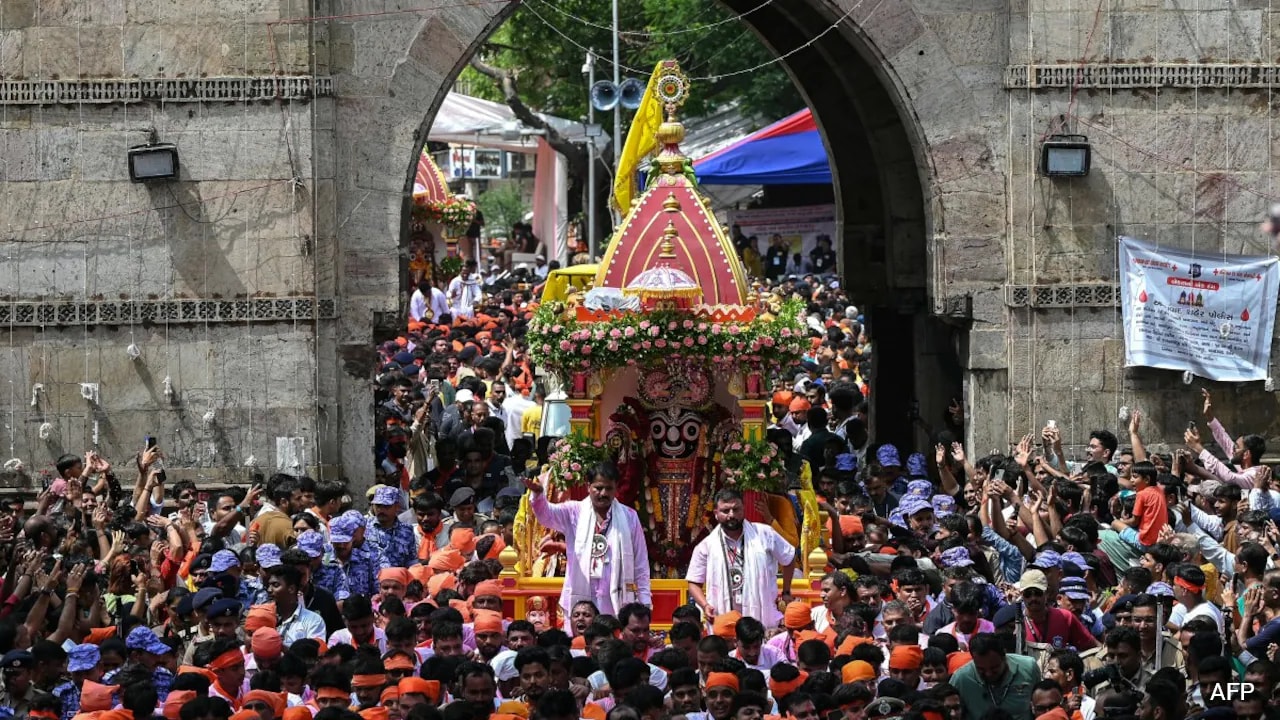
The Odisha administration confirmed the deaths of two devotees but stated no stampede or crush occurred during the Rath Yatra. This year the pilgrimage attracted roughly eight to nine lakh worshippers from around the globe.
Key Takeaways
- Official confirmation of two devotees' deaths
- Government denies any stampede or crush incident
- Rath Yatra attracted 8‑9 lakh participants worldwide
The annual Rath Yatra in Puri, Odisha, one of India's most massive religious gatherings, saw two devotees lose their lives, according to the state government. However, officials emphasized that the fatalities were not the result of a crowd crush or stampede, but rather due to individual health issues.
Historical and Cultural Significance
Dating back to the 12th‑century origins of the Jagannath Temple, the Rath Yatra traditionally involves pulling massive chariots that carry the deities. Over centuries, the festival has become a cultural cornerstone, drawing an estimated eight to nine lakh domestic and international pilgrims each year, and generating significant economic activity for the region.
Incident Reports and Government Response
Initial media speculation suggested a possible crowd‑related mishap. Subsequent investigations by police and the state disaster management unit clarified that the two deaths were unrelated to any mass movement. The administration promptly communicated these findings, reinforcing its commitment to transparency.
Enhanced Safety Measures
In response to the tragedy, Odisha authorities have bolstered security with additional police units, on‑site medical teams, and expanded emergency corridors along the procession route. Plans include a digital ticketing system, real‑time crowd‑monitoring technology, and a robust public‑awareness campaign on safety protocols.
Looking Ahead
While the loss of any life is mourned, the government's swift clarification and proactive safety upgrades signal a determined effort to protect devotees in future editions of the Rath Yatra. The episode underscores the critical need for professional crowd‑management strategies at large‑scale religious events.