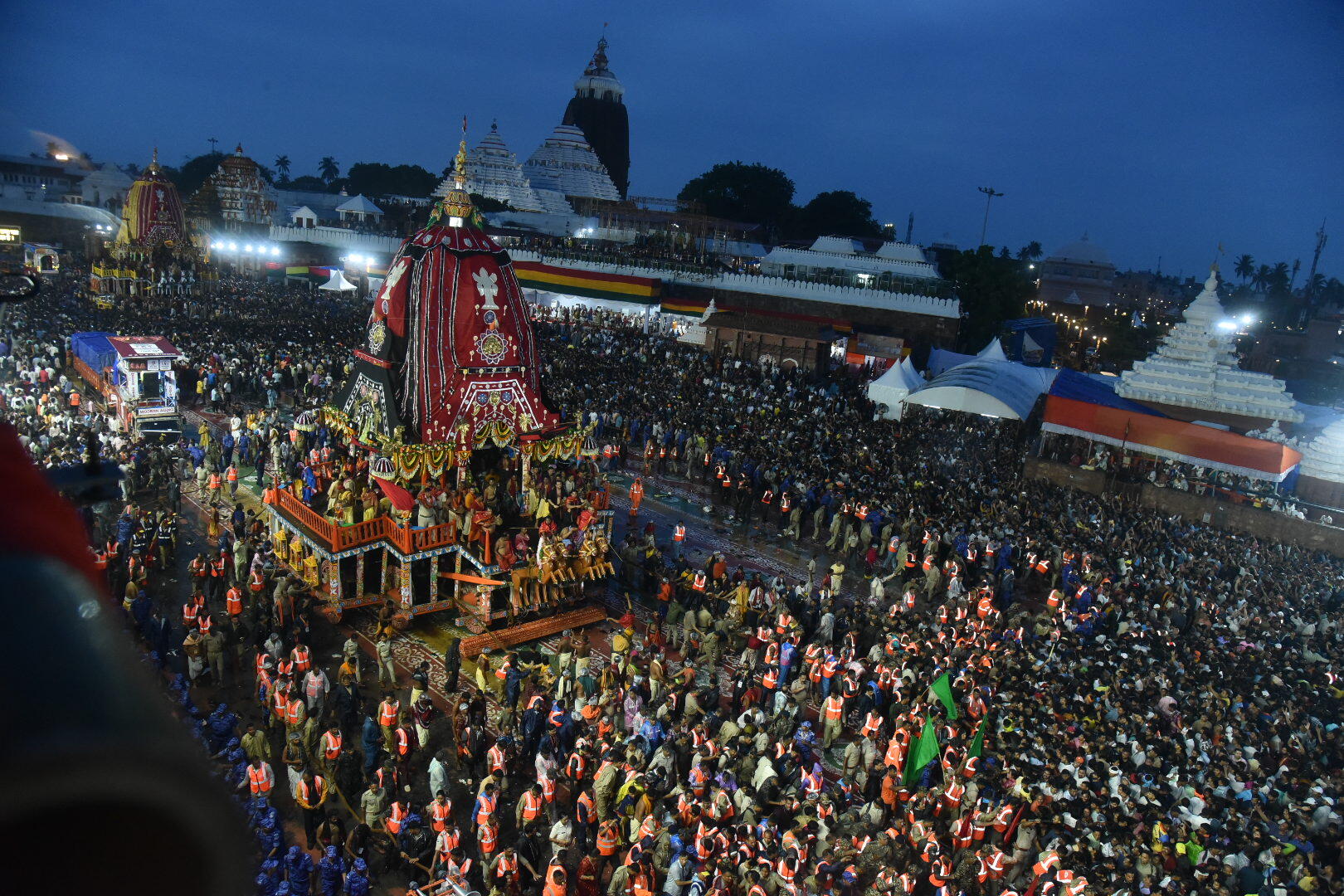
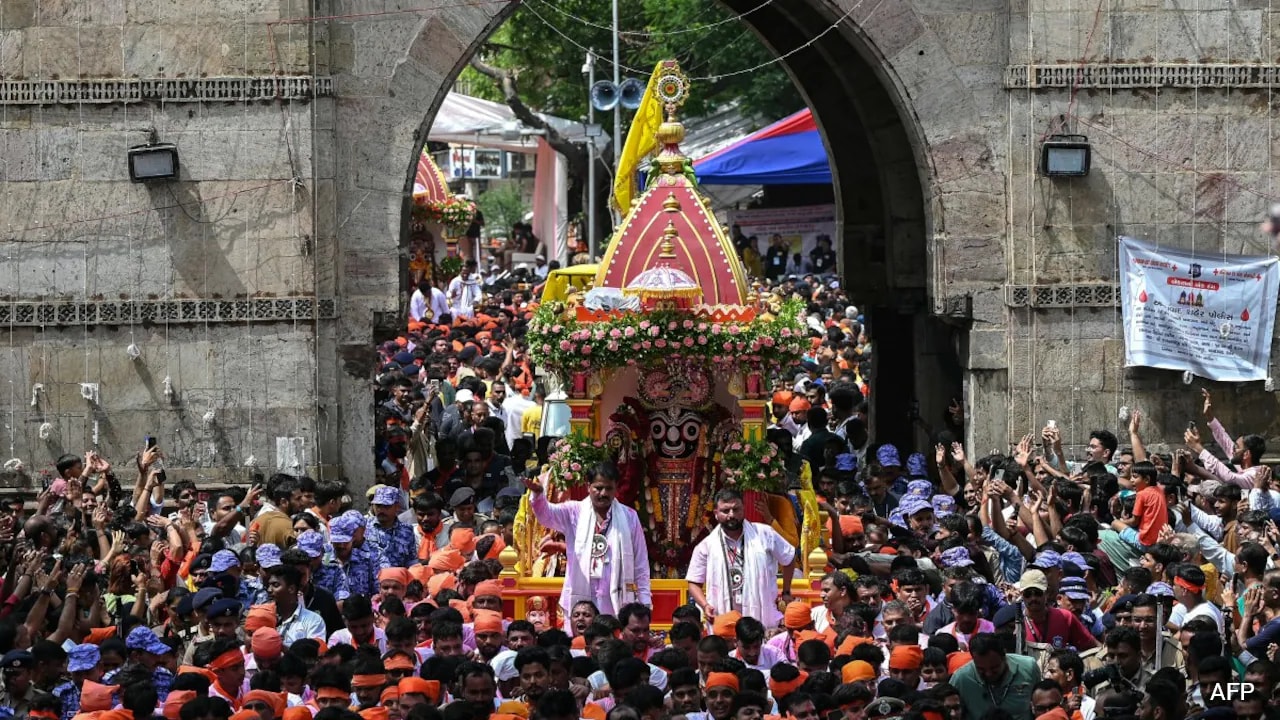
District Collector M. Abhishikth Kishore has mandated a comprehensive traffic management strategy for the Giri Pradakshina at Sri Varaha Lakshmi Narasimha Swamy temple, expecting lakhs of devotees. The plan outlines diversion routes, no‑vehicle zones, and dedicated emergency corridors to ensure safety and smooth flow.
मुख्य बिंदु (Key Takeaways)
- A 32 km traffic management plan will be implemented for the Giri Pradakshina
- Heavy vehicles will be diverted via Sabbavaram; cars and two‑wheelers will use the Asakapalli service road
- No‑vehicle zones will be active from 3 PM to midnight, with a dedicated ambulance corridor
Visakhapatnam, Andhra Pradesh – District Collector M. Abhishikth Kishore on Thursday directed officials to establish a foolproof traffic and diversion strategy for the Giri Pradakshina of the Sri Varaha Lakshmi Narasimha Swamy temple scheduled for July 28‑29. With lakhs of devotees expected, the event could strain the city’s existing traffic network, prompting a pre‑emptive, multi‑agency response.
Background and Significance
The Giri Pradakshina, a pilgrimage that occurs once every five years, is one of Andhra Pradesh’s most venerated religious processions. Past editions have witnessed crowd congestion and uncoordinated traffic, leading to safety concerns. Recognizing these challenges, the collector convened a second‑round review meeting to craft a synchronized plan that addresses both vehicular flow and pilgrim safety.
Detailed Route and Diversion Plans
Heavy trucks entering Visakhapatnam from Srikakulam and Vizianagaram will be rerouted toward Sabbavaram via the Anandapuram highway, diverting them away from the city core. Cars and two‑wheelers will access the city through the Asakapalli service road, passing via Sheela Nagar. Crucially, the stretch from Hanumanthawaka to Maddilapalem will be declared a no‑vehicle zone from 3 PM on July 28 until midnight, as will the segment from Kurupam Junction to Appughar on Beach Road. A dedicated corridor will remain open exclusively for ambulances.
Safety and Convenience Measures
The collector also instructed officials to consider declaring a holiday for schools on July 28 and to set up drinking water stations, bio‑toilets, medical camps, rest centres, and control rooms along the 32‑km route. These provisions aim to mitigate health risks and provide essential services to the massive gathering.
Stakeholders and Next Steps
Attendees at the meeting included GVMC Commissioner Ketan Garg, Joint Collector G. Vidyadhari, DCPs Mary Prashanthi and Manikanta, and temple Executive Officer J. Venkata Rao. They discussed timelines, media outreach, and social‑media campaigns to inform the public well in advance. Over the next two weeks, each department must finalize its responsibilities, ensuring seamless execution on the ground.