A fresh clash over the Ram Janmabhoomi trust intensifies as former petitioner Mahant Baba Dharmdas rejects any government takeover and insists on traditional sadhu management, while the Supreme Court is set to hear a petition for an independent probe into alleged financial irregularities on July 13.
Key Takeaways
- Mahant Baba Dharmdas refuses any government control over the Ram Janmabhoomi
- The Supreme Court will hear an independent financial probe on July 13
- Calls for traditional sadhu management of the trust are gaining momentum
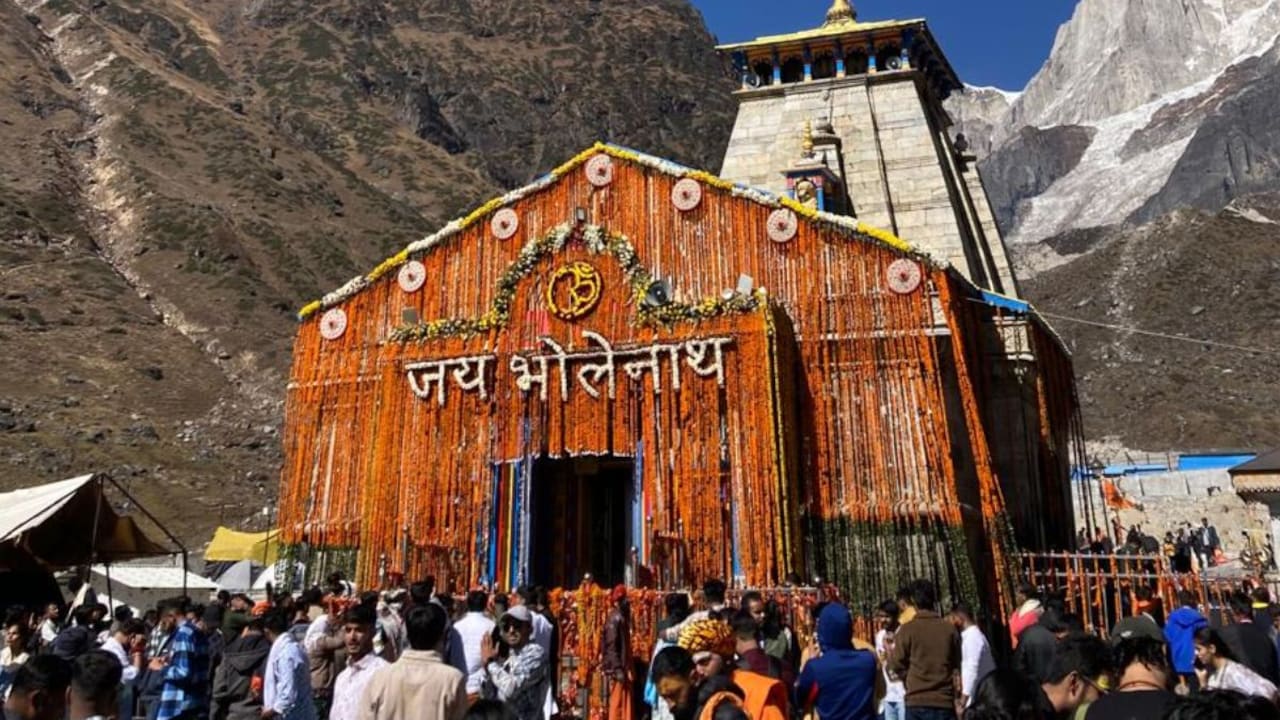
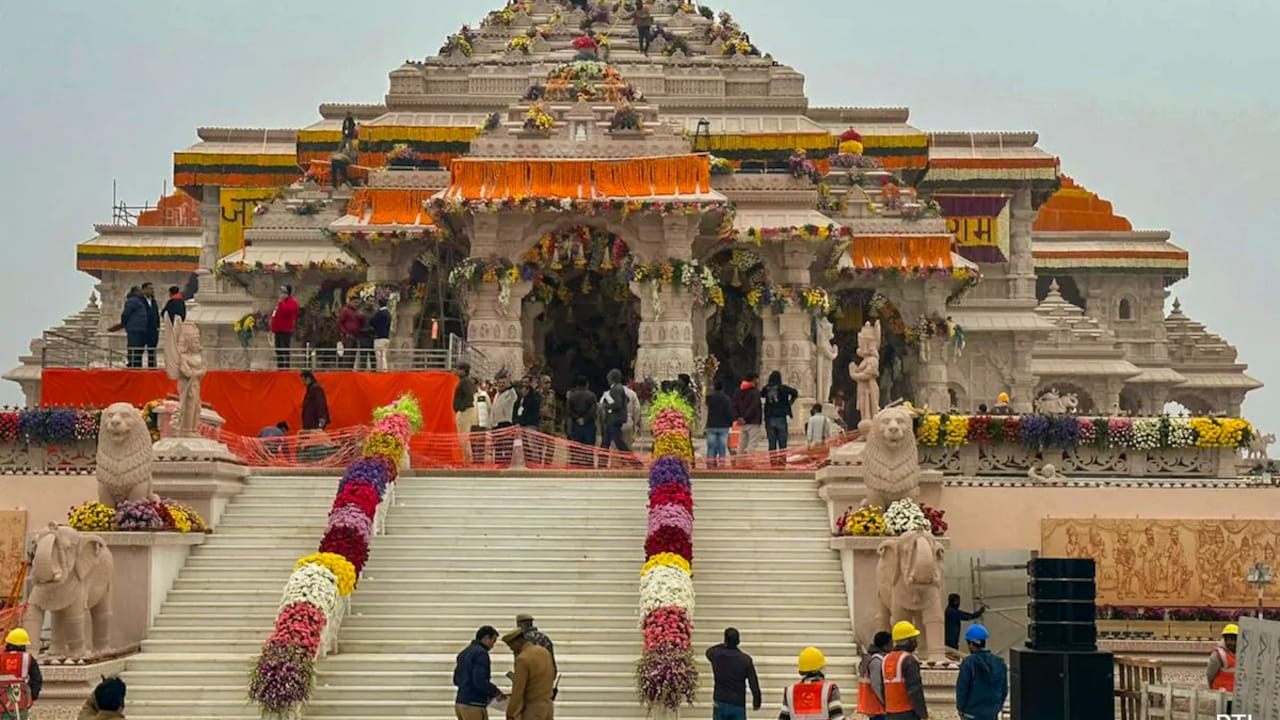
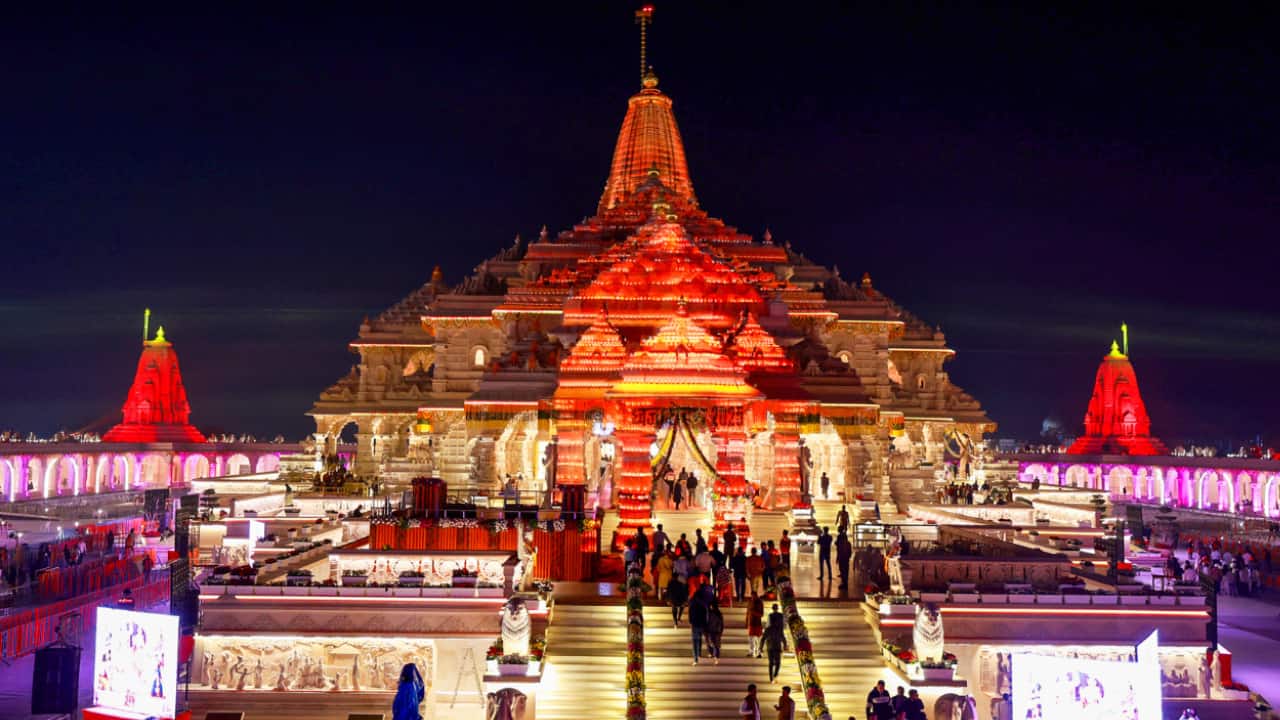
The management of the Shri Ram Janmabhoomi Teerth Kshetra Trust in Ayodhya has resurfaced as a flashpoint after a series of alleged misappropriations of donations and jewellery. The trust was created following the Supreme Court’s historic 2019 verdict that cleared the way for the construction of the Ram temple, and it subsequently began collecting funds from devotees across the country.
Demand for Traditional Management
Former petitioner and senior priest Mahant Baba Dharmdas, who also heads the Hanumangarhi monastery, issued a strong statement on Sunday: “We will not allow any government control over the Ram Janmabhoomi. We want to maintain a sadhu tradition there.” His remarks come amid growing concerns over the alleged financial irregularities, underscoring the deep religious‑political undercurrents that surround the temple project.
Government’s Stance
Nripendra Misra, chairman of the Ram Mandir Construction Committee, attempted to allay fears by emphasizing that the trust’s hierarchical structure remains intact. He clarified that the proposed CEO will act as an “additional link” to improve accountability and transparency, without disturbing the existing governance. “The trust is supreme, and its decisions will be final. No scope for government interference,” Misra said, adding that every decision must keep the devotee at the centre.
Supreme Court Hearing
In parallel, the Supreme Court has scheduled a hearing for July 13 to consider petitions demanding an independent probe into the alleged financial irregularities of the trust. Should the court order a separate investigation, it could set a precedent for stringent financial oversight of high‑profile religious institutions.
Future Outlook
In response to the controversy, the trust has proposed appointing a professional CEO to strengthen day‑to‑day oversight. General Secretary Champat Rai resigned as part of the overhaul, and opposition parties are preparing to raise the issue during the upcoming Monsoon Session of Parliament. The clash now pivots on a broader question: how India balances religious autonomy with state accountability in an era of heightened public scrutiny.