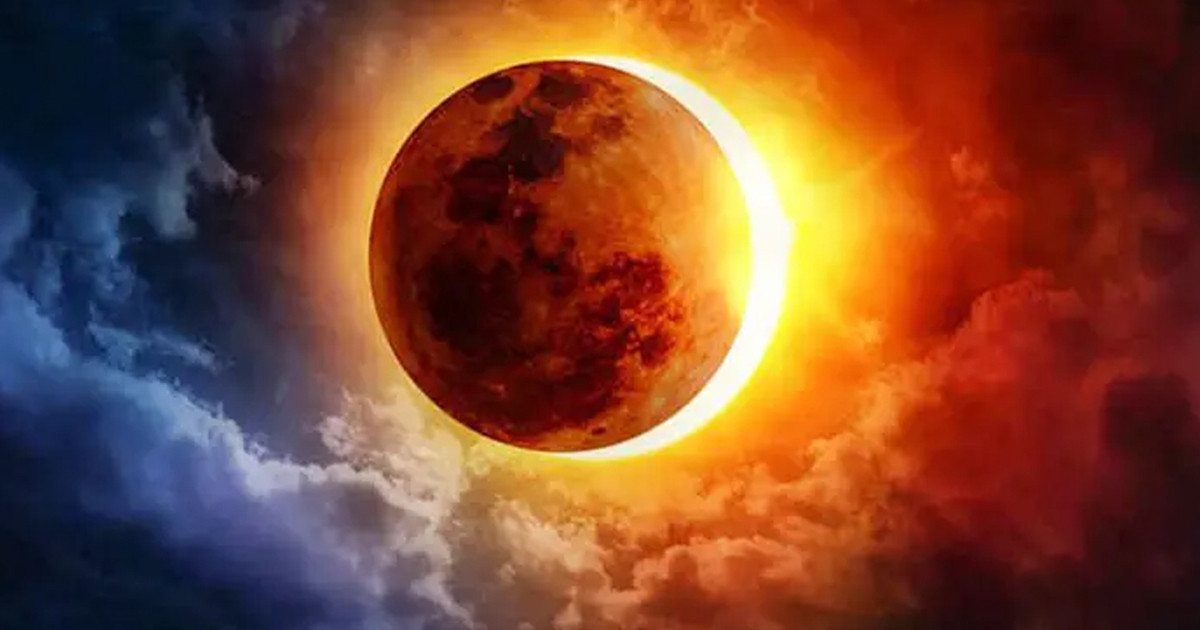
A rare celestial phenomenon is on the horizon as the longest solar eclipse of the century approaches. After a 75-year hiatus, the sky is set to plunge into darkness during this historic event.
Key Takeaways
- The longest solar eclipse of the century is arriving after a 75-year interval.
- The eclipse will cause significant darkness across large parts of the sky.
- This rare event offers a unique opportunity for scientific study and observation.
A monumental celestial event is approaching, marking a moment that astronomers and space enthusiasts have been anticipating. The longest solar eclipse of the century is set to occur, breaking a 75-year cycle of such magnitude.
During this event, the Moon will align perfectly between the Earth and the Sun, casting a massive shadow that will momentarily turn day into night. This phenomenon is not just a visual spectacle but a rare opportunity to witness the Sun's corona in all its glory.
Why This Matters
BozokMedia analysis shows that such rare astronomical alignments serve as critical benchmarks for studying solar activity and atmospheric changes. Beyond science, these events trigger massive global interest, driving scientific curiosity and astronomical tourism.
"This eclipse represents a rare synchronization of celestial bodies that provides a unique window into the mechanics of our solar system."
Historically, solar eclipses have been among the most significant events in human history, often interpreted through myth and legend. In the modern era, however, they serve as vital tools for researchers to understand the complex relationship between the Earth, Moon, and Sun.
Frequently Asked Questions
Question 1: How can I safely view the solar eclipse?
Answer: Never look directly at the Sun without specialized eye protection, such as certified solar eclipse glasses.
Question 2: Why is this eclipse considered 'the longest of the century'?
Answer: It is due to the specific orbital alignment that allows the Moon's shadow to remain over a specific area for an extended duration compared to other eclipses.