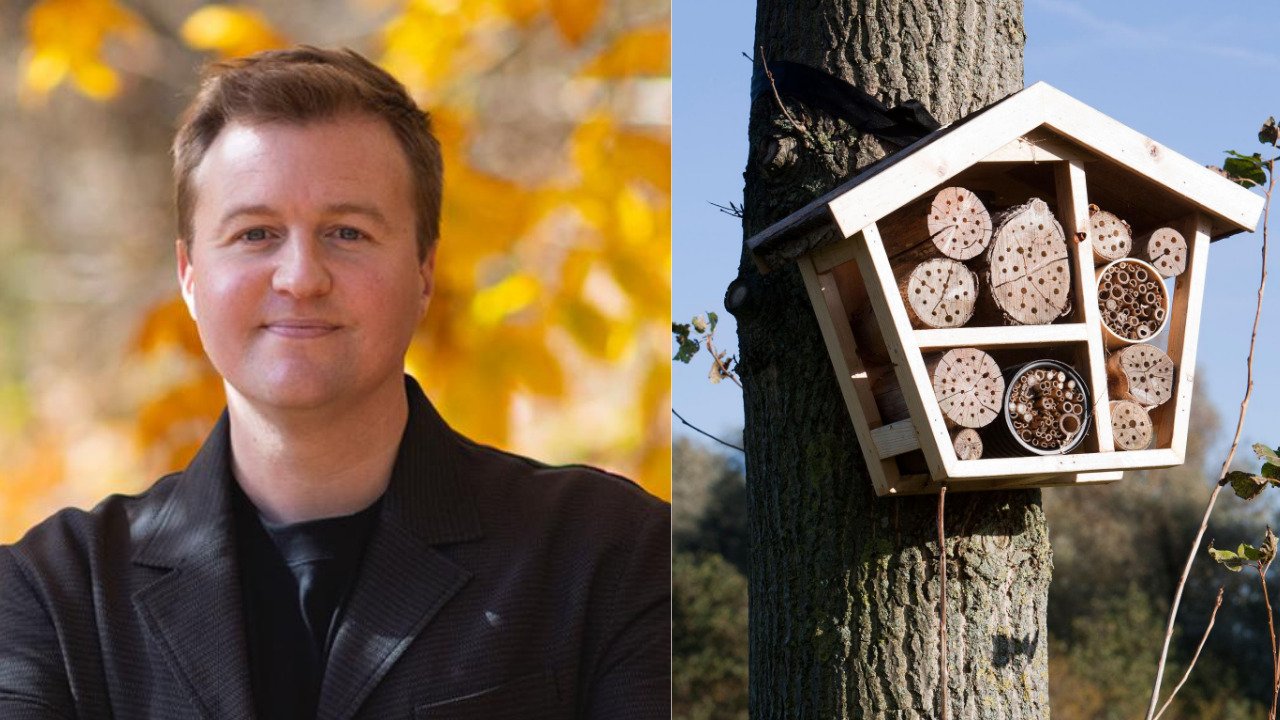
A scientist built 200 bee hotels and the results changed our understanding of pollinators and biodiversity
Scientists and conservationists have spent years creating miniature refuges for wild bees in the form of small nesting structures fitted with narrow tunnels that mimic the hollow stems and cavities many solitary bee species naturally use to lay their eggs. Hoping they could provide additional nesting spaces in increasingly urban landscapes, Canadian researcher J. Scott MacIvor installed 200 bee hotels across a city and monitored them for three years. What began as a simple conservation experiment soon uncovered an entire hidden community of insects, prompting researchers to rethink how artificial nesting sites influence pollinators and urban biodiversity. The study found that bee hotels can influence entire insect communities, offering researchers a rare glimpse into the complex relationships unfolding inside these artificial nesting sites. The findings suggested that bee hotels can have a positive impact on biodiversity, but it requires careful planning and consideration of the needs of different bee species. Building bee hotels is a good idea, but it requires a thoughtful approach and consideration of the needs of the bees. In addition to building bee hotels, we need to protect the natural habitats of bees and create a safe environment for them. Building bee hotels can have a positive impact on biodiversity, but it requires careful planning and consideration of the needs of different bee species.