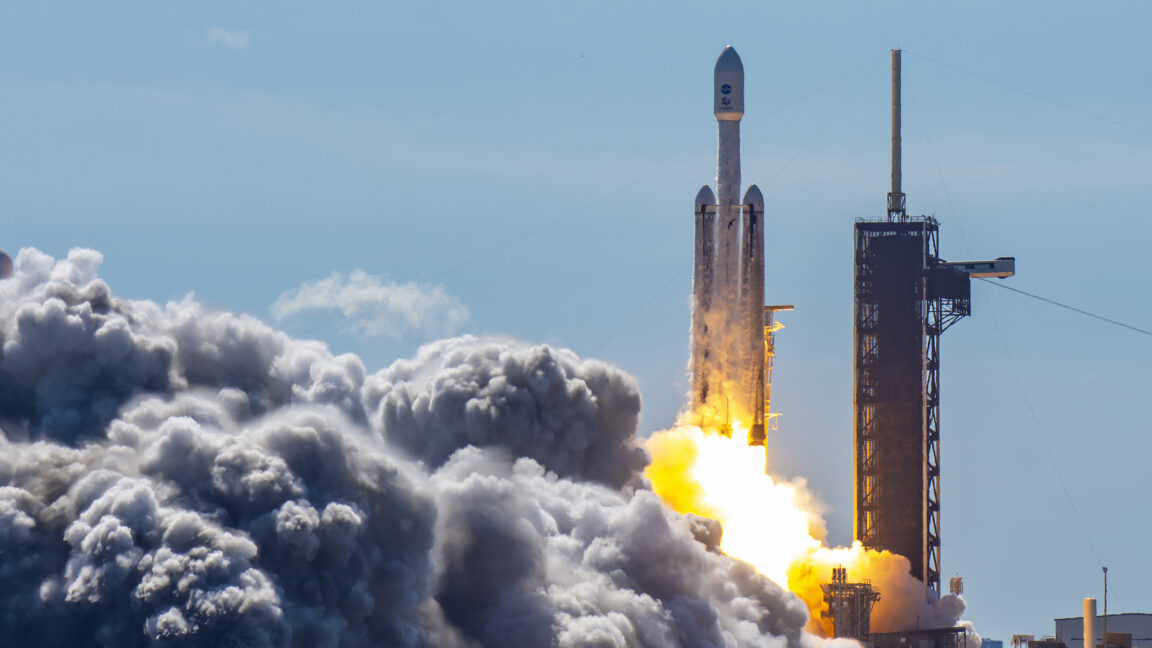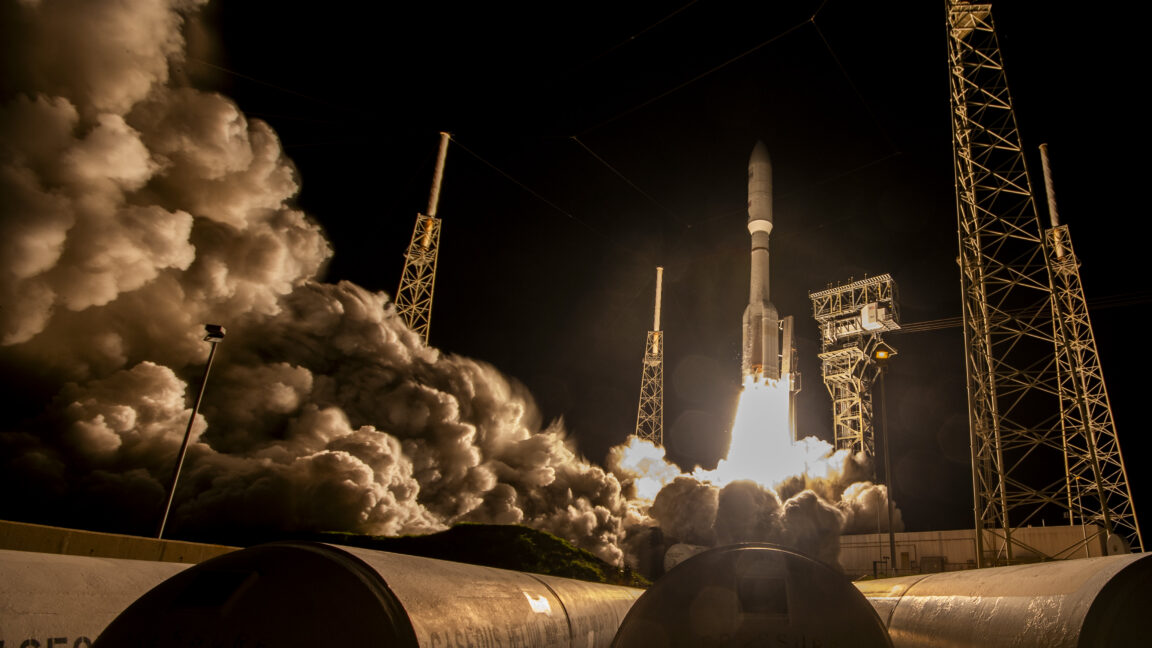
Amazon confirms 29 Kuiper broadband satellites are now in orbit and could start mid‑latitude internet service by year‑end, while ULA’s Atlas V completes its swan song after two decades of launches.
The United Launch Alliance (ULA) capped the storied career of its Atlas V launch vehicle with a final mission that lofted 29 satellites for Amazon’s low‑Earth orbit (LEO) broadband constellation from Cape Canaveral Space Force Station at 12:30 am EDT (04:30 UTC). All payloads separated in under an hour and will use onboard propulsion to climb from roughly 289 miles (465 km) to a final operating altitude of 392 miles (630 km).
End of an Era and a Shift to Vulcan
First launched in 2002, the Atlas V became the workhorse of U.S. national‑security, scientific and commercial missions, completing more than 400 successful flights. Its retirement clears the way for ULA’s next‑generation launch system, the Vulcan Centaur, which promises lower cost per kilogram and partial reusability—features now essential in a market dominated by private innovators.
Amazon’s Kuiper Project and the Broadband Timeline
Amazon’s Kuiper LEO broadband constellation aims to deploy roughly 3,236 satellites to deliver high‑speed internet to underserved regions worldwide. The 29 satellites launched this week are the first batch of the “mid‑latitude” segment, and the company says they could enable initial service in those regions by the end of 2026, pending regulatory clearance and ground‑segment rollout.
Competitive Landscape and Market Implications
The final Atlas V flight underscores a broader shift in the launch ecosystem. SpaceX’s reusable Falcon 9 and Starship, Blue Origin’s New Glenn, and emerging players like Rocket Lab have forced legacy providers to accelerate innovation. Amazon’s Kuiper directly competes with SpaceX’s Starlink, and the performance and pricing of both constellations will shape the future of global connectivity.
Looking Ahead: A New Launch Paradigm
As ULA transitions to Vulcan and other companies push the boundaries of reusability, the industry is poised for a new standard of cost efficiency, reliability, and launch cadence. The Atlas V’s swan song is both a nostalgic farewell and a catalyst for the next wave of space‑based internet services that could bridge the digital divide on a planetary scale.