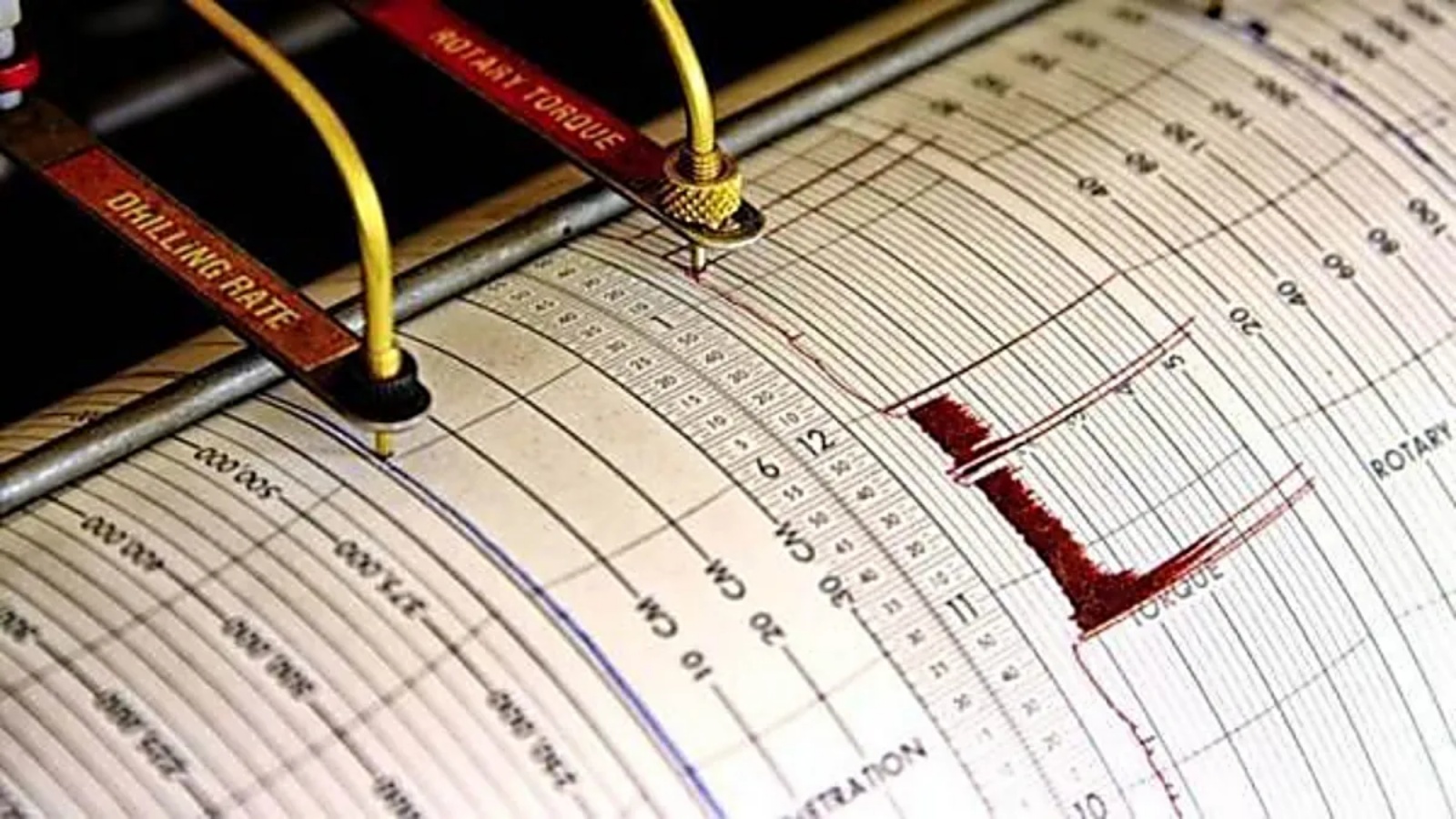
Between 1:37 am and 3:23 am on Thursday, the districts of Nanded, Hingoli and Parbhani felt tremors ranging from 3.6 to 4.6 on the Richter scale. Authorities report no casualties or major damage so far, but vigilance remains high across the region.
In the early hours of Thursday, a series of mild tremors rattled Maharashtra’s Marathwada region. The Indian Institute of Scientific Information confirmed that the quakes, recorded between 1:37 am and 3:23 am, measured between 3.6 and 4.6 on the Richter scale and were felt most strongly in the districts of Nanded, Hingoli and Parbhani.
Geological Background
Marathwada sits on a complex tectonic interface where the Indian Plate pushes against the Arabian Plate. Historically, the region has witnessed several moderate‑magnitude earthquakes – notably the 6.0‑magnitude quake along the Karnataka‑Maharashtra border in 1993 and a 5.2‑magnitude event near Pune in 2011. Seismologists explain that these low‑intensity tremors usually stem from the gradual release of accumulated stress along fault lines, sometimes preceding larger seismic activity.
Local Impact and Immediate Response
According to the Survey of India, the recent tremors caused no significant structural damage, although a few rural homes reported minor cracks in walls and slight roof vibrations. Local authorities promptly dispatched emergency response teams, assured residents that there were no reported injuries, and began a rapid damage‑assessment survey.
Expert Opinions
Dr. Anjali Bansal, a leading seismologist, remarked, “While these low‑magnitude quakes are not usually precursors to major events, continuous monitoring is essential. Strengthening the existing seismic sensor network will enable us to detect any escalation in real time.” She also advised citizens to identify safe spots within homes – such as under sturdy door frames or heavy furniture – during any future shaking.
Future Preparedness Measures
The Maharashtra government has announced an upgrade to its earthquake early‑warning system. Plans include real‑time data transmission to mobile apps, installation of sirens in remote villages, and a dedicated fund for retrofitting schools and public buildings. Public awareness campaigns are also slated to educate residents on emergency protocols.
Overall, the recent tremors, though harmless this time, underscore the importance of preparedness in a seismically active zone. Ongoing scientific surveillance combined with community education will be the cornerstone of risk mitigation in the coming years.