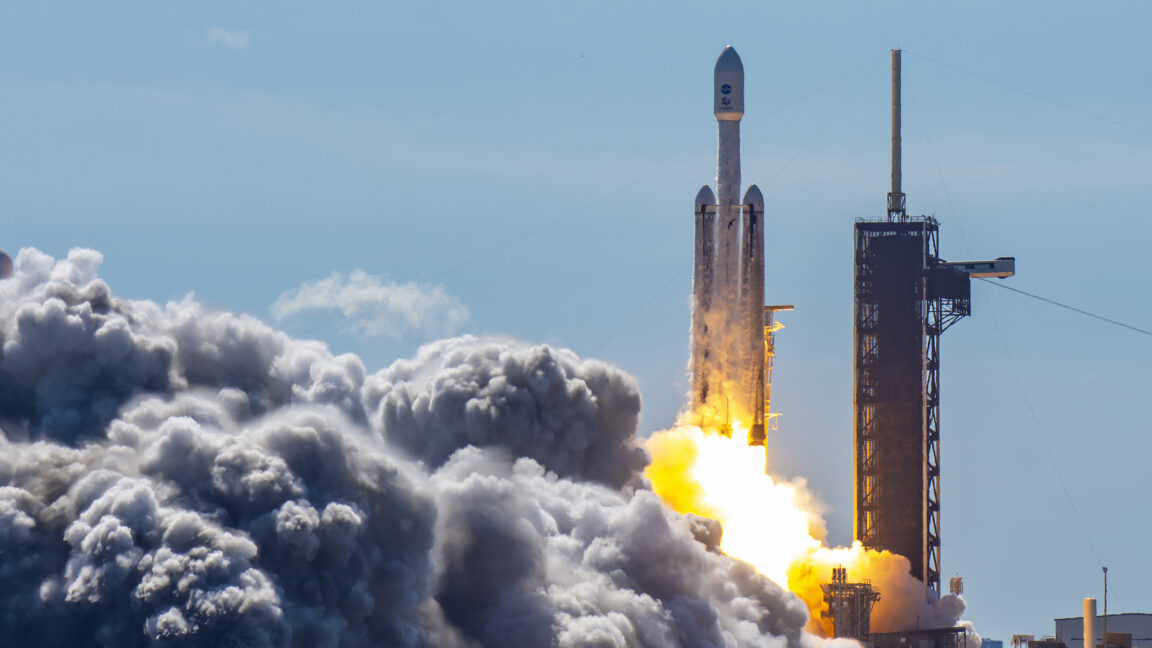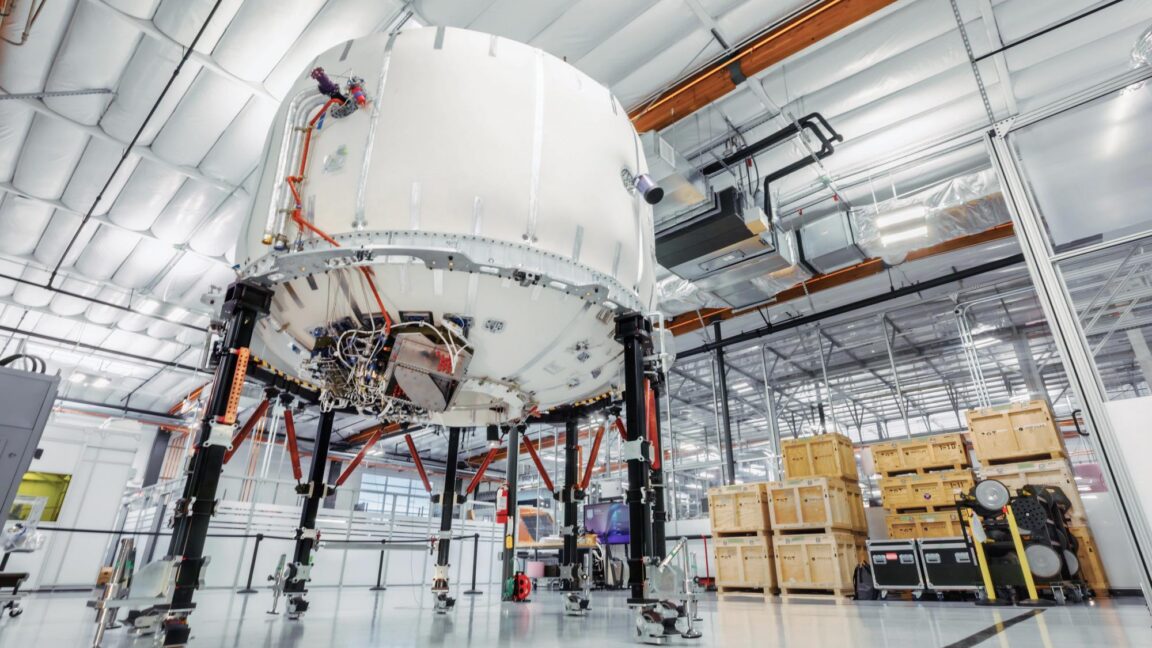
The US Space Force has introduced Relativity Space and Impulse Space into its launch contract competition, signaling a shift toward integrated space capabilities.
In a strategic move to diversify its orbital capabilities, the US Space Force has officially expanded its pool of eligible bidders for upcoming launch contracts. This week, the agency welcomed two distinct players into the fold: Relativity Space and Impulse Space. For any aerospace entity, securing a spot in the lucrative US military launch market is a definitive hallmark of industrial maturity and a massive revenue milestone.
Relativity Space: The Heavy-Lift Contender
The inclusion of Relativity Space comes as a logical progression for the industry. Under the high-profile leadership of former Google CEO Eric Schmidt, the company has been making significant strides toward the maiden flight of its heavy-lift Terran R rocket. As a partly reusable launch vehicle, the Terran R aims to provide the military with a cost-effective and scalable solution for deploying massive payloads into orbit, addressing the growing demand for rapid response capabilities.
Impulse Space: A Paradigm Shift in Strategy
The true disruptor in this announcement, however, is Impulse Space. While traditional competitors focus on the brute force required to escape Earth's gravity, Impulse Space specializes in in-space operations. Instead of building the 'delivery truck' (the rocket), they build the 'specialized machinery' that operates once the payload is already in orbit. Their inclusion suggests that the Space Force is no longer just looking for ways to get to space, but is increasingly focused on what happens once they arrive.
Strategic Implications for National Defense
Industry analysts note that this expansion likely exceeds the original contemplations of the 'Phase 3' planning. By integrating a spacecraft specialist alongside a heavy-lift rocket manufacturer, the Space Force is building an end-to-end ecosystem. This move reflects a sophisticated understanding of modern space warfare, where the ability to maneuver, maintain, and operate assets within the orbital environment is just as critical as the initial launch itself.