Launching from Hainan, China’s Long March 10B successfully retrieved its first reusable orbital-class booster in the South China Sea, marking a strategic shift in the global space race.
Key Takeaways
- China recovers its first reusable orbital-class booster.
- Launch executed by Long March 10B from Hainan.
- Significant step toward matching SpaceX's reusable technology.
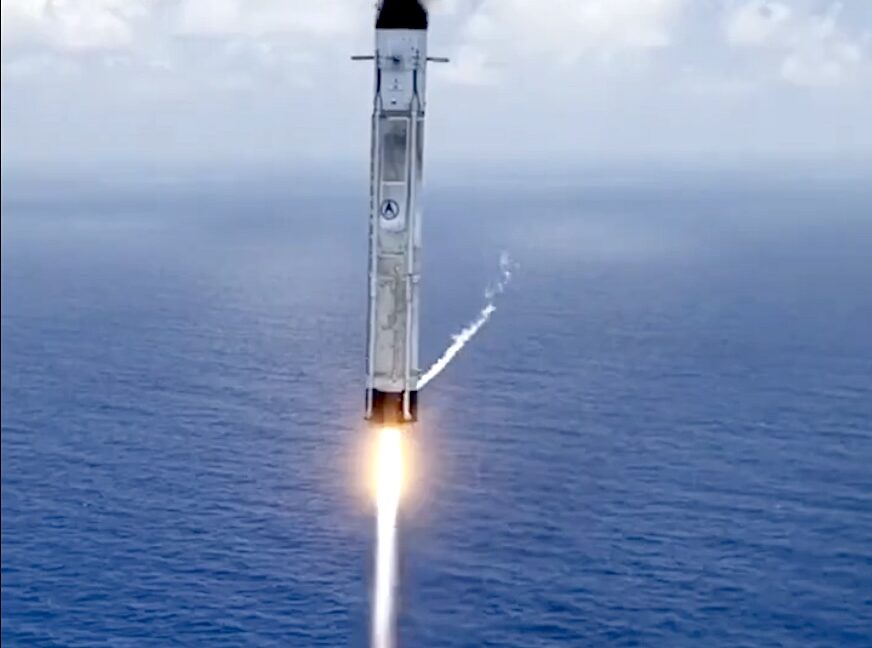
China’s state‑owned rocket powerhouse, the developer behind the Long March family, announced on Friday that it had successfully recovered a reusable orbital‑class booster in the South China Sea. The milestone mission began with the liftoff of a Long March 10B from the Wenchang Commercial Space Launch Site on Hainan Island, firing seven kerosene‑fuelled engines to propel a 209‑foot (63.6‑metre) vehicle at 12:15 pm local time.
Launch and Landing Mechanics
Roughly ten minutes after ascent, the booster separated from its upper stage, autonomously guided itself toward a four‑legged frame mounted on an offshore vessel, and was captured by a grid of tensioned cables. The landing engines shut down just as the rocket hung momentarily in mid‑air, mirroring the precision of SpaceX’s Falcon 9 recoveries. Meanwhile, the upper stage continued to orbit and deployed the payload designated CX‑26, details of which remain classified.
Historical Context and Policy Shift
China has experimented with reusable launch concepts for years, yet none had achieved a full recovery until now. This breakthrough promises substantial cost reductions and faster turnaround times, aligning with Beijing’s broader ambition to become a dominant space power. Analysts contend that the achievement not only showcases China’s growing technical prowess but also directly challenges SpaceX’s monopoly on reusable launch technology, potentially reshaping the balance of power in the commercial space sector.
Future Outlook and Global Implications
Looking ahead, the Long March 10B and its successors are expected to conduct more reusable missions, potentially supporting satellite constellations, space‑station logistics, and even crewed flights. Should China maintain a high success rate, it could offer a competitive, lower‑cost alternative to existing launch services, prompting both collaboration and rivalry among nations. The ripple effect may force the international community to revise standards and investment strategies around reusable launch systems.