A new study led by USDA scientists suggests that the levels of heart-healthy Omega-3 fatty acids in farmed salmon have significantly declined.
- Nutritional levels of Omega-3 fatty acids in farmed salmon have dropped considerably.
- Nearly 70% of the world's salmon consumption comes from aquaculture.
- Existing dietary guidelines may become outdated due to these changes.
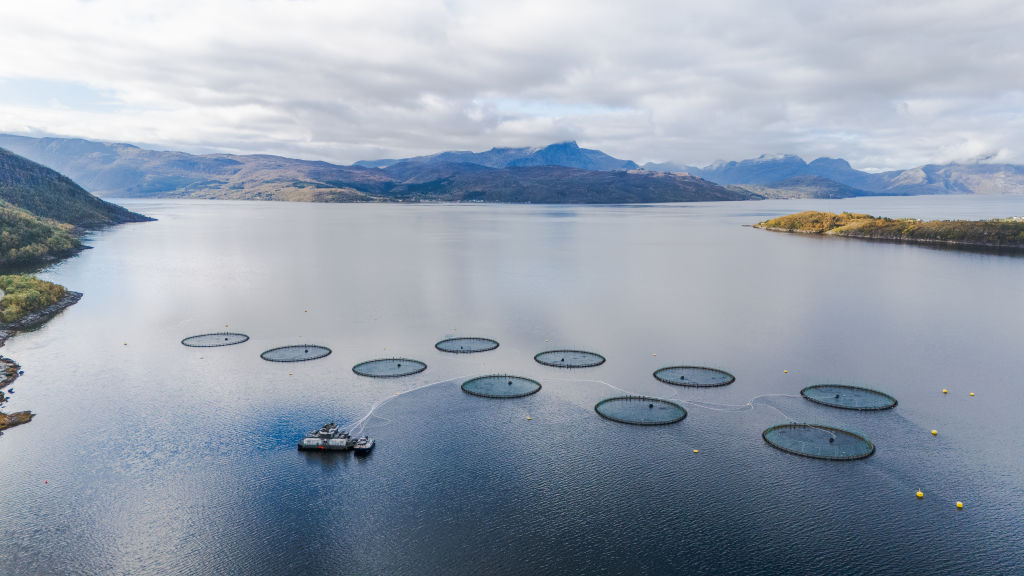
For years, the prevailing dietary advice has been to consume more fatty fish to maintain heart health. This recommendation has driven global demand for salmon to unprecedented heights, leading to a massive shift toward aquaculture. Today, approximately 70 percent of the salmon consumed globally is raised in controlled pens and cages rather than being caught in the wild.
However, a groundbreaking study led by USDA scientists has cast doubt on the nutritional efficacy of this industry. The research indicates that the levels of essential Omega-3 fatty acids—the primary reason salmon is recommended by health organizations—have plummeted in farmed varieties.
Why This Matters
BozokMedia analysis shows that this nutritional decline poses a significant risk to public health strategies. If farmed salmon no longer provides the expected levels of heart-healthy fats, the dietary guidelines set by the US Department of Agriculture and recommendations from the American Heart Association could become insufficient or even misleading for the general public.
The shift in aquaculture feed compositions is fundamentally altering the nutritional profile of one of the world's most popular protein sources.
The core of the issue lies in the diet provided to these fish. As the industry moves away from natural marine diets to more cost-effective, plant-based or processed feeds, the downstream biological impact on the fish's fatty acid composition becomes evident.
Historical Background
Historically, salmon were wild-caught predators in the ocean, consuming a diet naturally rich in Omega-3s. The rise of industrial fish farming was intended to meet global protein demands sustainably, but the reliance on artificial feed has created an unintended nutritional gap between wild and farmed species.
Comparison: Wild vs. Farmed Salmon
| Feature | Wild Salmon | Farmed Salmon (Current) |
|---|---|---|
| Omega-3 Content | High & Natural | Significantly Reduced |
| Primary Diet | Natural Marine Life | Processed/Artificial Feed |
| Global Availability | Limited/Seasonal | High/Consistent |
Beyond nutrition, environmentalists point out that the shift in fish diets has significant implications for climate change and the sustainability of marine ecosystems, creating a complex web of ecological consequences.
Frequently Asked Questions
1. Does this mean farmed salmon is unsafe to eat?
Not necessarily unsafe, but it may not provide the same cardiovascular benefits as wild-caught salmon.
2. How can I ensure I get enough Omega-3?
Consider wild-caught fish, algae supplements, or plant sources like chia seeds and walnuts.