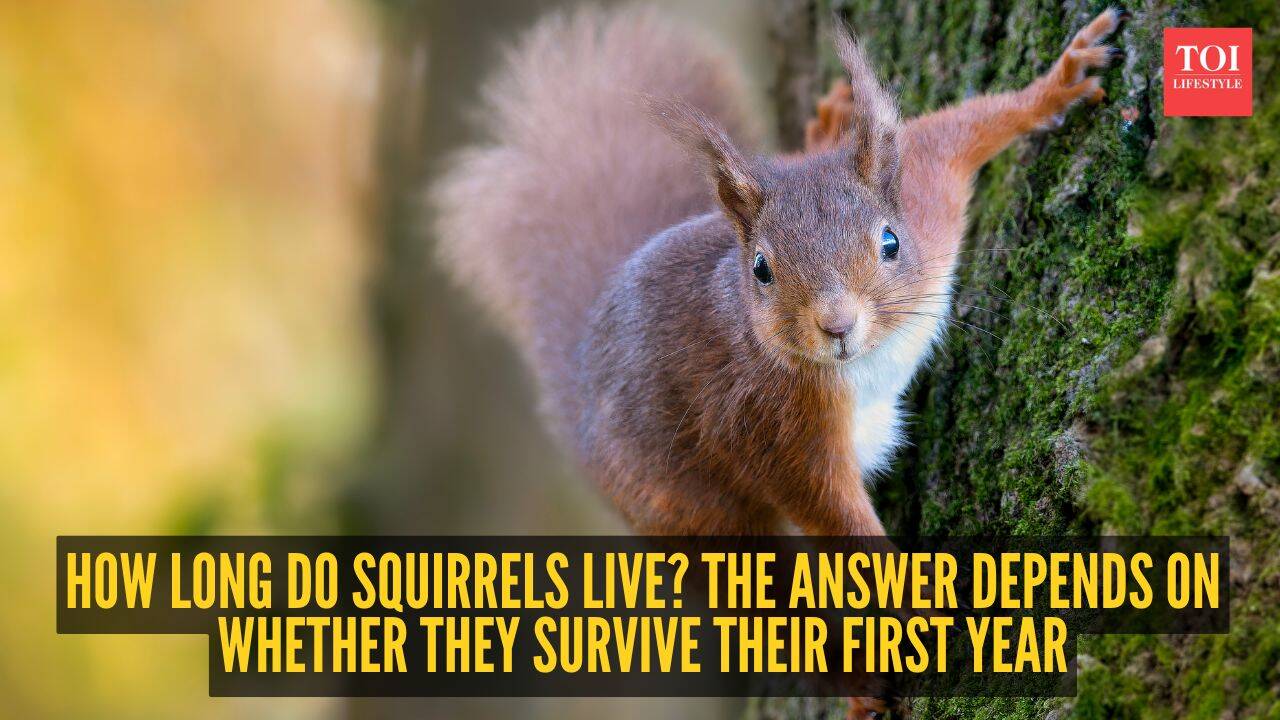
Squirrel longevity varies by species and environmental pressures. Wild squirrels often survive only a few years due to predators and hazards, while captive individuals can live up to twenty years. Providing safe habitats and adequate nutrition markedly improves survival odds.
Key Takeaways
- The first year is critical for a squirrel's overall lifespan
- Wild squirrels average 5‑6 years in the wild
- Captive squirrels can reach up to 20 years
Squirrels, members of the family Sciuridae, have long fascinated ecologists and urban wildlife observers. While the family encompasses dozens of species, the Eastern gray squirrel (Sciurus carolinensis) is among the most studied. Their ultimate lifespan, however, hinges not merely on genetics but on the ability to survive that vulnerable first year.
Challenges in Natural Habitats
In the wild, squirrels confront a gauntlet of predators—hawks, snakes, foxes, and domestic cats—alongside disease, severe weather, and fluctuating food supplies. These pressures translate into a high mortality rate within the initial twelve months; young squirrels leaving the nest become easy prey. Consequently, most wild squirrels live three to five years, with an average of about six years for the Eastern gray in temperate forests.
Captivity Extends the Clock
When removed from these hazards and housed in sanctuaries, zoos, or private enclosures, squirrels experience dramatically reduced stressors. Regular veterinary care, balanced diets, and protection from predators enable many individuals to surpass a decade of life, with some reaching the twenty‑year mark. This stark contrast underscores how targeted human intervention can markedly increase longevity.
Conservation Implications
Preserving and expanding green corridors in urban and rural landscapes is essential for squirrel survival. Tree‑planting initiatives, community gardens, and secure feeding stations not only boost local squirrel populations but also enhance seed dispersal—a critical ecosystem service. Policymakers should therefore incorporate small‑mammal considerations into broader biodiversity strategies.
Future Research Directions
Ongoing studies aim to pinpoint which habitat enhancements and nutritional programs most effectively double or triple average wild lifespans. Additionally, climate change projections demand attention, as shifting temperatures may alter food availability and predator dynamics, further influencing squirrel mortality patterns.