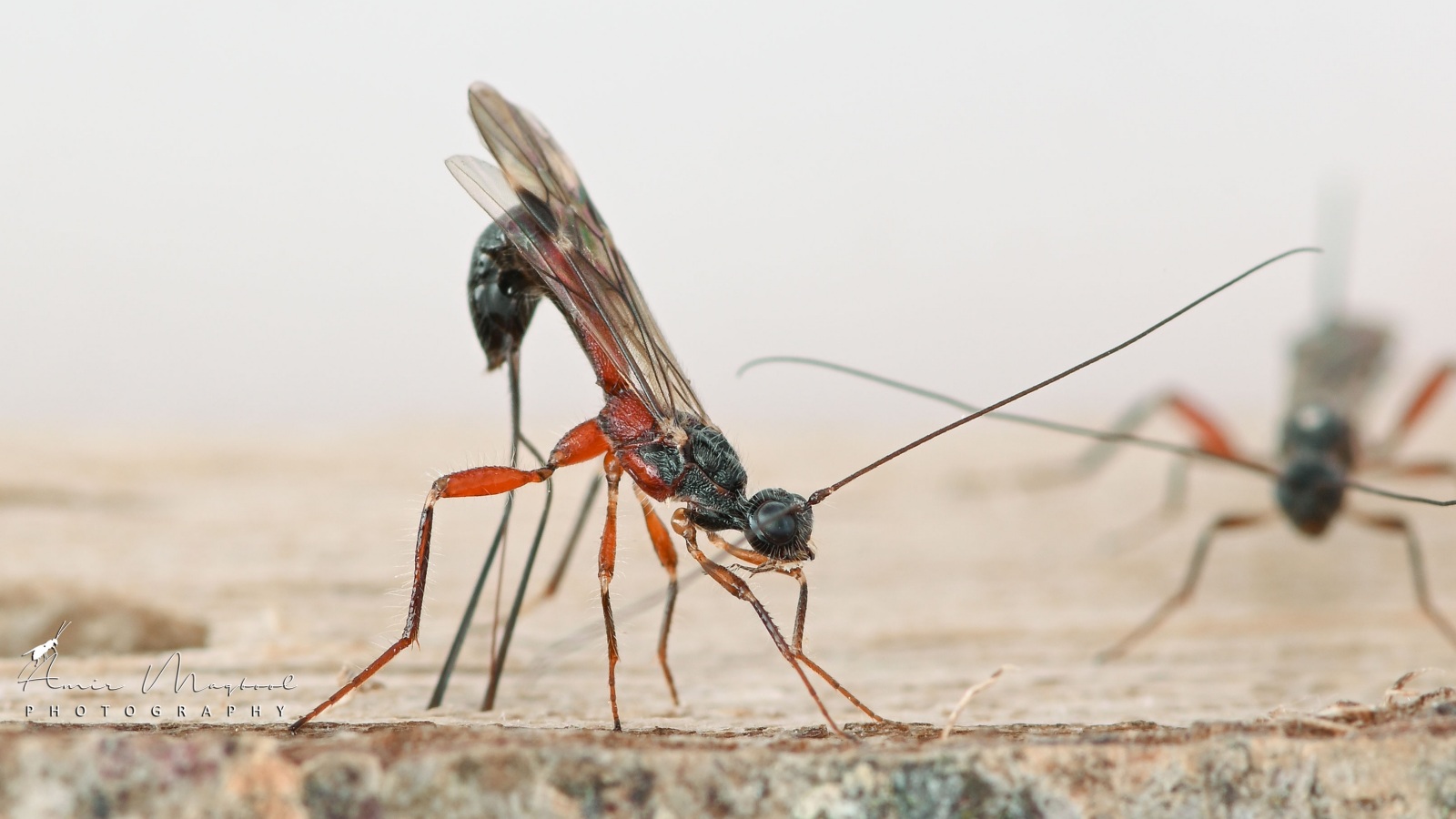
Researchers have identified a previously unknown parasitoid wasp in the Himalayan region of Jammu & Kashmir. The insect shows promise for controlling the wood‑boring beetle *Xylotrechus stebbingi*, offering a chemical‑free alternative for forest protection.
Key Takeaways
- Discovery of a new parasitoid wasp species in Jammu & Kashmir
- Natural predator of the wood‑boring beetle *Xylotrechus stebbingi*
- Potential tool for sustainable, pesticide‑free forest management
In a breakthrough study published in Zootaxa, entomologists have described a new wasp species, Doryctes (Udamolcus) xylotrechi, collected from the larvae of the beetle *Xylotrechus stebbingi* in the Kashmir Himalayas. The beetle is notorious for boring into tree trunks, causing significant damage to forest health and timber value.
What Makes Parasitoid Wasps Unique?
Unlike typical wasps that feed on nectar or build nests, parasitoid wasps lay their eggs on or inside a host insect. The emerging larvae consume the host from within, ultimately killing it. This life‑cycle positions them as natural biocontrol agents, capable of suppressing pest populations without synthetic chemicals.
Why This Discovery Matters for Jammu & Kashmir
The Himalayan forests of Jammu & Kashmir have long been under‑studied, yet they host a remarkable array of endemic species. The newly identified wasp directly attacks *X. stebbingi*, offering a targeted, environmentally friendly method to curb beetle outbreaks. If laboratory and field trials confirm its efficacy, forest managers could integrate the wasp into integrated pest‑management (IPM) programs, reducing reliance on harmful pesticides.
Broader Scientific Contributions
Beyond the single species, the research team compiled a comprehensive global checklist of all known Doryctes (Udamolcus) species and produced identification keys for Indian and Sri Lankan taxa. The taxonomic revision clarifies relationships within this diverse group, facilitating future ecological and evolutionary studies.
Looking Ahead
The Himalayan Biodiversity Exploration Lab, which led the investigation, stresses that many more undiscovered organisms likely await description in these mountains. Each new find enriches our understanding of ecosystem dynamics and highlights the urgency of conserving these habitats.
To translate this discovery into practical forest protection, scientists will need extensive field validation, risk assessments for non‑target species, and collaboration with local communities and policymakers. Only then can the wasp move from laboratory curiosity to a cornerstone of sustainable forest stewardship.