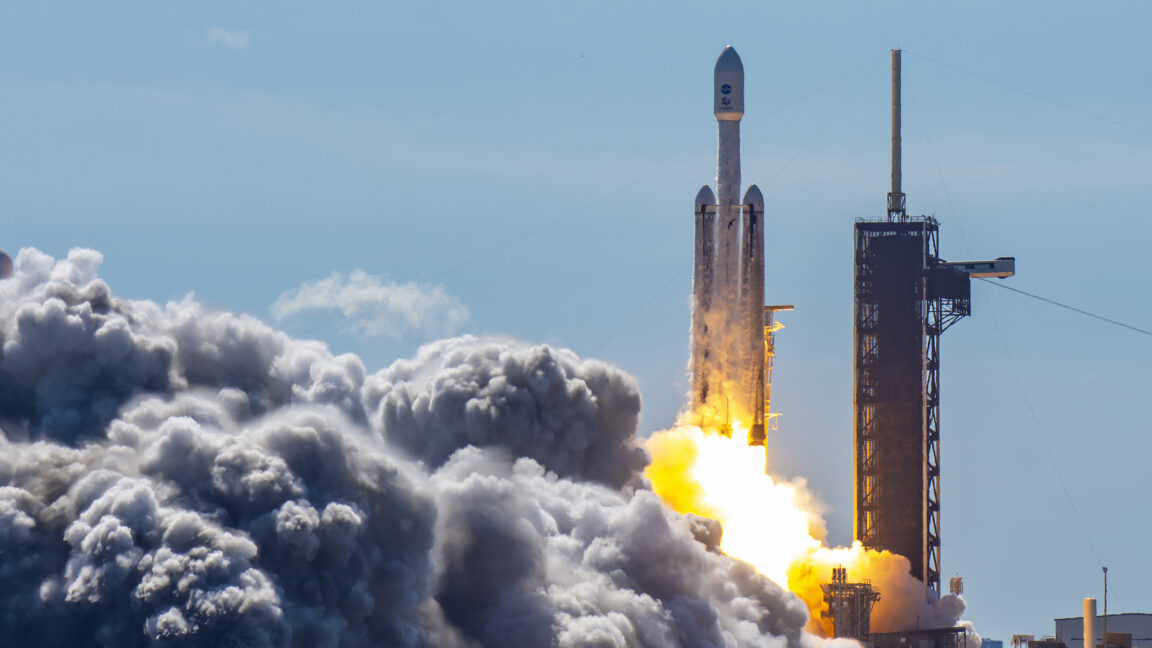
Prime Minister Narendra Modi stated that New Zealand's space industry played a pivotal role in the triumph of India's lunar mission Chandrayaan-3. The partnership opens new avenues for scientific collaboration and technology exchange between the two nations.
Key Takeaways (मुख्य बिंदु)
- New Zealand space firms provided critical technical support for Chandrayaan-3.
- The collaboration signals a deepening India‑New Zealand partnership in space science.
- Future joint missions and data‑sharing initiatives are now on the table.
Prime Minister Narendra Modi announced on Saturday that New Zealand’s space sector was instrumental in the success of India’s recent lunar mission, Chandrayaan‑3. The statement underscores the growing importance of cross‑border scientific cooperation, especially between two nations that combine a large public programme with agile private industry.
Background and History of Cooperation
New Zealand’s space ecosystem, led by innovators such as Rocket Lab, has become renowned for delivering low‑cost, high‑frequency launch services for small satellites. India’s Indian Space Research Organisation (ISRO) tapped into this capability for data relay, communications, and even payload testing for Chandrayaan‑3. By leveraging Rocket Lab’s Electron launch vehicle and its global ground‑station network, ISRO reduced latency in telemetry and ensured a smoother flow of mission‑critical data.
Chandrayaan‑3’s Milestones
Launched in July 2023, Chandrayaan‑3 achieved a historic soft‑landing on the Moon’s south‑pole region, making India only the second nation to land near this scientifically rich area. The lander and rover conducted a suite of experiments—probing surface composition, temperature extremes, and dust dynamics. New Zealand’s technical input helped streamline real‑time communication between the lunar assets and mission control, a factor that many analysts credit for the mission’s flawless execution.
Future Prospects
Following this success, both governments are exploring expanded cooperation. Experts anticipate joint initiatives ranging from lunar orbiters and Mars probes to Earth‑observation satellites aimed at climate monitoring. New Zealand’s nimble private sector, combined with India’s extensive launch infrastructure, could set a global benchmark for cost‑effective, collaborative space exploration.
Conclusion
Modi’s remarks highlight how strategic partnerships with innovative, smaller space economies can amplify the reach of large national programmes. The collaboration not only bolsters India’s scientific ambitions but also propels New Zealand onto the world stage as a vital contributor to next‑generation space missions.