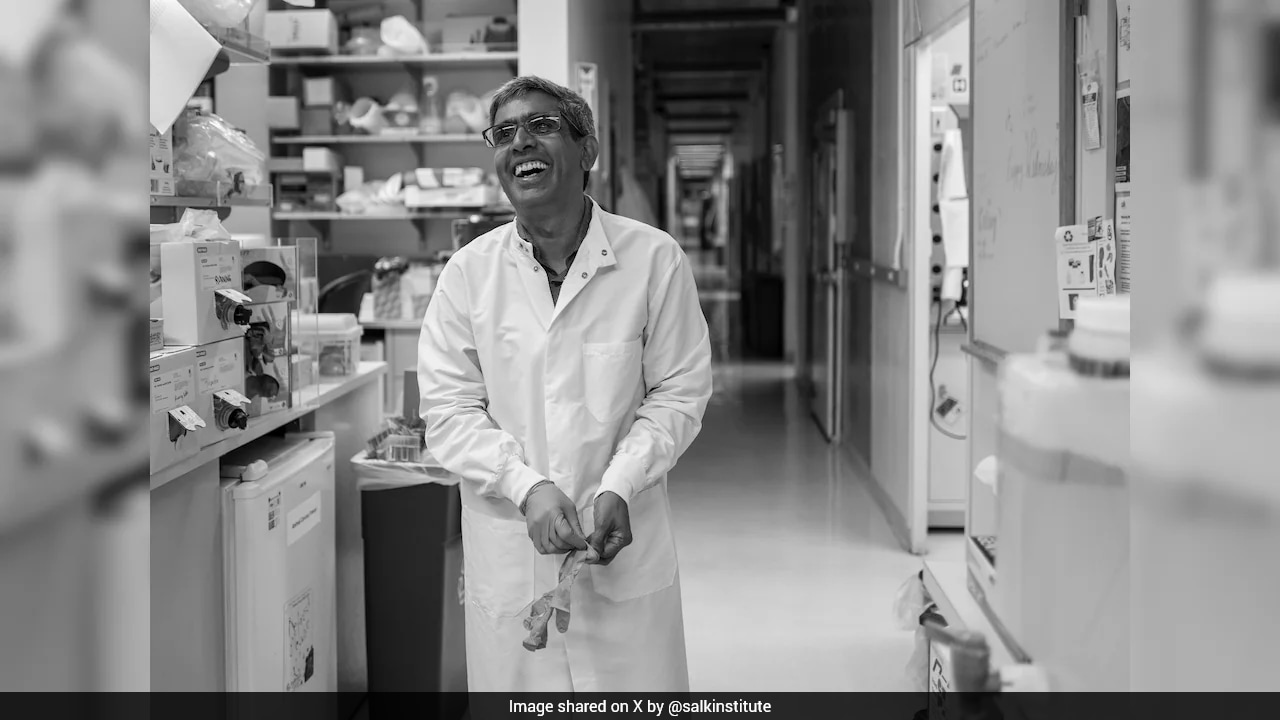
Harvard astrophysicist Avi Loeb has been named head of a newly formed UAP Science Advisory Council, a joint effort by the White House, Pentagon, ODNI, FBI and the broader intelligence community. The move aims to bring rigorous scientific analysis to the mystery of unidentified anomalous phenomena.
Key Takeaways
- Avi Loeb appointed chair of the UAP Science Advisory Council
- Council comprises physicists, a pathologist, computer scientist, philosopher, psychologist and media publisher
- U.S. government seeks to resolve the nature of unidentified anomalous phenomena
The White House announced today that renowned Harvard astrophysicist Avi Loeb will serve as the chair of the newly created UAP Science Advisory Council. This body, co‑established by the White House, the Pentagon, the Office of the Director of National Intelligence (ODNI), the FBI and the wider intelligence community, is tasked with delivering scientific reports and recommendations to the UAP Governing Board.
Historical Context
For decades, UAP (formerly UFO) sightings have hovered at the edge of public curiosity and classified secrecy. In June 2021, the ODNI released a highly publicized report cataloguing dozens of unexplained aerial incidents, spurring a bipartisan call for greater transparency. The formation of this council marks the first time a multidisciplinary scientific panel is formally integrated into the U.S. governmental response to the phenomenon.
Composition of the Council
Loeb’s selection signals a deliberate shift toward a broad, interdisciplinary approach. The council’s roster includes not only astrophysicists but also a pathologist, a computer scientist, a philosopher, a psychologist, and the founding publisher of a leading science‑focused media outlet. This diversity ensures that the investigation can address biological plausibility, data‑analytics, ethical considerations, and public perception alongside pure physics.
Potential Implications
Should the council’s findings attribute UAP to conventional atmospheric or technological explanations, it could reshape aerospace research funding, influence defense procurement, and recalibrate public expectations about extraterrestrial life. Conversely, if evidence points toward non‑terrestrial origins, the ramifications could extend to international diplomacy, space law, and the very fabric of scientific inquiry.
Looking Ahead
Loeb’s leadership brings credibility and media attention, but the council’s effectiveness will hinge on its independence, data accessibility, and willingness to publish peer‑reviewed results. As governments worldwide monitor the UAP debate, this U.S. initiative may set a precedent for how nations balance national security with open scientific discourse.