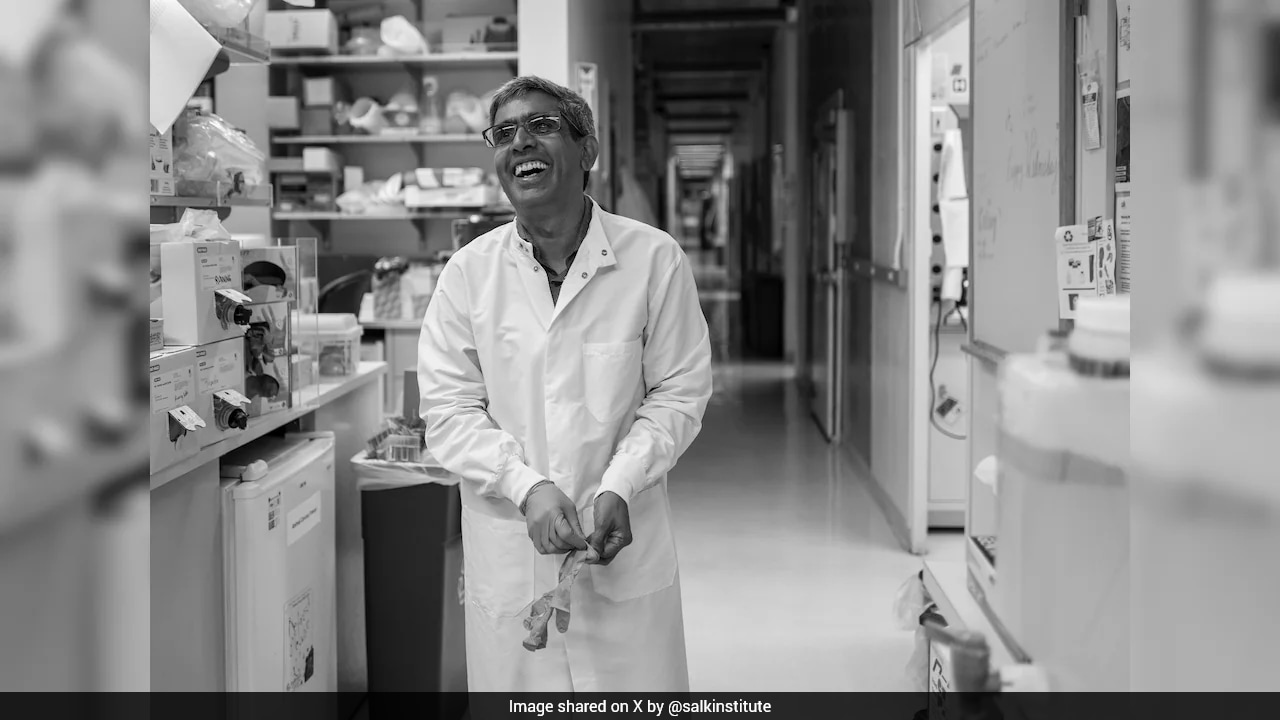
Physicist R. Rajaraman turned down a promising U.S. career in the 1960s to return to India, dedicating his life to nuclear safety and education. His journey from a Cornell doctorate to a leading voice on nuclear policy illustrates the convergence of science and social responsibility.
Key Takeaways (मुख्य बिंदु)
- R. Rajaraman rejected a U.S. green card to serve India’s academia.
- He warned against nuclear weapons years before India’s first test.
- Even after working with Oppenheimer at Princeton, he remained committed to Indian security.
R. Rajaraman, born in 1939 in Coimbatore, returned to India at a time when the nation had not yet detonated its first atomic bomb. After earning a Ph.D. in nuclear theory under Nobel laureate Hans Bethe at Cornell, he was a coveted recruit for the United States, yet his yearning for social service drove him back home.
Early Dilemma and the Decision to Return
In 1963, at just 24, Rajaraman was offered a U.S. green card—a rare privilege for an Indian scholar. In a bold move that stunned his American peers, he voluntarily surrendered the card, insisting that any lingering attachment to the United States would dilute his commitment to India’s development.
Academic Pursuits and Nuclear Advocacy
Back in Delhi, he joined Delhi University and later taught at several premier institutions, including JNU and IIM. In 1970, well before India’s 1974 Pokhran‑I test, he authored a seminal article warning of the catastrophic risks of nuclear weapons, positioning himself as an early conscience of India’s emerging nuclear agenda. After India’s 1998 Pokhran‑II test, he accepted a fellowship with Princeton’s Program on Science and Global Security, contributing to the Project on Peace and Security in South Asia.
Philosophy Meets Physics
Rajaraman’s intellectual curiosity extended beyond physics. A close friend of philosopher Ramchandra Gandhi, he often exchanged ideas on existentialism, keeping a battered notebook of Kierkegaard quotations—a symbol of his blended scientific‑philosophical outlook.
Legacy and Contemporary Relevance
Even after being diagnosed with Parkinson’s disease, he remained active as Professor Emeritus at JNU, embodying a lifelong dedication to education and public safety. His death in 2007 left a void, but his writings continue to inform India’s nuclear policy debates, reminding policymakers that ethical considerations must accompany technological advancement.