As ISRO prepares for the ambitious Gaganyaan mission, a surge in resignations among top scientists has prompted the Department of Space to tighten exit protocols for mission-critical personnel.
Key Takeaways
- More than 100 ISRO scientists have recently resigned or sought voluntary retirement (VRS).
- The Department of Space (DoS) has mandated central approval for exits of Group 'A' scientists linked to critical missions like Gaganyaan.
- The rise of India's private space ecosystem and lucrative startup offers are cited as primary drivers for the talent exodus.
The Indian Space Research Organisation (ISRO), a global powerhouse celebrated for milestones like Chandrayaan-3 and Aditya-L1, is currently navigating an unexpected internal crisis. Recent reports indicate a significant trend of talent attrition, with over 100 scientists having resigned or applied for voluntary retirement in recent months. This exodus comes at a precarious time as India accelerates its preparations for 'Gaganyaan', the nation's first human spaceflight mission.
Government Intervenes with Tightened Exit Norms
In response to what has been described as a "spate" of resignations, the Department of Space (DoS) has officially revised the procedures for accepting exits from Group 'A' Scientific and Technical personnel. An Office Memorandum issued on July 14 highlights concerns that these departures are beginning to impact the implementation of projects of vital national importance.
Under the revised guidelines, the autonomy previously held by ISRO Centre Directors to accept resignations up to the rank of Scientist/Engineer-SG (Level 13A) has been curtailed for mission-critical staff. For scientists associated with Gaganyaan or other major national missions, resignations can no longer be processed as a matter of routine. Instead, such requests must now be forwarded to the Department of Space for final approval, accompanied by formal recommendations from the respective Head of Unit.
The Private Sector Pull: A New Era of Competition
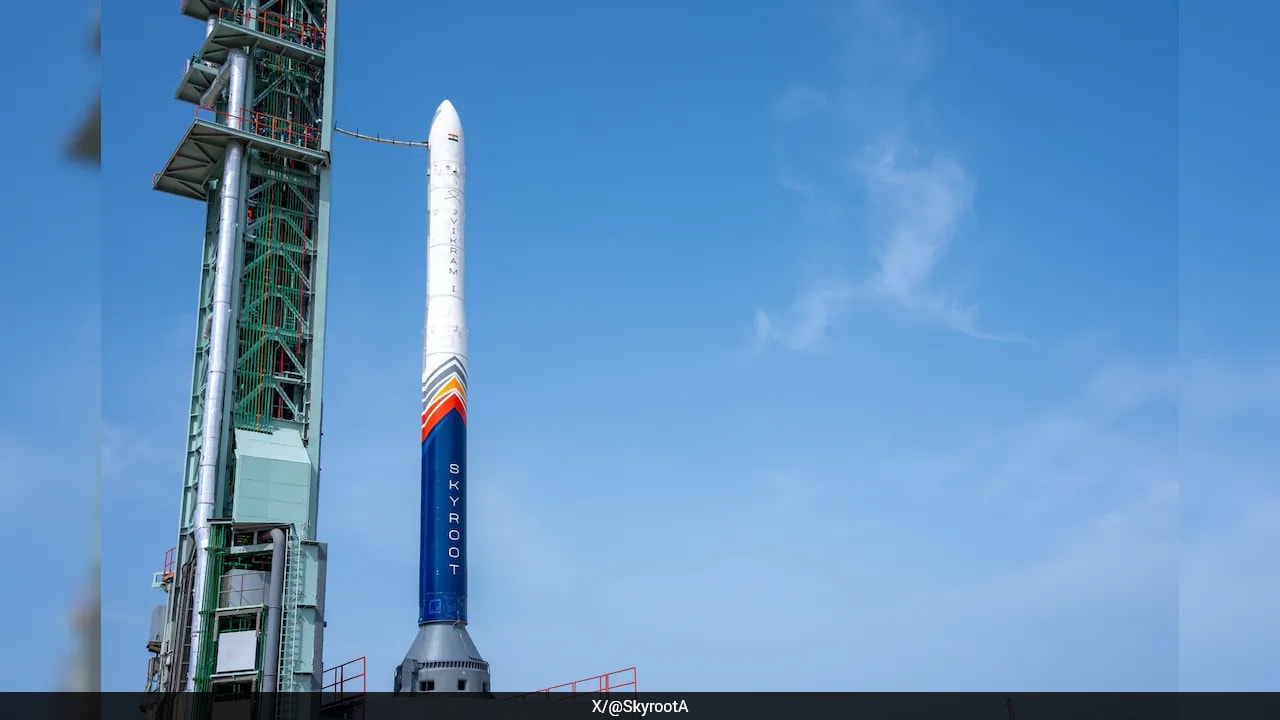
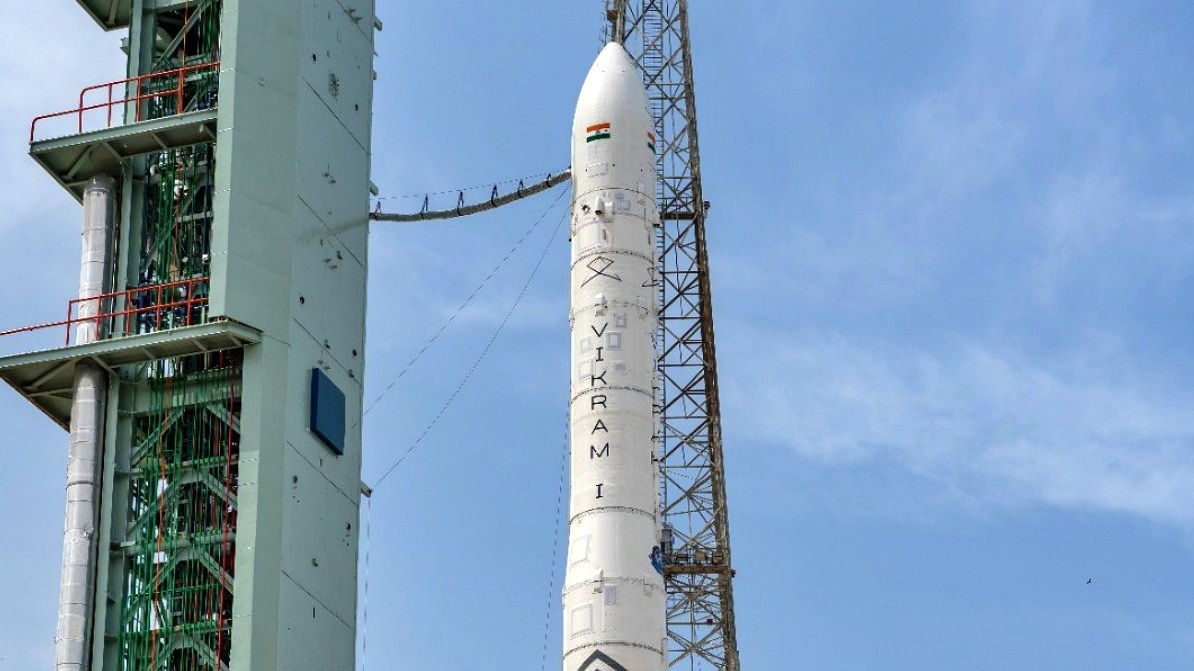
The fundamental question remains: Why are elite scientists leaving the premier state agency? Industry analysts point toward the rapid maturation of India's private space sector. Since the government opened the industry to private participation in 2020, a wave of aerospace startups has emerged. These entities offer competitive advantages that the traditional bureaucratic structure struggles to match, including significantly higher compensation packages, faster career trajectories, and more agile working environments.
The Threat to Institutional Knowledge
Beyond the raw numbers, the real danger lies in the loss of institutional knowledge. The scientists working on advanced launch vehicles and satellite systems possess specialized, non-transferable expertise acquired over decades. Replacing such high-level expertise mid-mission is not a simple matter of recruitment; it can lead to delays in mission timelines and increased operational risks for ongoing projects like Gaganyaan.