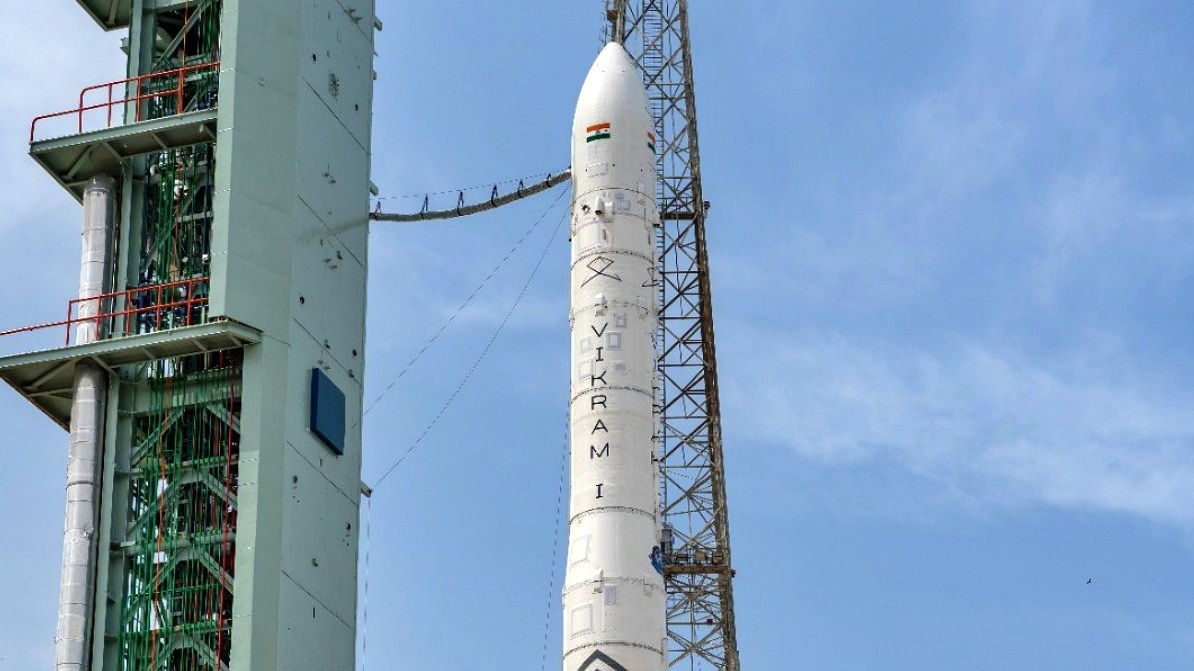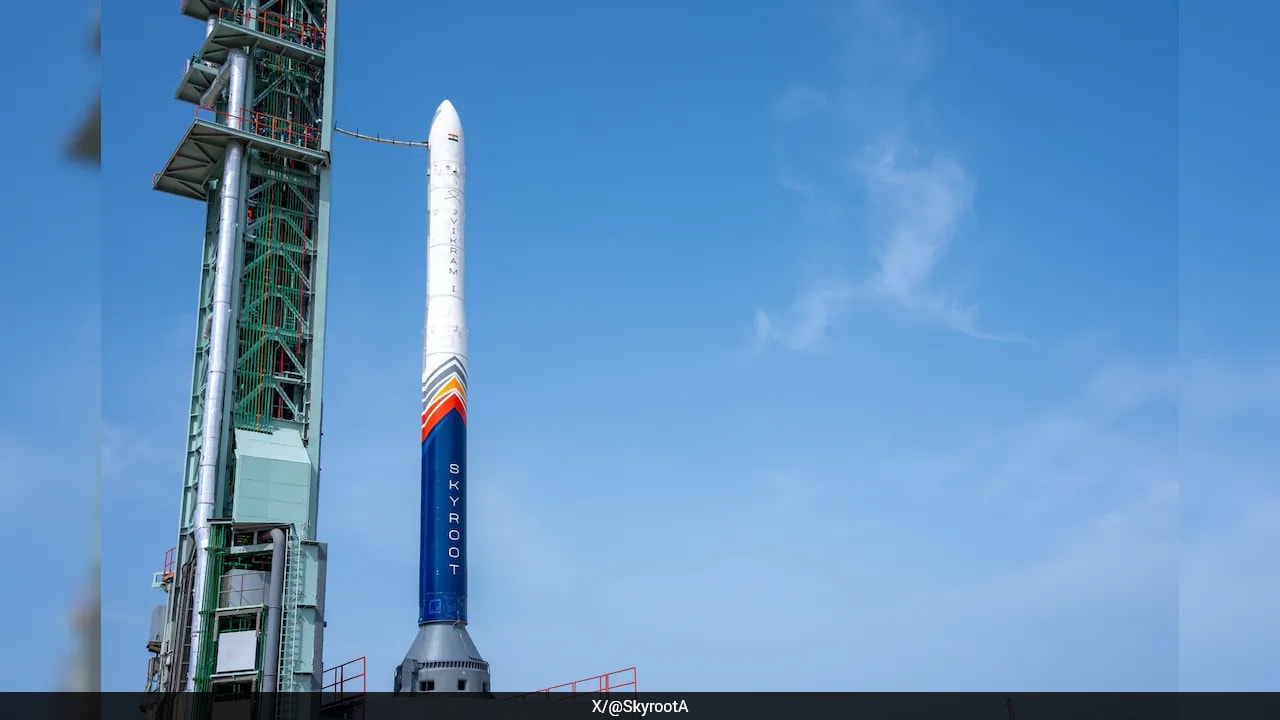
If all goes as planned, Skyroot's Vikram-1 will become India's first privately‑developed orbital rocket, capable of delivering up to 300 kg to low‑Earth orbit, opening new commercial pathways.
Key Takeaways
- Vikram-1 is India’s first privately‑developed orbital launch vehicle
- Can place roughly 300 kg into low‑Earth orbit (LEO)
- Private sector entry promises diversification and cost‑competitiveness in India’s launch market
Should the schedule hold, Skyroot’s Vikram‑1 rocket will carve a historic niche as the first Indian private launch vehicle to attempt an orbital mission. Beyond the symbolic breakthrough, the vehicle is engineered to loft about 300 kg of payload to low‑Earth orbit, a capacity suited for the burgeoning small‑satellite market and scientific experiments.
Historical Background: India’s space journey began in the 1960s with the formation of the Indian Space Research Organisation (ISRO). The nation’s first satellite, Aryabhata, was launched in 1975, followed by the development of workhorse launchers such as the Polar Satellite Launch Vehicle (PSLV) in the 1990s. For decades, launch services were exclusively government‑run, until a 2020 policy shift opened the door for private enterprises. This regulatory change birthed startups like Skyroot, Axiom, and Agnikul, ushering in a new era of commercial space innovation.
From a technical standpoint, Vikram‑1 employs a three‑stage architecture, 3‑D‑printed engines, and a modular payload fairing. These design choices reduce structural mass and manufacturing cost, making the vehicle attractive to small‑satellite operators.
"Vikram‑1’s aerodynamic efficiency and 3‑D‑printed thrust modules position it as a strong contender in the global private launch arena," says space analyst Dr. Anita Rao.
Market implications are profound. Private‑sector competition could drive launch prices down, expand access for academic and commercial missions, and deepen India’s role as a launch hub for international customers. The ripple effects include job creation, advancement of high‑tech manufacturing, and a boost to the country’s export earnings.
Why This Matters (इसके मायने क्या हैं)
According to BozokMedia analysis, a successful Vikram‑1 mission will transform India from a predominantly government‑driven space power into a multi‑player ecosystem. This shift will give startups, research institutions, and regional players affordable entry points, accelerating innovation cycles and fostering a vibrant commercial space economy.
On the global stage, a cost‑effective, reliable private launch option from India could attract satellite owners worldwide, diversifying revenue streams and strengthening India’s strategic leverage in geopolitics and technology diplomacy.
Frequently Asked Questions (अक्सर पूछे जाने वाले प्रश्न)
What payload capacity does Vikram‑1 offer? The vehicle can deliver approximately 300 kg to low‑Earth orbit.
What are Skyroot’s next steps after Vikram‑1? Following a successful launch, Skyroot plans to develop higher‑capacity variants and pursue international launch contracts.