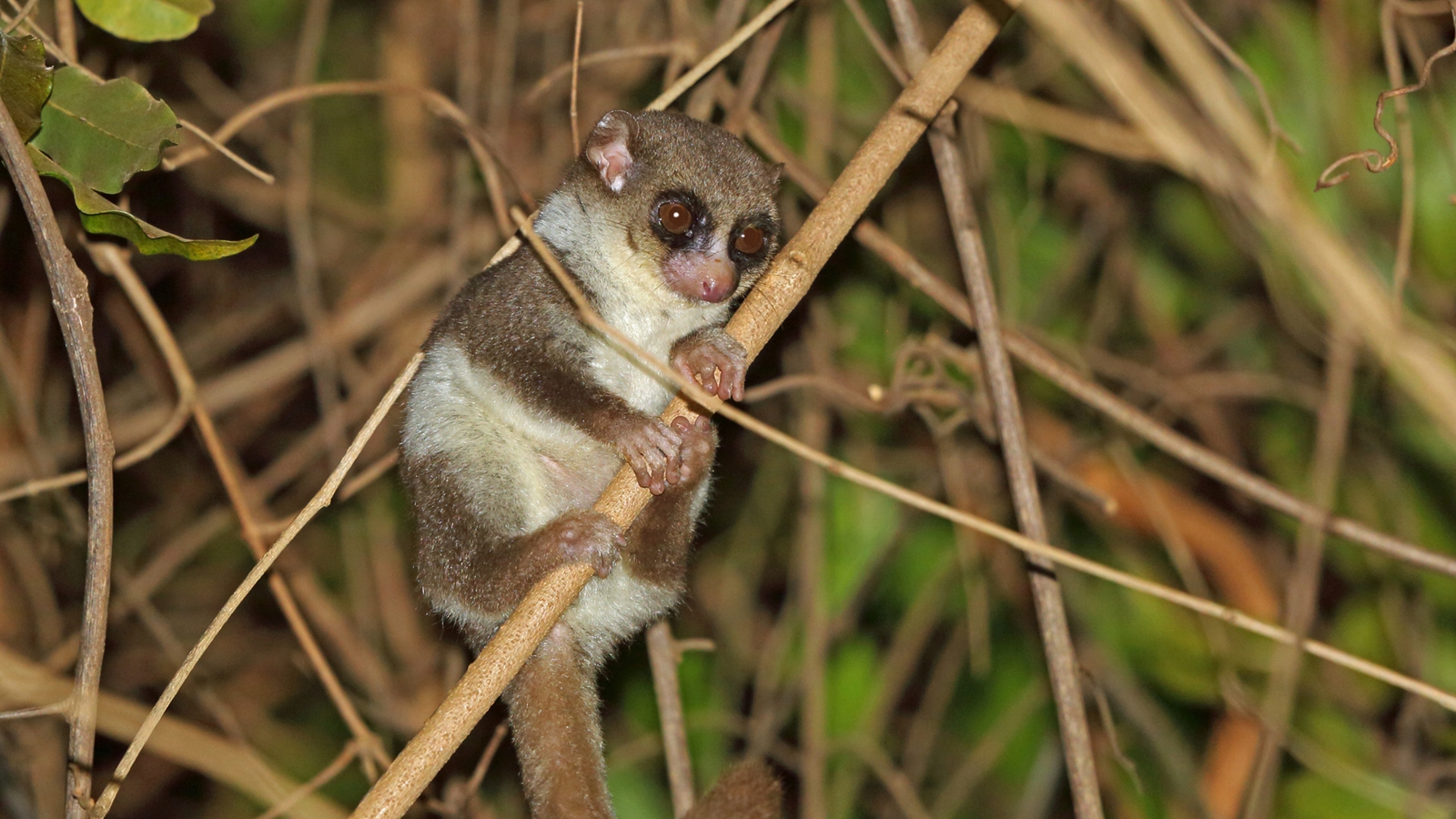
Scientists have discovered that the fat-tailed dwarf lemur is the only known animal capable of exhibiting REM sleep and dreaming while in a state of hibernation.
Key Takeaways
- The fat-tailed dwarf lemur is the only primate known to undergo hibernation.
- Researchers detected REM-like brain activity during its deep torpor.
- The species uses its tail as a biological energy store for survival.
When we contemplate hibernation, the standard scientific assumption is a state of profound, dreamless suspended animation where the brain effectively shuts down to conserve energy. However, a tiny resident of Madagascar is defying the biological norms of the animal kingdom.
Meet the fat-tailed dwarf lemur. This rare primate is not only unique for its ability to hibernate but is also the only known species to exhibit signs of dreaming while its body is in a state of extreme lethargy. During Madagascar's harsh dry season, these creatures retreat into tree hollows for up to seven months.
Why This Matters
BozokMedia analysis shows that this discovery transcends simple curiosity. Researchers from Duke University, in a study published in Nature Communications, observed that the lemur's brain remains active in short, intense bursts even during deep torpor. These bursts mirror the REM (Rapid Eye Movement) sleep patterns seen in humans, which is the primary stage for dreaming.
"It’s the only known hibernator that shows REM-like brain activity during torpor," researchers noted in their findings.
Understanding how the brain maintains these neural flickers during low-energy states could provide vital clues for medical science, specifically in treating brain injuries or assisting long-term survival during deep-space exploration.
Historical Background
Traditionally, hibernation has been viewed as a metabolic shutdown. Most animals that undergo this process experience a near-total cessation of complex brain activity to prevent energy depletion. The fat-tailed dwarf lemur stands as a biological outlier, maintaining a level of neurological complexity that was previously thought impossible during torpor.
Frequently Asked Questions
1. Do all hibernating animals dream?
No, most hibernating animals experience a significant drop in brain activity that prevents REM sleep and dreaming.
2. Where can these lemurs be found?
They are endemic to the forests of Madagascar.