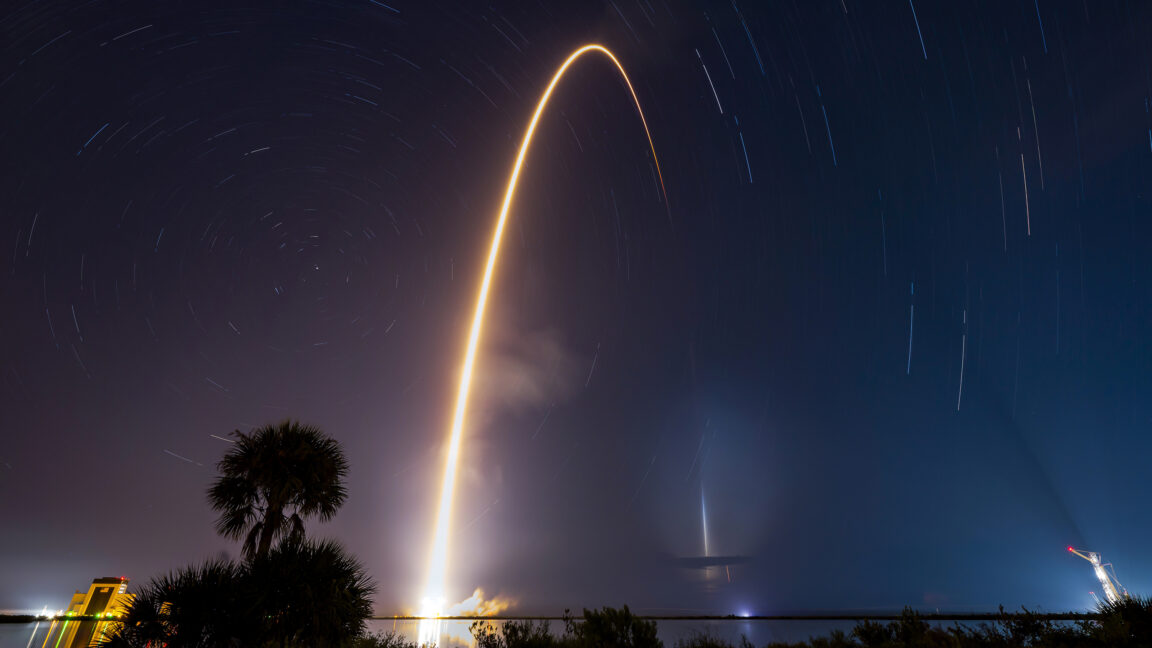
A breathtaking partial solar eclipse has illuminated the Parisian sky, framing the iconic Eiffel Tower in a dramatic celestial silhouette. While only partial in France, the spectacular event was witnessed as a total eclipse in regions like Greenland, Iceland, and Spain.
Key Takeaways
- A partial solar eclipse created a stunning visual silhouette of the Eiffel Tower in Paris.
- The eclipse reached totality in Greenland, Iceland, and Spain, drawing millions of viewers.
- Astrophotographers and tourists gathered in Paris to witness the rare alignment.
On August 13, 2026, skywatchers in Paris were treated to a mesmerizing celestial display as a partial solar eclipse perfectly aligned behind the iconic Eiffel Tower. The silhouette of the architectural marvel was carved against the darkened, golden-hued sky, creating a once-in-a-lifetime photo opportunity for locals and tourists alike.
Historical Background
Historically, solar eclipses have captivated humanity, often viewed as powerful omens or divine signs. In Paris, celestial events have long been documented with a mix of scientific curiosity and artistic appreciation. The last major partial eclipse visible from the French capital occurred in 2022, but the unique atmospheric conditions of the 2026 event provided unprecedented clarity, allowing the sun’s crescent to frame the tower's intricate ironwork beautifully.
Why This Matters
BozokMedia analysis shows that celestial events of this magnitude act as massive catalysts for global tourism and scientific engagement. Occurring during the peak summer travel season, the eclipse not only boosted local Parisian hospitality but also rekindled public interest in astrophysics, proving that nature remains the ultimate artist.
"The alignment of human architecture like the Eiffel Tower with cosmic alignments reminds us of our tiny yet beautiful place in the universe." — Dr. Elena Rostova, Astrophysicist.
| Feature | Partial Solar Eclipse | Total Solar Eclipse |
|---|---|---|
| Sun's Coverage | Partially blocked by the Moon | Completely blocked by the Moon |
| Visibility in Paris (2026) | Yes, highly visible silhouette | No, only partial visibility |
| Key Locations | France, UK, Germany | Greenland, Iceland, Spain |
Frequently Asked Questions
1. Was the solar eclipse total in Paris?
No, Paris only experienced a partial solar eclipse, while totality was reached in Greenland, Iceland, and parts of Spain.
2. When will the next solar eclipse be visible in Europe?
The next major solar eclipse visible in Europe is projected to occur in late 2027, crossing over the southern parts of the continent.