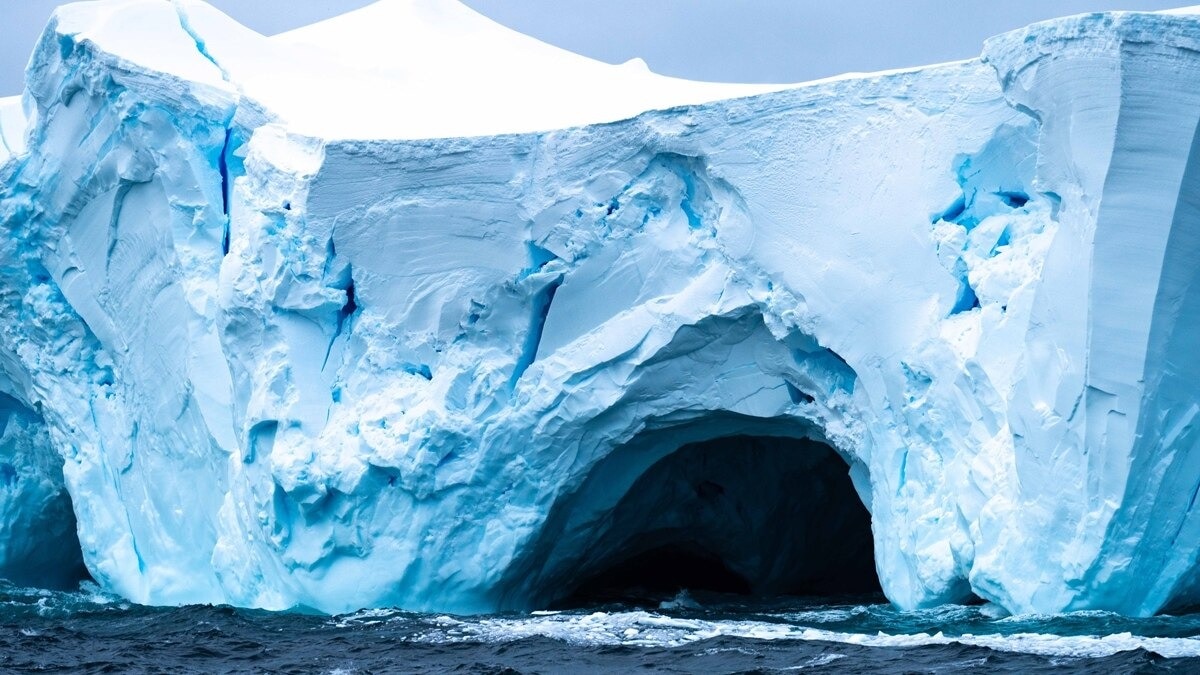
Two rare plants discovered in Antarctica possess unique genetic secrets that could revolutionize agriculture and protect global food supplies against extreme climate shifts.
- Two specific Antarctic plants exhibit extraordinary cold-resistance mechanisms.
- Their genetic blueprints could be used to engineer climate-resilient crops.
- The discovery offers a potential shield against global food insecurity caused by climate change.
Antarctica, long regarded as a frozen wasteland, is now revealing itself as a biological treasure trove. Recent scientific breakthroughs have highlighted two specific plant species that harbor genetic secrets capable of safeguarding the future of human civilization, particularly in the realm of agriculture.
These plants thrive in some of the most hostile conditions on Earth, enduring sub-zero temperatures and prolonged periods of darkness. Researchers have identified specialized 'anti-freeze' proteins and unique cellular membranes that prevent ice crystals from rupturing the plant's cells. Integrating these traits into commercial crops could eliminate the devastating effects of frost and unexpected cold snaps on global harvests.
Why This Matters
BozokMedia analysis shows that as climate volatility increases, the vulnerability of our current monoculture farming systems becomes more apparent. By leveraging the genetic resilience of Antarctic flora, scientists can develop 'super-crops' capable of surviving extreme weather fluctuations, thereby stabilizing the global food supply chain in an era of environmental instability.
"The evolutionary adaptation of Antarctic flora is a masterclass in survival, providing a blueprint for the next generation of resilient agriculture."
Historical Background
While Antarctic botany has been studied for decades, the focus was primarily on taxonomy and survival. However, the advent of CRISPR-Cas9 and advanced genomic sequencing has allowed scientists to move from observation to application. These plants have undergone millions of years of evolutionary pressure, resulting in a genomic structure that is fundamentally different from temperate flora.
Comparative Analysis: Standard Crops vs. Antarctic Plants
| Feature | Standard Crops | Antarctic Plants |
|---|---|---|
| Temperature Tolerance | Limited (Frost Sensitive) | Extreme (Sub-zero Stability) |
| Resource Requirement | High Water/Nutrients | Minimalist Resource Usage |
| Genetic Resilience | Lower (Pest/Weather Vulnerable) | Higher (Environmentally Hardened) |
Frequently Asked Questions
Q1: Can these plants be used in farming immediately?
A: No, this is currently in the research phase. The process of isolating genes and safely transferring them to other crops requires rigorous testing and regulatory approval.
Q2: Is this genetic modification safe for the environment?
A: Scientists are adhering to strict biosafety protocols to ensure that these enhancements do not disrupt existing ecological balances.