Indian astronaut Group Captain Shubhanshu Shukla reflects on his 20-day journey to the ISS, detailing how the vastness of the cosmos shifted his identity from a national citizen to a global resident.
- Group Captain Shubhanshu Shukla spent 20 days on the ISS as part of the Axiom-4 mission.
- Experiencing the 'Overview Effect' led him to identify as a resident of Earth rather than just India.
- Highlighted the potential of ISS's 98% water recycling technology for terrestrial use.
- Insights from Axiom-4 will serve as a critical foundation for India's Gaganyaan mission.
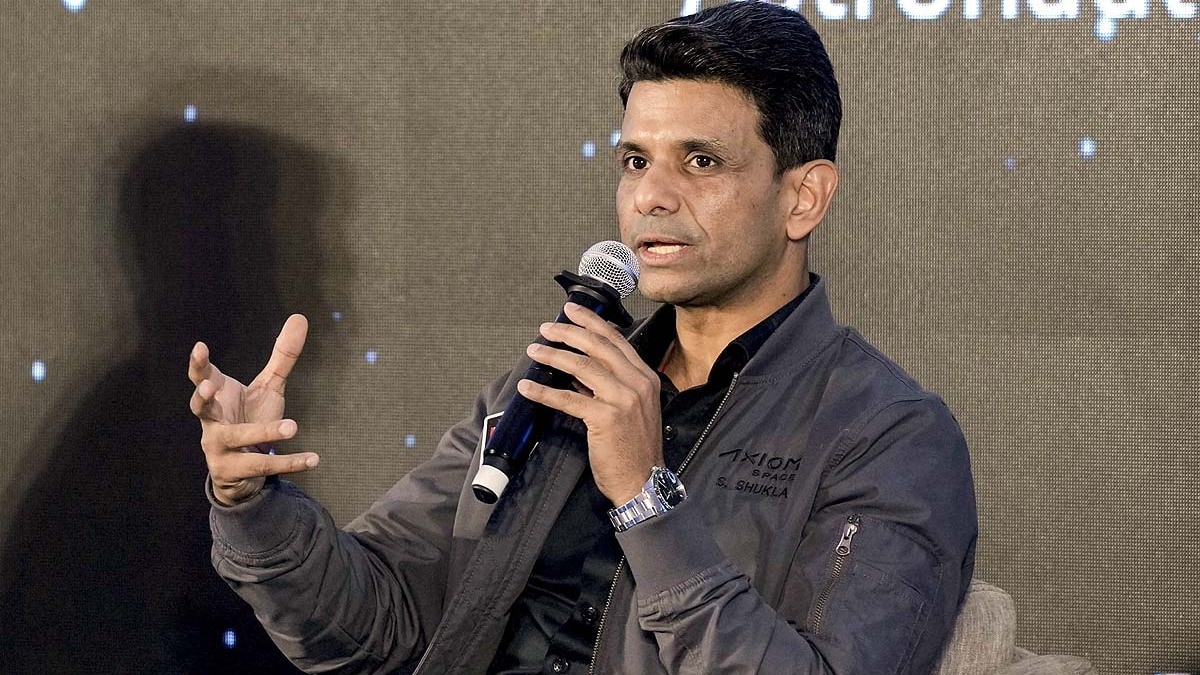
Group Captain Shubhanshu Shukla of the Indian Air Force, the second Indian to venture into space in over four decades, recently detailed his transformative 20-day journey aboard the International Space Station (ISS). In a comprehensive interview, Shukla revealed how the sheer scale of the universe and the fragile beauty of Earth viewed from orbit fundamentally altered his worldview.
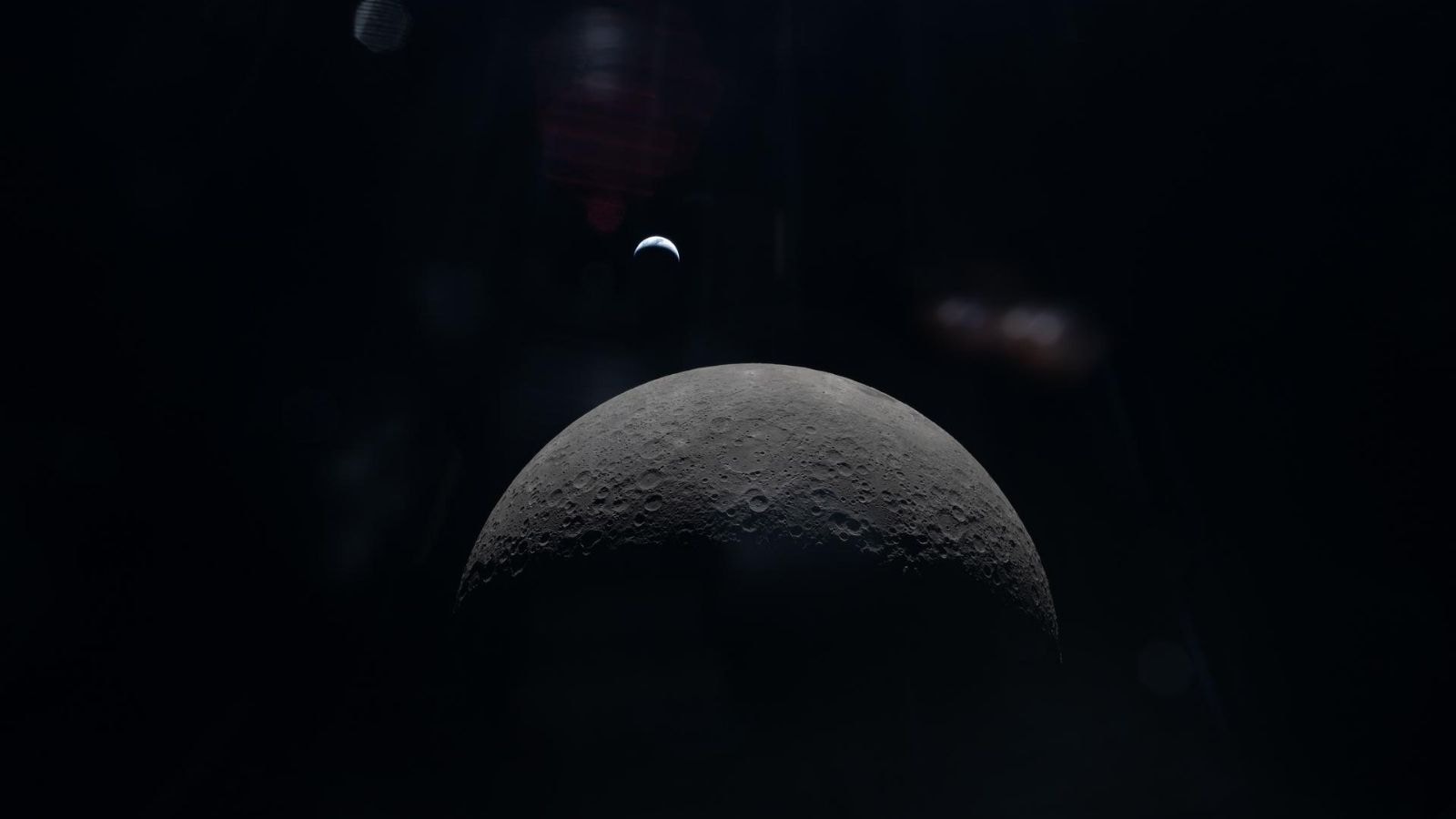
Shukla recounted the profound psychological shift he experienced while gazing at the planet from the ISS. He stated, 'I am not from India... I am from Earth.' This phenomenon, often referred to as the 'Overview Effect,' occurs when astronauts see the Earth as a tiny, borderless ball of life hanging in a void, fostering a deep sense of planetary kinship and an urgent need to protect the environment.
The Vastness of the Cosmos and Human Insignificance
Describing the scale of space, Shubhanshu noted that while Earth feels immense to us, it is a mere speck in the cosmic ocean. He shared a staggering comparison: approximately 1,300 Earths could fit inside the planet Jupiter. This realization, he explained, brings a sense of humility, rendering earthly conflicts and political boundaries insignificant in the face of infinite space.
Space travel is not merely a test of technical proficiency, but a journey of mental resilience and the expansion of human consciousness.
Gaganyaan vs. Axiom-4: The Technical Divide
While the Axiom-4 mission provided invaluable experience, Shukla emphasized its role as a precursor to India's indigenous Gaganyaan mission. He clarified that Axiom-4 was a privately coordinated effort utilizing SpaceX's Falcon 9 rocket and Crew Dragon spacecraft. In contrast, Gaganyaan represents India's leap toward total autonomy, with ISRO developing its own spacecraft, capsule, and launch infrastructure.
| Feature | Axiom-4 Mission | Gaganyaan Mission |
|---|---|---|
| Nature | Private/Collaborative | Fully Indigenous (ISRO) |
| Hardware | SpaceX Falcon 9 / Crew Dragon | ISRO Indigenous Capsule & Rocket |
| Primary Goal | Experiments & Experience on ISS | Demonstrating Human Spaceflight Capability |
Why This Matters
BozokMedia analysis shows that Shubhanshu Shukla's experience is a strategic asset for India. His training in managing 'Managed Crises' and operating within microgravity provides a practical blueprint for future Gaganyaan astronauts. Furthermore, his advocacy for adopting ISS-grade water recycling technology on Earth aligns with global sustainability goals, suggesting that space innovation can solve terrestrial crises.
Addressing Gen Z and Gen Alpha, Shukla warned against the pitfalls of 'choice overload' and digital distractions. He emphasized that achieving monumental goals requires long-term commitment and grit, noting that the visible success of space missions is usually the result of a decade of invisible hard work.
Frequently Asked Questions
Q1: What is the primary difference between the Gaganyaan and Axiom-4 missions?
A: Axiom-4 was a private mission using foreign hardware (SpaceX), whereas Gaganyaan is an entirely indigenous Indian mission developed by ISRO.
Q2: What multidisciplinary training do astronauts undergo?
A: Beyond flight training, astronauts are trained as doctors, scientists, and mechanics, gaining expertise in microbiology and emergency medical procedures.