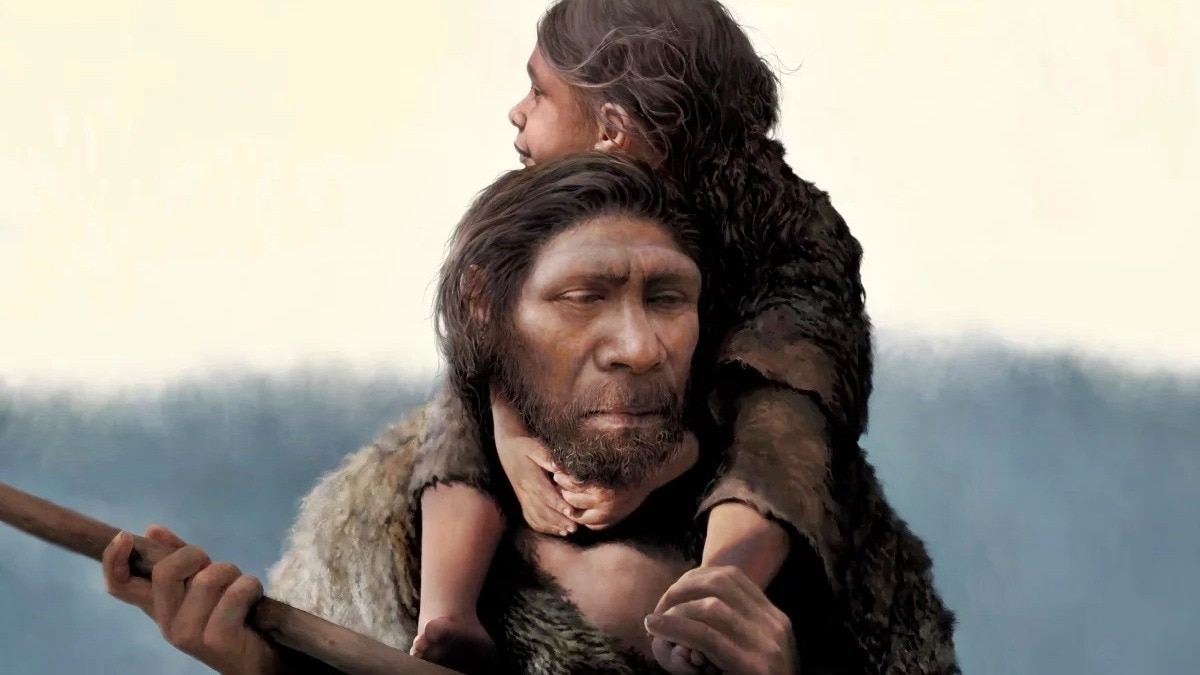
New scientific evidence suggests that the high-glucose energy provided by wild fruits and honey played a more pivotal role in the expansion of the human brain than previously credited to meat consumption.
- Glucose from fruits and honey provided the immediate energy needed for brain expansion.
- Challenges the long-held 'meat-centric' theory of human cognitive evolution.
- Highlights the importance of high-calorie foraging in early hominid survival.
For years, the prevailing scientific consensus has been that the consumption of calorie-dense meat and marrow allowed early humans to grow larger brains. However, a groundbreaking shift in research now suggests that the sweet rewards of nature—specifically wild fruits and honey—were the true catalysts for our cognitive leap.
The human brain is an energy-hungry organ. Despite its small size, it consumes a disproportionate amount of the body's total energy. Scientists argue that glucose, the primary fuel for neurons, was most readily available in high concentrations through honey and ripe fruits, providing the necessary 'spark' for neural complexity.
Why This Matters
BozokMedia analysis shows that this discovery pivots the narrative of human evolution from one of mere predation to one of strategic foraging. It suggests that the ability to locate and harvest seasonal sugars was a primary selective pressure that drove intelligence, spatial mapping, and social cooperation among early human groups.
"The metabolic demands of a growing brain required a consistent and high-density energy source that only nature's sweets could provide efficiently."
While protein and fats from meat provided the structural building blocks for the brain, the rapid-fire energy from fructose and glucose allowed for the development of higher-order thinking. This combination of a 'structural' diet (meat) and a 'fuel' diet (honey/fruit) created the perfect storm for the emergence of Homo sapiens.
Frequently Asked Questions
Q1: Does this mean meat was not important for brain growth?
Meat remained crucial for providing essential fatty acids and proteins, but honey and fruit provided the immediate caloric fuel required for brain function.
Q2: How does this change our view of early humans?
It portrays early humans as opportunistic foragers who balanced their diet between hunting and gathering to maximize energy efficiency.