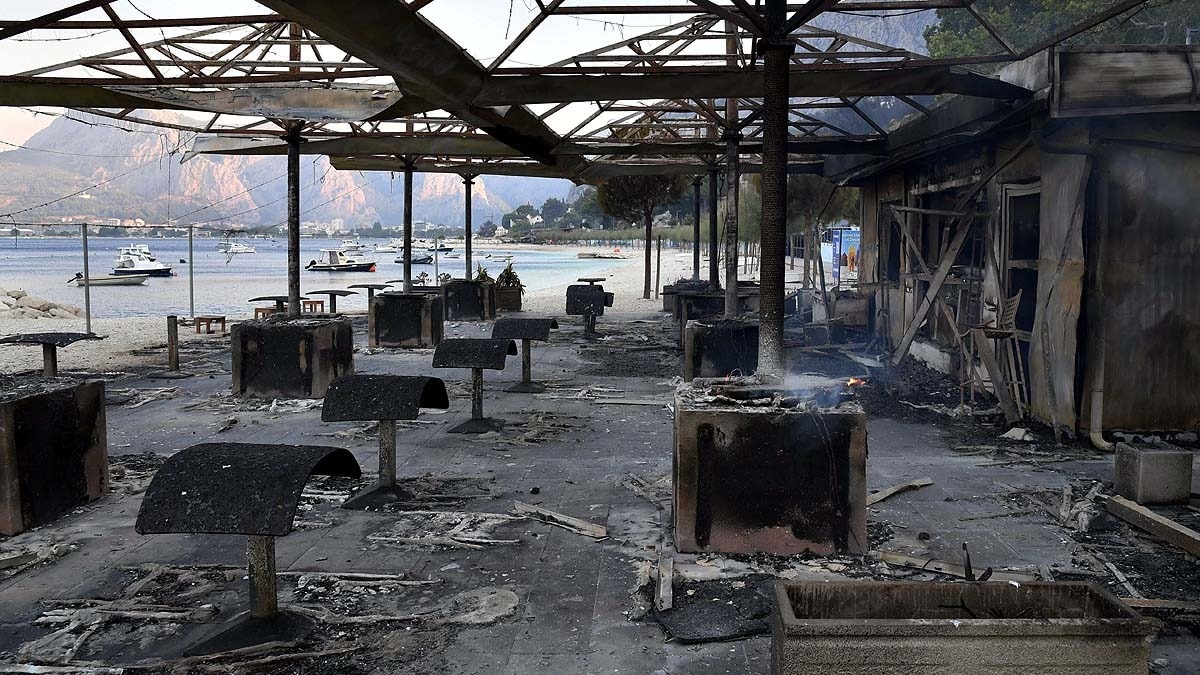
Severe heatwaves and prolonged droughts have turned European forests into tinderboxes, leading to devastating wildfires. In Croatia, one person has died and thousands have been displaced as the continent battles a climate-driven crisis.
- One fatality and dozens injured in massive wildfires near Omiš, Croatia.
- Over 254,000 hectares of land burned across the EU by July 22, 2026.
- Major outbreaks reported in Belgium, Greece, and Spain, threatening historical sites.
- Extreme temperatures reaching 39.7°C in Split, Croatia, exacerbating the crisis.
Europe is currently grappling with a catastrophic series of wildfires fueled by unprecedented heatwaves and arid conditions. In the coastal town of Omiš, Croatia, a fast-spreading forest fire has claimed at least one life and left dozens injured. The intensity of the blaze forced authorities to execute an emergency nighttime evacuation of approximately 2,000 residents from surrounding villages. The fire's path of destruction included not only vast tracts of woodland but also numerous residential homes and vehicles.
Hundreds of firefighters have been deployed to the scene, but they are fighting an uphill battle against nature. Slavko Tukaković, Croatia's Fire Chief, described the event as one of the largest wildfire incidents in the nation's history. The volatility of the situation is linked to extreme temperatures; in nearby Split, the mercury soared to 39.7 degrees Celsius this week, stripping the landscape of all moisture.
Why This Matters
BozokMedia analysis shows that these wildfires are no longer isolated incidents but a systemic failure of climate stability. When high temperatures persist alongside minimal rainfall, the organic matter in forests becomes highly combustible. This 'tinderbox effect' means that a single spark—whether natural or man-made—can trigger an uncontrollable inferno, threatening biodiversity and human infrastructure on a continental scale.
"The synergy of prolonged drought and record-breaking heat is transforming European forests into fuel, making traditional firefighting methods nearly obsolete."
Data from the European Union's Joint Research Centre (JRC) provides a grim perspective on the scale of the disaster. As of July 22, 2026, more than 254,000 hectares of land have been incinerated across the EU. The region has recorded 1,254 major wildfire events, a number that significantly exceeds historical averages for the same period.
The crisis extends far beyond the Croatian coast. In Belgium, a massive blaze affected approximately 3,000 hectares of land, necessitating large-scale evacuations. In Greece, hundreds of residents were forced to flee Salamis Island. Meanwhile, in Spain, wildfires have encroached upon ancient and historical sites, putting irreplaceable cultural heritage at risk.
| Country | Affected Area/Status | Primary Impact |
|---|---|---|
| Croatia | Omiš & Split | 1 Death, 2,000 Displaced |
| Belgium | Various Forest Zones | 3,000 Hectares Destroyed |
| Greece | Salamis Island | Mass Evacuations |
| Spain | Heritage Sites | Threat to Historical Monuments |
Scientists warn that the feedback loop of wildfires is accelerating global warming. As forests burn, they release massive quantities of stored carbon dioxide back into the atmosphere, further heating the planet and increasing the likelihood of future fires.
Frequently Asked Questions
Q1: What is the primary cause of the surge in European wildfires?
A: The combination of extreme heatwaves, prolonged drought, and the overarching effects of climate change has made forests highly flammable.
Q2: How much land has been lost in the EU so far in 2026?
A: According to the Joint Research Centre, over 254,000 hectares of land burned up to July 22, 2026.