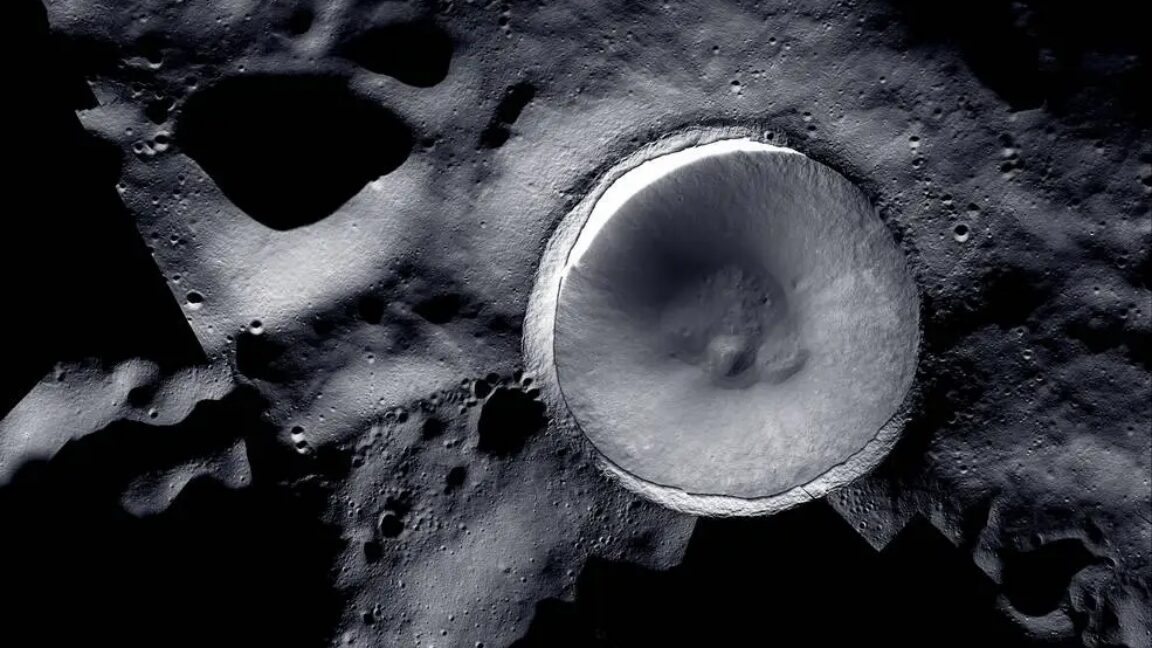
As China accelerates its lunar ambitions, the US faces a critical geopolitical challenge. Will China's space success signal the end of American unipolarity?
- China is racing to land humans on the Moon, potentially beating NASA.
- Space dominance is becoming a primary front for geopolitical supremacy.
- China's lunar exploration may lead to future territorial claims.
The Western space community is currently divided into two distinct schools of thought regarding China's rapid advancement. One side views China's potential to land humans on the Moon in the coming years as a direct challenge to the United States, while others struggle to define the true implications of this competition.
Some skeptics argue that the magnitude of the US achievement during the Apollo era—achieved nearly six decades ago—is unparalleled. They suggest that the long gap between the Apollo missions and current efforts highlights the unique historical significance of NASA's success. However, this perspective may be overlooking the shifting global landscape.
Why This Matters
BozokMedia analysis shows that the 21st century is defined by the economic and geopolitical rise of China. The world has transitioned from a unipolar system to a bipolar struggle for supremacy, with space emerging as the most critical new frontier. If China successfully lands humans on the Moon before the United States returns, it will be viewed as a massive geopolitical victory.
China's lunar success would serve as a powerful propaganda tool to declare itself the definitive superpower of this century.
From a strategic standpoint, this is more than a scientific race; it is a battle for global influence. Achieving lunar milestones allows China to claim that it has not only caught up to the United States but has effectively surpassed it in technological and organizational prowess.
Historical Background
The original Space Race of the 1960s was a contest between the US and the Soviet Union. While the US emerged victorious, the current race involves a much more complex web of economic interdependencies and a rapidly advancing Chinese aerospace sector that utilizes massive state investment to close the gap.
Frequently Asked Questions
Question 1: Can China claim territory on the Moon?
While international treaties prohibit sovereignty, China's presence in key lunar areas could create 'de facto' control over resources.
Question 2: What is the US response?
The US is currently executing the Artemis program to return astronauts to the lunar surface and establish a sustainable presence.