A detailed study of Theban Necropolis reveals a shift from individual coffin burials to the strategic reuse of ancestral sites for later interments.
- Tomb 209 in the Theban Necropolis shows a clear transition in burial habits.
- Early practices favored elaborate individual coffins, shifting later to site reuse.
- Flash flooding from Wadi Hatasun complicated the stratigraphic analysis of the site.
The Theban necropolis in Egypt, boasting over 400 tombs, serves as a critical archive for archaeologists seeking to decode the region's ancient history. A groundbreaking paper published in the journal Frontiers in Environmental Archaeology has outlined a significant evolution in Egyptian burial trends over several centuries. The research indicates a transition from individual burials housed in elaborate coffins to the systematic reuse of earlier burial sites for subsequent interments.
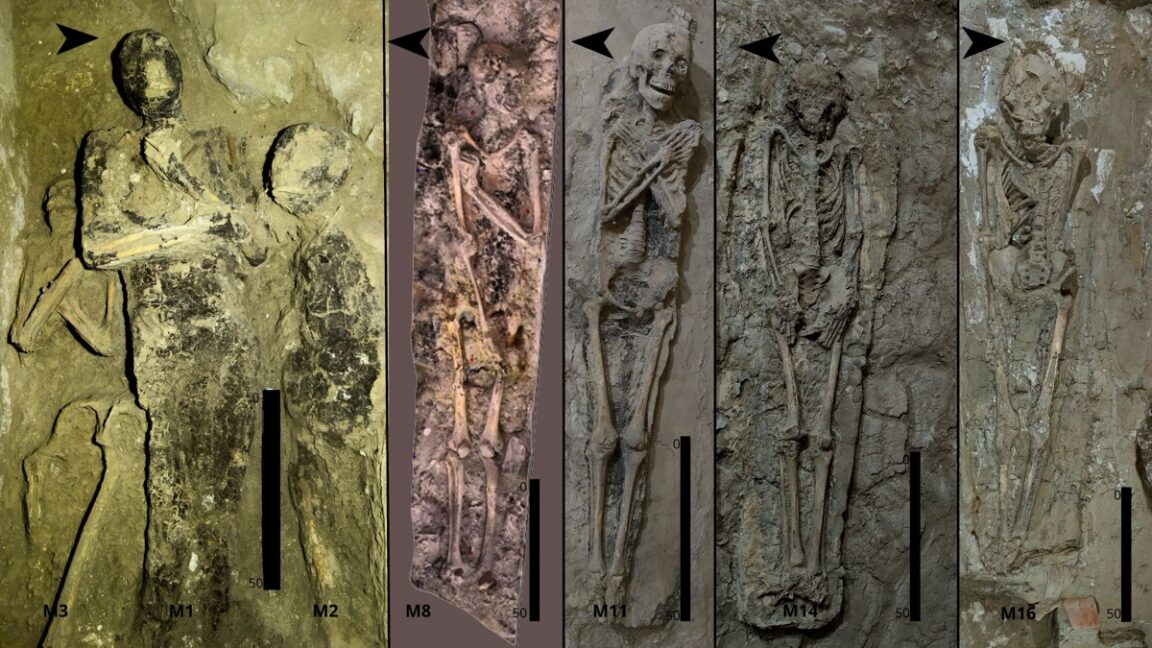
This shift led to a higher density of remains and the occasional superposition of bodies, where later burials were placed directly atop or beside earlier ones. The study specifically examined Tomb 209 in the western necropolis, which dates back to the early 25th Dynasty (754–656 BCE) and remained in use until its abandonment during the Ptolemaic period (305–30 BCE).
Why This Matters
BozokMedia analysis shows that this evolution reflects deeper socio-economic shifts within Egyptian society. The transition from exclusive, high-cost individual coffins to collective site reuse suggests a change in how the living interacted with the dead and how space was managed within the sacred necropolis. It points toward a pragmatism that balanced religious sanctity with the physical limitations of available burial land.
"The shift from individual coffins to the superposition of remains marks a fundamental change in the spatial and social organization of death in ancient Thebes."
The original owner of Tomb 209 was likely Nisemro, a high-ranking official of Nubian origin. To reconstruct the chronological sequence of burials, researchers employed an "integrated archaeothanatological approach." This involved synthesizing data on body positioning, coffin utilization, the layering of remains, and osteological analysis.
The researchers focused heavily on Side Chamber 3, one of the secondary areas of the tomb that remained largely undisturbed by looters. However, the site presented a unique geological challenge: its location within an active drainage channel of the Wadi Hatasun made it prone to repeated flash flooding, which disrupted the soil layers and complicated the archaeological mapping.
Frequently Asked Questions
Q1: Who was the original owner of Tomb 209?
A: The tomb originally belonged to Nisemro, a high official of Nubian origin.
Q2: What is an integrated archaeothanatological approach?
A: It is a method that combines body position, coffin use, and stratigraphic data with bone analysis to reconstruct how people were buried.