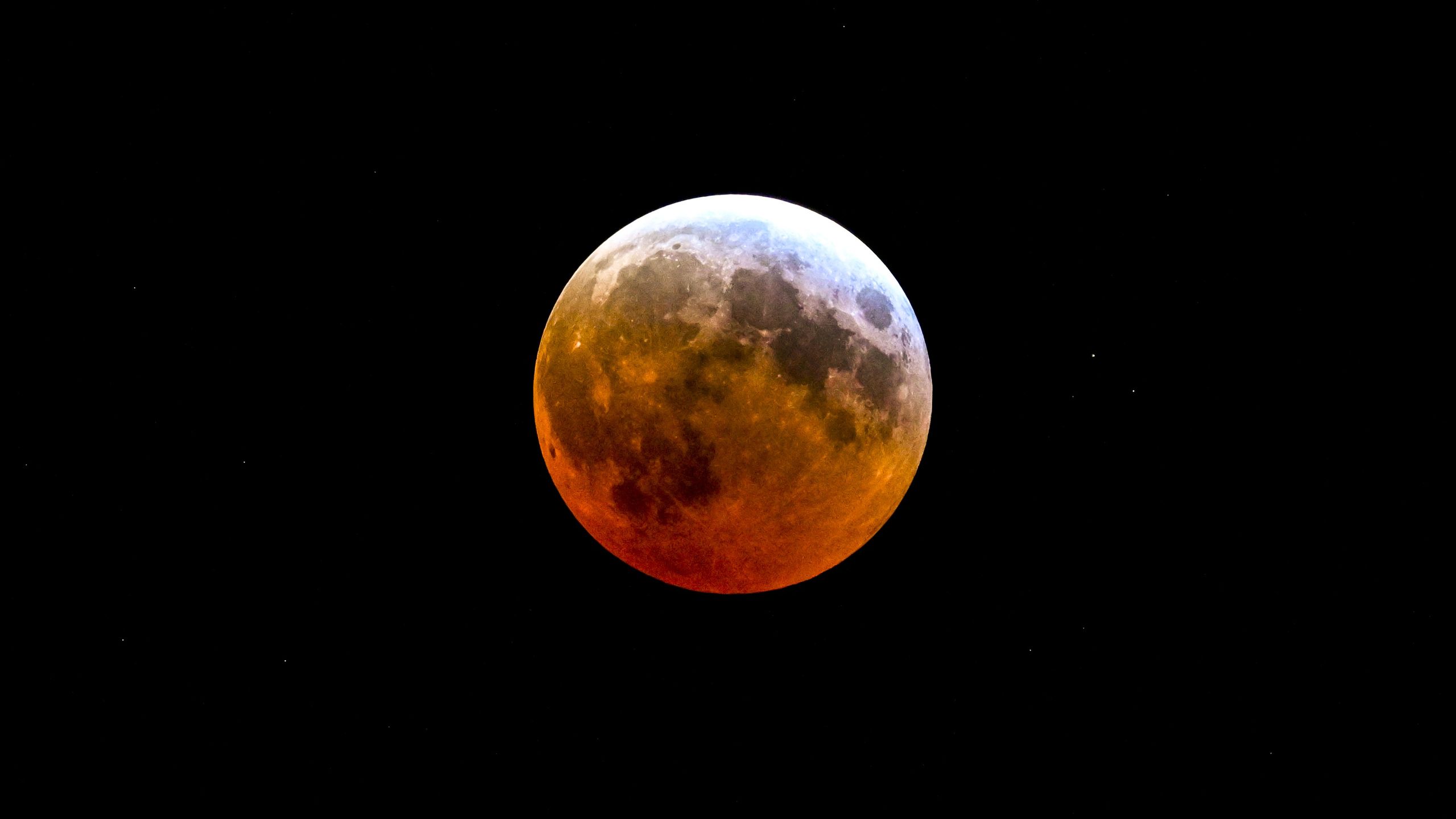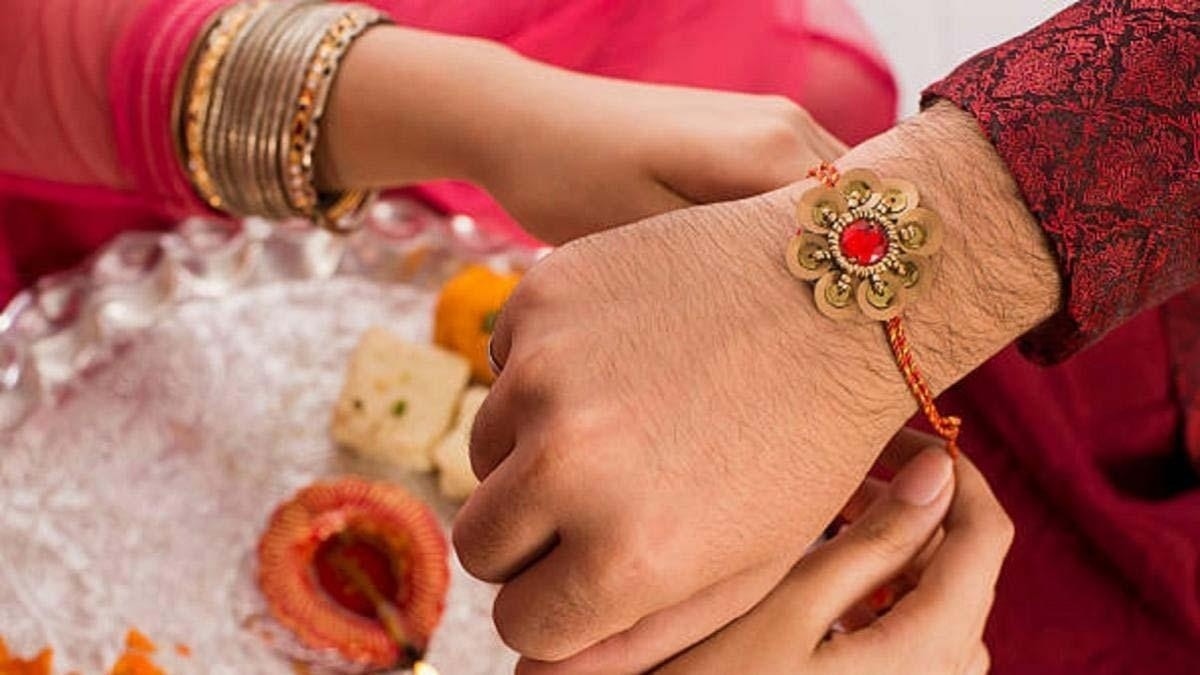
The final lunar eclipse of 2026 coincides with the festival of Raksha Bandhan. Learn whether the eclipse will be visible in India and if Sutak Kaal rules apply to the festivities.
- The final partial lunar eclipse of 2026 will occur on August 28.
- The eclipse will NOT be visible in India, making Sutak Kaal inapplicable.
- Rakhi tying can proceed normally, avoiding only Bhadra or Rahu Kaal.
The festival of Raksha Bandhan, symbolizing the eternal bond between brothers and sisters, is set to witness a unique celestial event in 2026. The second and final lunar eclipse of the year is scheduled to fall on the day of Shravan Purnima, leading to widespread queries regarding its impact on traditional rituals.
Timing and Astronomical Details of the 2026 Lunar Eclipse
According to astronomical calendars, this event will be a Partial Lunar Eclipse occurring on August 28, 2026. The eclipse is expected to begin at approximately 08:04 AM IST. The peak of the eclipse will occur around 09:42 AM to 09:43 AM, with the partial eclipse concluding at 11:21 AM. The penumbral phase will officially end by 12:31 PM.
Why This Matters
BozokMedia analysis shows that the intersection of significant astronomical events with major cultural festivals often leads to social anxiety regarding ritual purity. Understanding the visibility of such events is crucial to distinguishing between scientific phenomena and religious observance.
Since the lunar eclipse is not visible within the geographical boundaries of India, the religious restrictions of Sutak Kaal will not apply to the Indian subcontinent.
Visibility in India and the Validity of Sutak Kaal
A major concern for devotees is whether the Sutak Kaal—the period of spiritual impurity preceding an eclipse—will restrict auspicious activities. In Vedic traditions, Sutak is generally observed only when the eclipse is visible to the naked eye in a specific region. Since this eclipse occurs during the morning hours in India, it will be invisible in the country.
The eclipse will primarily be visible across Europe, Western Asia, Africa, North America, South America, and parts of the Pacific and Atlantic Oceans.
Raksha Bandhan Celebrations and Auspicious Timing
Because the eclipse lacks visibility in India, there is no need for concern regarding the sanctity of the festival. Sisters can perform the traditional ritual of tying the Rakhi without any hesitation. However, it is highly recommended to consult the Panchang to avoid Bhadra Kaal or Rahu Kaal, as these are considered inauspicious timings for any auspicious ceremony.
| Event Detail | Time/Status |
|---|---|
| Eclipse Start Time | 08:04 AM IST |
| Peak Eclipse Time | 09:42 AM IST |
| Eclipse End Time | 11:21 AM IST |
| Visibility in India | Not Visible |
| Sutak Kaal (India) | Not Applicable |
Frequently Asked Questions
1. Is it forbidden to tie Rakhi during the eclipse?
No, because the eclipse is not visible in India, the Sutak rules do not apply. You can celebrate Raksha Bandhan normally.
2. In which zodiac sign will this eclipse occur?
The eclipse will occur near the Aquarius (Kumbh) sign and the Shatabhisha/Dhanishta Nakshatra.