Discover the fascinating phenomenon of embryonic diapause, where animals like kangaroos and bears hold their pregnancy in check until conditions are perfect for survival.
- Embryonic diapause allows animals to postpone embryo implantation.
- This strategy ensures offspring are born during periods of food abundance.
- Key species include kangaroos, bears, armadillos, and seals.
The animal kingdom is rife with extraordinary survival mechanisms that seem almost science-fiction in nature. One of the most profound biological phenomena is the ability of certain species to effectively 'hit the pause button' on their pregnancy. This process, scientifically known as embryonic diapause, allows fertilized eggs to remain dormant within the uterus rather than implanting immediately.
The Science of Survival Strategy
Embryonic diapause is not a biological error but a highly evolved reproductive strategy. By withholding implantation, animals can wait for optimal environmental cues—such as seasonal changes, food availability, or social conditions—before committing the massive energy required for gestation and nursing. BozokMedia analysis shows that this mechanism is critical for species living in unpredictable or harsh environments.
Why This Matters
For many species, timing is everything. A birth during a harsh winter or a period of famine can lead to the death of both the mother and the offspring. By synchronizing birth with resource peaks, these animals maximize the survival probability of their lineage, ensuring that the next generation enters a world of plenty rather than scarcity.
Nature has engineered these species with a sophisticated internal clock to ensure that life begins only when the odds of success are highest.
A Closer Look at the Specialists
From the deserts to the frozen tundras, here are the eight remarkable animals that master this technique:
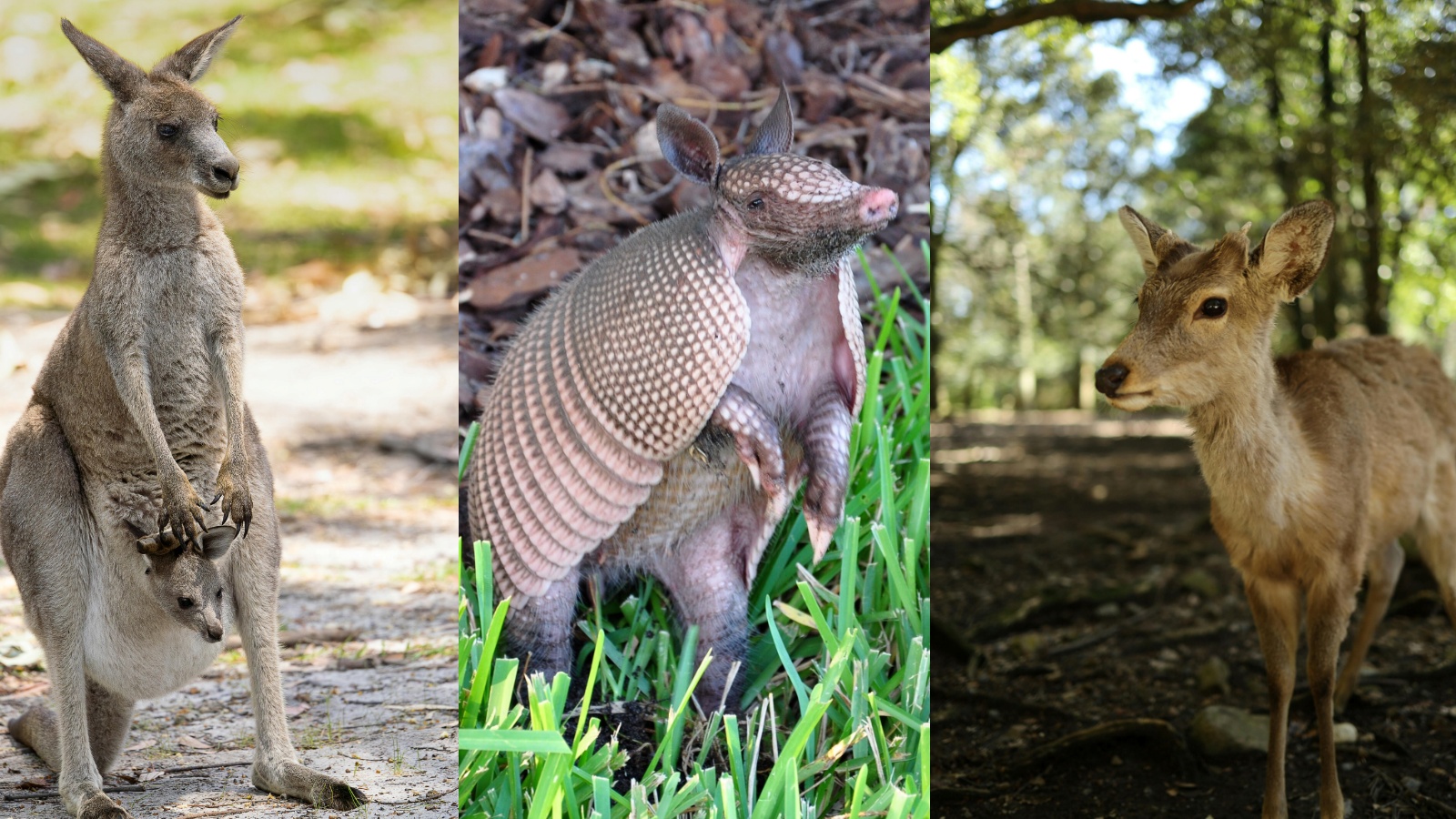
- Kangaroos: Female kangaroos can pause embryo growth if they are already nursing a joey, ensuring resources are not overstretched.
- Mustelids (Weasels, Minks, Otters): These predators can suspend development for up to 11 months to align births with prey booms.
- Bears (Polar, Brown, Black): Bears use diapause to ensure cubs emerge during hibernation cycles, minimizing energy expenditure.
- Seals and Sea Lions: These marine mammals time their births to coincide with peak fish migrations.
- Badgers: European badgers can delay implantation for nearly a year to ensure spring births when earthworms are plentiful.
- Armadillos: The nine-banded armadillo uses a delay to ensure pups are born during the wet season, often resulting in quadruplets.
- Roe Deer: They maintain a five-month diapause to ensure fawns are born in the lush greenery of spring.
- Wolverines: Tundra survivors that wait for peak prey seasons before allowing embryos to implant.
Frequently Asked Questions
1. What triggers the end of embryonic diapause?
Triggers typically include changes in day length, nutritional status, or the presence of other offspring.
2. Is this common in all mammals?
No, it is a specialized adaptation found in specific groups of animals adapted to seasonal or unpredictable environments.