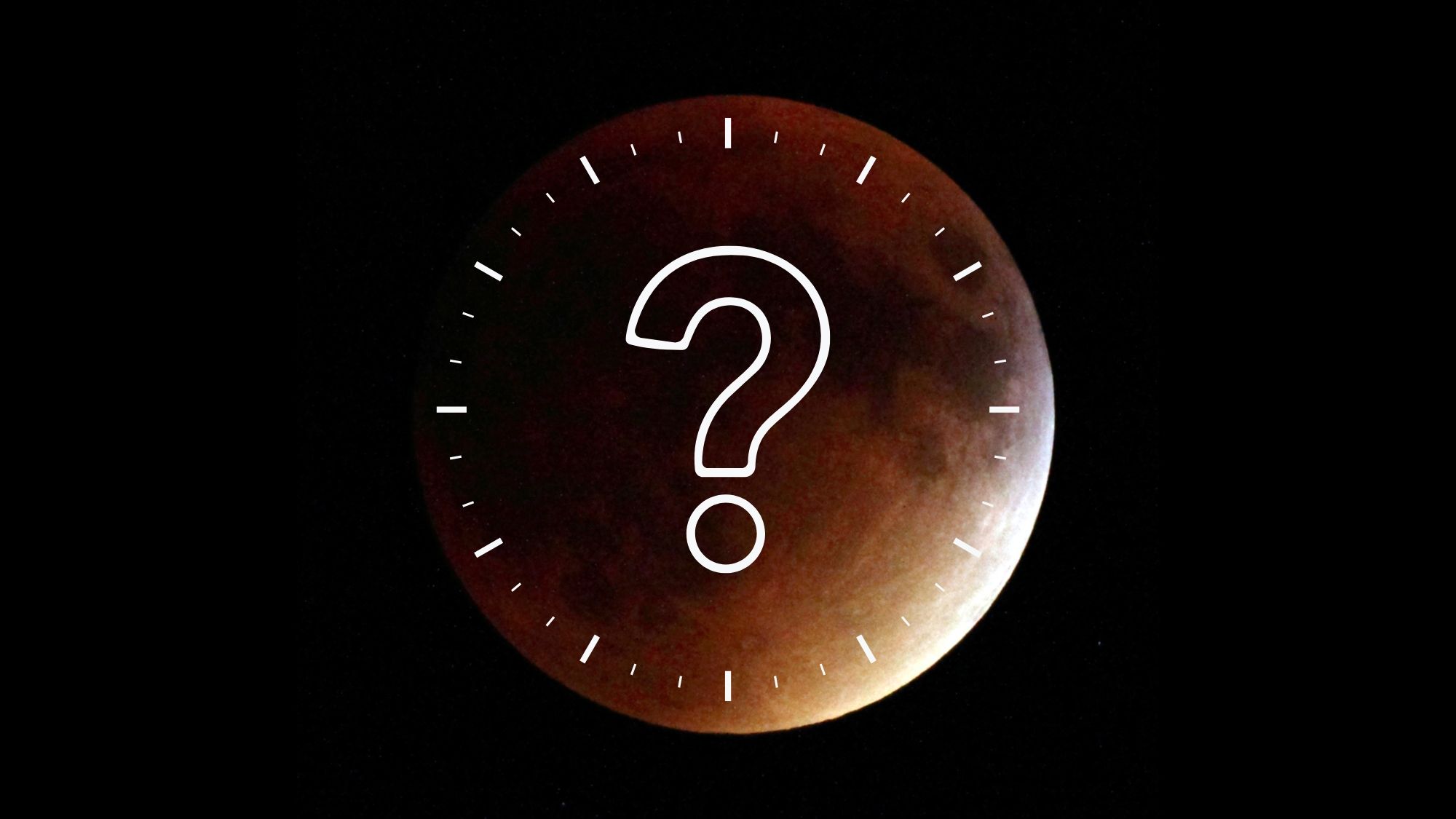
A dramatic partial lunar eclipse is set to occur on August 27-28, with 96.2% of the lunar surface entering Earth's shadow. Skywatchers can expect an eerie reddish-orange glow across the moon.
- A deep partial lunar eclipse will occur on Aug 27-28.
- At peak, 96.2% of the moon will be covered by Earth's umbra.
- The moon will likely take on a reddish-orange 'Blood Moon' hue.
- Visible primarily from the Americas, Europe, and Africa.
Prepare your telescopes and clear skies, because a dramatic celestial event is approaching. On August 27-28, a deep partial lunar eclipse will take place, characterized by almost the entire lunar surface slipping into Earth's dark umbral shadow. This phenomenon is expected to create a stunning visual effect, often referred to as an 'almost blood moon.'
Eclipse Timings and Phases
The eclipse will progress through several distinct stages. The event begins as the moon enters Earth's faint outer shadow (penumbra) and moves into the much darker central shadow (umbra).
- Penumbral Start: Aug 27, 9:23 p.m. EDT.
- Partial Eclipse Begins: Aug 27, 10:33 p.m. EDT.
- Maximum Eclipse: Aug 28, 12:12 a.m. EDT (96.2% coverage).
- Partial Phase Ends: Aug 28, 1:51 a.m. EDT.
- Total Penumbral End: Aug 28, 3:01 a.m. EDT.
Why This Matters
BozokMedia analysis shows that such deep partial eclipses are significant scientific and visual events. Because 96.2% of the moon is covered, the light refraction through Earth's atmosphere will cast a deep crimson color, providing a rare opportunity for both amateur and professional astrophotographers to capture high-contrast lunar imagery.
The sheer scale of the umbral coverage makes this one of the most visually striking partial eclipses of the year.
Viewing Guide and Visibility
The visibility of this event depends heavily on your geographic location. North and South America are positioned perfectly to witness the entire progression. For those in Europe, the eclipse will occur in the early morning hours of August 28, with the moon setting shortly after the maximum phase. Africa will also have significant viewing opportunities.
Historical Background
Lunar eclipses have been documented since antiquity. They occur when the Earth aligns perfectly between the Sun and the Moon. The 'red' color seen during such eclipses is caused by Rayleigh scattering—the same phenomenon that makes sunsets red—where Earth's atmosphere filters out blue light and bends the red light toward the moon.
Frequently Asked Questions
1. Do I need special equipment to see the eclipse?
No, the naked eye is sufficient. However, binoculars or a telescope will provide a much more detailed view of the shadow's edge.
2. Why does the moon turn red?
The red color is caused by Earth's atmosphere scattering sunlight, allowing only the longer red wavelengths to pass through and reach the lunar surface.