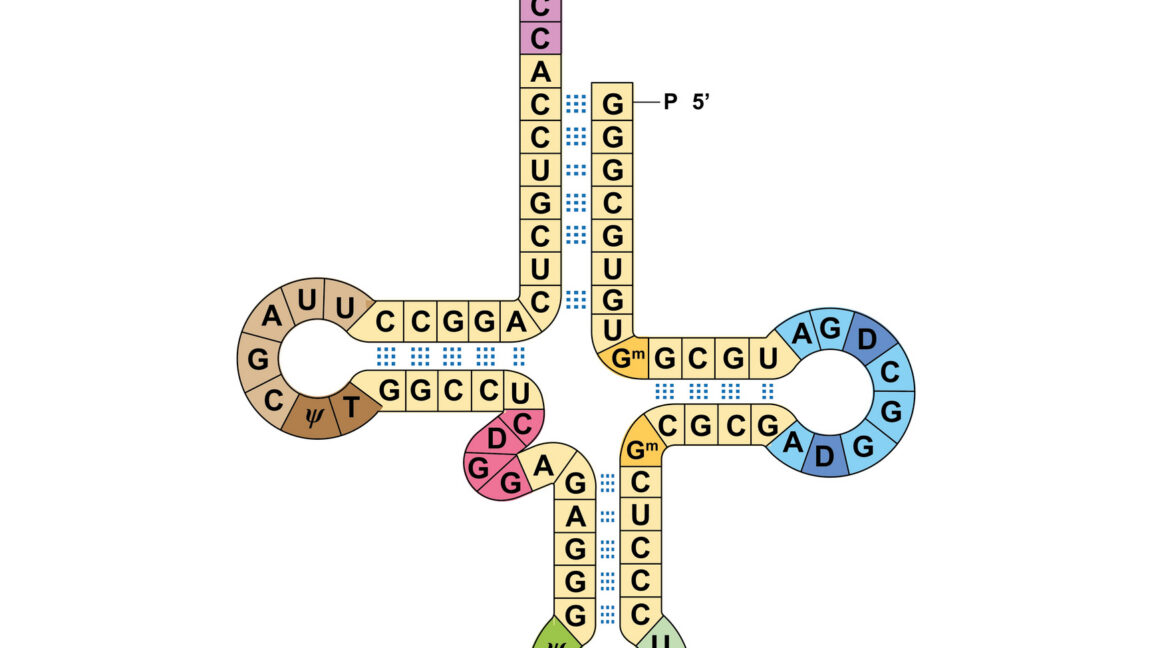
In a massive leap for synthetic biology, scientists have discovered a way to run two separate genetic codes at once, bypassing the need to re-engineer entire genomes.
- Scientists have found a way to operate two separate genetic codes simultaneously.
- This method avoids the need to re-engineer every gene in a bacterial genome.
- The breakthrough could significantly accelerate synthetic biology and protein design.
The genetic code is the universal language of life, translating DNA information into the specific protein sequences that drive every biological function. Because nearly all life on Earth shares this code, altering it has historically been an incredibly complex and risky endeavor, as it threatens the fundamental stability of the cell.
Previous attempts to expand the genetic repertoire involved adding new amino acids to bacterial cells. However, these methods were cumbersome, often requiring scientists to painstakingly re-engineer every single gene within a bacterial genome to prevent cellular failure. This 'slog' limited the speed and scale of biological innovation.
Why This Matters
BozokMedia analysis shows that this discovery represents a monumental shift in how we approach synthetic biology. By operating two separate codes at once, researchers can introduce new biological functions without disrupting the essential existing processes that keep the cell alive.
The ability to run dual genetic systems provides a programmable platform for creating entirely new forms of biological matter.
While the research has not yet been tested within a living, functional cell—which may present its own set of biological challenges—the creative solution offers a roadmap for future experiments. This dual-track approach allows for the synthesis of proteins that were previously impossible to create in nature.
Historically, the uniformity of the genetic code across all domains of life suggests it was established in the last common ancestor of all living things. This study challenges the notion that this code is an unalterable blueprint, suggesting instead that it can be expanded through sophisticated engineering.
Frequently Asked Questions
Question 1: What is the main challenge with changing genetic codes?
Answer: Most cellular processes are hard-wired to the existing code, so changes can cause systemic failure.
Question 2: How does this help synthetic biology?
Answer: It allows for the creation of custom proteins with new properties without breaking the cell's existing machinery.