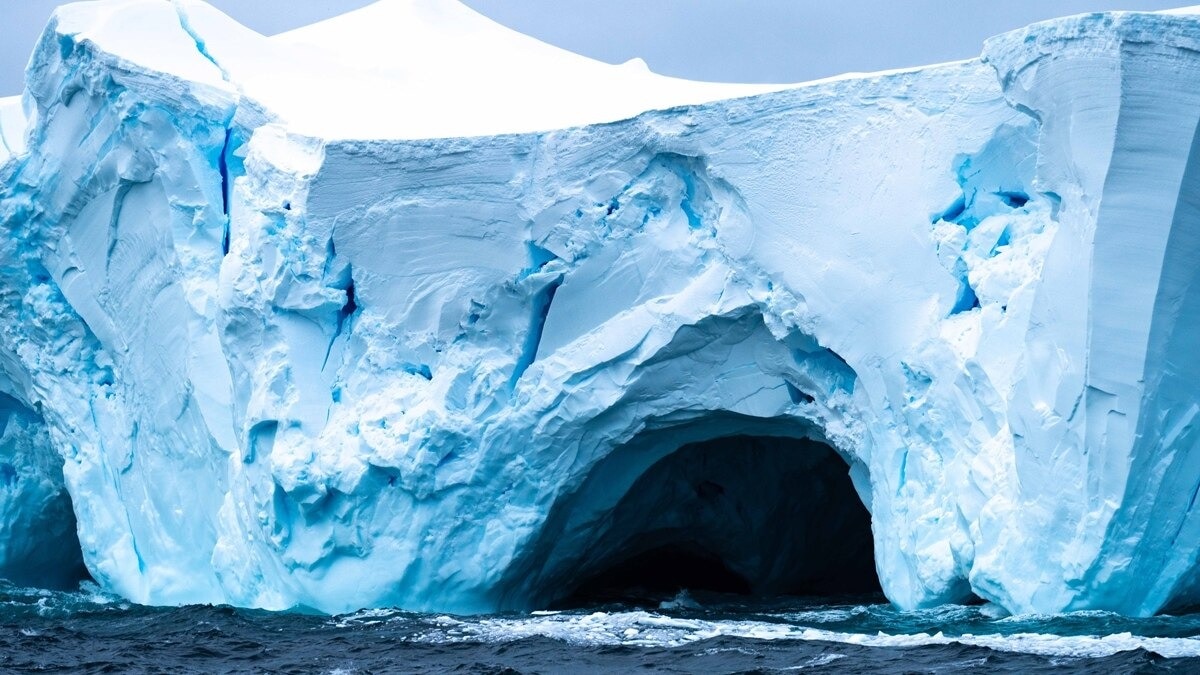
A groundbreaking new study warns that melting glaciers due to climate change could lead to the creation of more than 50,000 new lakes globally. These expanding bodies of water pose significant risks of catastrophic flooding to downstream communities and infrastructure.
Key Takeaways
- Over 50,000 new lakes could form due to retreating glaciers.
- These lakes significantly increase the risk of Glacial Lake Outburst Floods (GLOFs).
- High Mountain Asia is identified as one of the most vulnerable regions.
In a stark warning regarding the accelerating impacts of climate change, scientists have revealed that melting glaciers are on track to form more than 50,000 new lakes in regions currently covered by ice. This dramatic transformation of the landscape is expected to redraw maps of mountain ranges and pose severe threats to human settlements in the valleys below.
The Birth of New Ecosystems and Hazards
As global temperatures rise, ancient glaciers are retreating at an alarming rate. The meltwater collects in depressions and valleys previously occupied by ice, creating new lakes. While these lakes will eventually become new ecosystems, the initial phase of their formation is highly unstable. The volume of water accumulating behind loose moraines (piles of rock and sediment) creates a ticking time bomb for nearby populations.
Why This Matters
BozokMedia analysis shows that the formation of these lakes represents a dual threat: a shift in freshwater availability and an immediate physical danger. Unlike natural lakes that form over centuries, these glacial lakes can appear rapidly. The concern is not just the existence of the water, but the potential for the dams containing them to fail, leading to violent, instantaneous floods.
"The formation of these lakes represents a ticking time bomb for mountain communities, which often have very few resources for disaster management."
The Risk of Catastrophic Flooding
The primary danger identified by researchers is the phenomenon known as Glacial Lake Outburst Floods (GLOFs). When a glacial lake breaches its boundaries, millions of cubic meters of water can rush down narrow mountain valleys, destroying everything in its path. This includes hydropower projects, bridges, and entire villages. The study highlights that regions lacking the infrastructure to monitor these lakes are at the highest risk.
| Before (Ice Covered) | After (New Lakes) |
|---|---|
| Stable geography | Unstable water bodies |
| Slow melting process | Rapid water accumulation |
| Low disaster risk | High flood risk (GLOF) |
Frequently Asked Questions
Q: What is the primary danger of these new lakes?
A: The main danger is Glacial Lake Outburst Floods (GLOFs), which are sudden, massive floods caused by the failure of glacial dams.
Q: Can we prevent the formation of these lakes?
A: While we cannot easily stop glaciers from melting, engineers can create drainage channels to lower water levels and reduce the pressure on unstable dams.