A rare partial lunar eclipse will occur on August 27, obscuring approximately 93 percent of the moon’s surface. This celestial event, often referred to as a 'Blood Moon' due to its reddish hue, promises a stunning visual display. This article provides peak times and essential tips for the best viewing experience.
- A partial lunar eclipse and 'Blood Moon' will be visible on August 27.
- Approximately 93% of the moon will be covered by Earth's shadow, casting a reddish-orange hue.
- The Americas will offer the best viewing locations for this celestial event.
- No special eye protection is needed to observe a lunar eclipse.
- Binoculars or telescopes can significantly enhance the viewing experience, but it's visible to the naked eye.
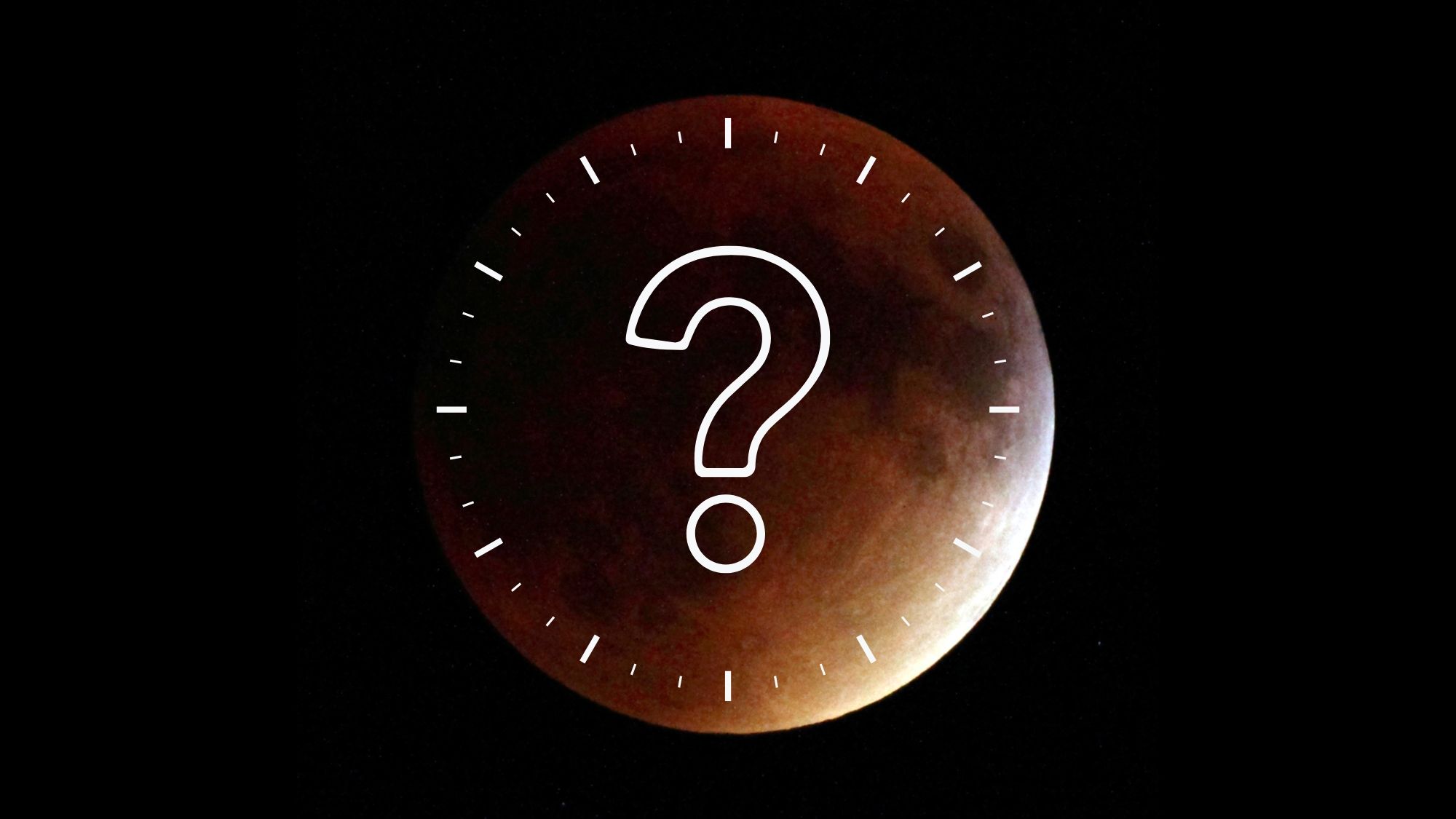
If you missed the spectacular solar eclipse earlier this month, you have a chance to catch another stunning astronomical phenomenon: a partial lunar eclipse and 'blood moon' that will occur on Thursday night into Friday early morning on August 27. Earth’s shadow will cover nearly all of the bright lunar disk and will cast a reddish or orange hue on the moon’s surface.
The partial phase will last about three hours and 18 minutes. At its peak, it will have a threshold magnitude of 0.93, meaning that approximately 93 percent of the moon’s diameter will be within the darkest part of Earth’s shadow. This event presents an exceptional opportunity for astronomy enthusiasts to marvel at the universe's beauty.
What Causes a Blood Moon?
During a lunar eclipse, the moon usually takes on reddish tones. If the eclipse is total, it’s called a blood moon. The reason? Sunlight passes through Earth’s atmosphere before hitting the moon’s surface. During that passage, some of that light—specifically the blue wavelengths—is filtered out by the atmosphere, leaving only the red end of the spectrum to reach the moon. The eclipse will be full enough that the effect will be pronounced.
"It’s as if all of the world’s sunrises and sunsets are projected onto the moon," explains NASA.
Historical Context and Cultural Significance
Lunar eclipses have consistently been sources of wonder and curiosity throughout human history. In ancient civilizations, eclipses were often interpreted as omens, harbingers of divine wrath, or precursors to significant events. Many cultures hold myths and legends associated with lunar eclipses, viewing them as powerful and mystical phenomena. While modern science has unveiled the mechanics behind these events, their beauty and rarity continue to captivate us. These celestial displays serve as a reminder of our place in the cosmos and inspire us to appreciate the grand cosmic dance.
How Can You Best View a Lunar Eclipse?
Unlike solar eclipses, you don’t need special eye protection to observe lunar eclipses. You can look directly at the moon during all phases of the event. However, a few tips can significantly enhance your viewing experience:
- Escape Light Pollution: Get away from brightly lit urban areas and try to find an unobstructed view of the sky. The roof or terrace of a house can be a good observation spot.
- Plan Ahead: Pick out your spot to set up before the eclipse reaches its maximum extent. Observing earlier will allow you to appreciate how Earth’s shadow gradually advances across the lunar surface.
- Utilize Optics: If you have binoculars or a telescope, you should absolutely grab them. They’ll allow you to see more details of the moon and the advancing shadow across its surface.
- Observe Surrounding Stars: As the moon's brightness dims during the lunar eclipse, the stars surrounding it will become easier to make out. Near the peak of the eclipse, it’s worth putting down your binoculars or telescope for a few minutes to gaze at the entire sky.
Why This Matters
BozokMedia analysis shows that astronomical events not only spark scientific interest but also foster public science education and cosmic awareness. Events like the 'Blood Moon' offer people a chance to look beyond their daily lives and contemplate the vastness of the universe. This particular event is significant as it will be widely visible across North and South America, allowing millions to experience an unforgettable celestial display. It reignites our collective curiosity for science and nature.
Frequently Asked Questions
- Is a partial lunar eclipse as impressive as a 'Blood Moon'?
Yes, even though it's not a total eclipse, with a magnitude of 0.93, a significant portion of the moon will be in Earth's shadow, making the 'Blood Moon' effect pronounced and offering a truly impressive sight.
- Can I still watch the eclipse if the weather is cloudy in my city?
If your area is cloudy, you can still watch the eclipse online via livestreams provided by various astronomical websites and platforms, such as Time and Date's livestream.