A devastating glacial collapse in Nepal has claimed nearly 1,000 lives, validating grim warnings from scientists about the rapidly melting Hindu Kush Himalaya. This tragedy highlights the lethal intersection of climate change and mountain instability.
- Over 903 lives lost and 2,500 missing due to a massive ice-rock avalanche near the Nepal-Tibet border.
- ICIMOD reports reveal glaciers in the HKH region lost 12% of their area between 1990 and 2020.
- Glacier mass loss nearly doubled after the year 2000, increasing the risk of GLOFs (Glacial Lake Outburst Floods).
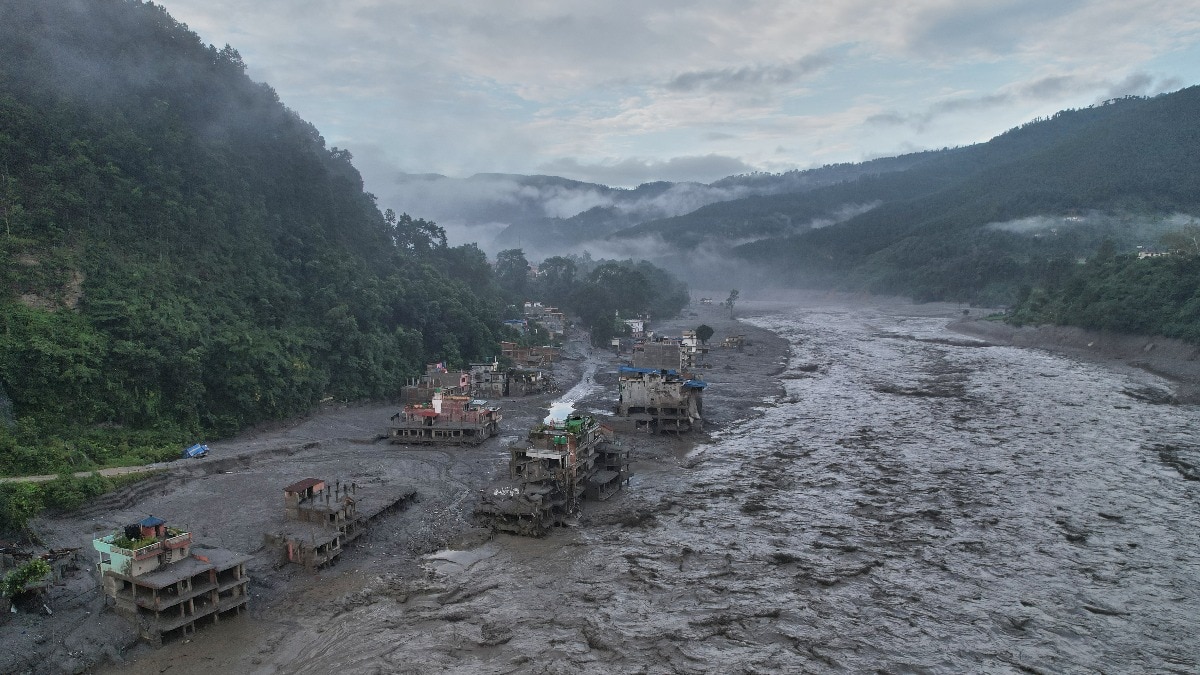
The catastrophe that struck Nepal on August 26 was not a random act of nature, but the culmination of decades of environmental degradation. A massive wall of water, ice, and rock tore through the Bhotekoshi and Trishuli river systems, obliterating entire settlements and critical infrastructure. While initial reports suspected an earthquake, subsequent analysis by the US Geological Survey (USGS) and the International Centre for Integrated Mountain Development (ICIMOD) confirmed a glacial collapse followed by a debris flow.
The scale of the disaster is staggering, with at least 903 confirmed deaths and thousands still missing. The event serves as a brutal reminder that the "Third Pole"—the Hindu Kush Himalaya (HKH)—is in a state of precarious instability. The timing of the tragedy is particularly poignant, as it follows two major scientific reports that explicitly warned of the region's vulnerability.
Why This Matters
BozokMedia analysis shows that this event is a systemic failure of global climate action rather than a localized weather event. The HKH region acts as the water tower for Asia, feeding the Ganga, Brahmaputra, and Indus rivers. When these glaciers destabilize, it doesn't just threaten mountain villages; it threatens the food and water security of billions of people across South Asia. The transition from 'prediction' to 'reality' is now complete.
The accelerating retreat of Himalayan glaciers is transforming stable mountain slopes into ticking time bombs of ice and rock.
Data from ICIMOD's report, "Changing Dynamics of Glaciers in the Hindu Kush Himalayan Region from 1990 to 2020," indicates that the pace of glacier loss accelerated sharply after 2010. Furthermore, the HKH Glacier Outlook 2026 revealed that 89% of recorded glacier-wide mass-balance years were negative, meaning the glaciers are shrinking far faster than they can replenish.
This crisis exposes a profound global injustice. Nepal, a nation with a negligible carbon footprint, is paying the ultimate price for the industrial emissions of developed global powers. The communities on the front lines are facing the immediate lethality of a warming world they did not create.
| Metric | 1990 - 2000 Period | Post-2000 Period |
|---|---|---|
| Glacier Mass Loss | Steady Decline | Nearly Doubled |
| Risk Level | Moderate/Predictable | High/Cascading Events |
| Area Loss (Total) | Gradual | 12% Total Loss (by 2020) |
Frequently Asked Questions
Q1: Was the Nepal disaster caused by an earthquake?
No, while initially suspected, experts from USGS and ICIMOD confirmed it was a glacial collapse and ice-rock avalanche.
Q2: What is a GLOF?
A Glacial Lake Outburst Flood (GLOF) occurs when a dam containing a glacial lake fails, releasing massive amounts of water and debris downstream.