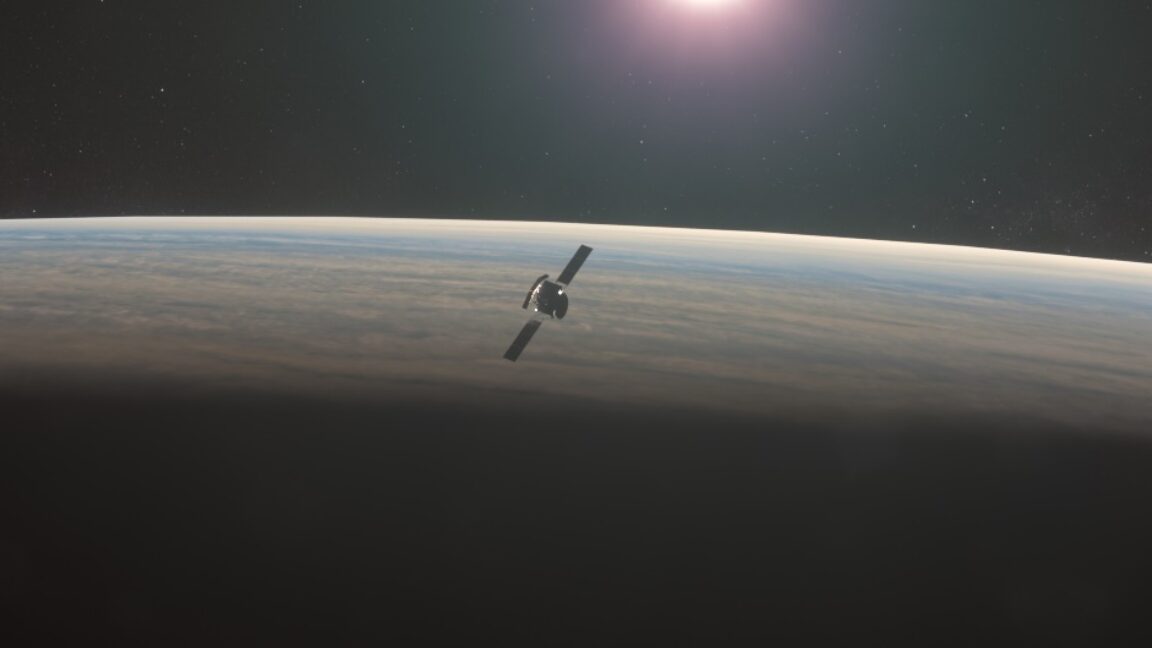
NASA is preparing to launch the Nancy Grace Roman Space Telescope, a powerhouse instrument designed to map the universe's dark energy and directly image distant exoplanets with unprecedented precision.
- Direct imaging of exoplanets to study planetary atmospheres.
- Wide-field infrared survey to decode the mysteries of dark energy.
- Field of view 100 times greater than the Hubble Space Telescope.
The Nancy Grace Roman Space Telescope represents the next giant leap in human astrophysics. While the James Webb Space Telescope (JWST) acts as a 'deep-dive' instrument focusing on specific targets, the Roman telescope is designed for 'wide-angle' surveys. This means it can capture massive swaths of the sky in a single image, allowing astronomers to conduct statistical surveys of the universe on a scale never before possible.
The Quest for Dark Energy
One of the primary missions of the Roman telescope is to investigate dark energy, the mysterious force driving the accelerated expansion of the universe. By measuring the shapes and distributions of billions of galaxies, the telescope will help scientists understand how the cosmic web has evolved over billions of years. This data is crucial for determining the ultimate fate of our universe—whether it will expand forever or eventually collapse.
Direct Imaging of Exoplanets
Unlike most telescopes that detect planets by watching them pass in front of their stars (the transit method), the Roman telescope will utilize a coronagraph. This advanced technology blocks out the blinding light of a star, allowing the telescope to 'directly' image the orbiting planets. This capability is a game-changer for identifying habitable worlds and analyzing the chemical composition of alien atmospheres.
Why This Matters
BozokMedia analysis shows that the Roman telescope fills a critical gap in our observational toolkit. By combining the sensitivity of JWST with a massive field of view, NASA is essentially moving from a 'microscope' view of space to a 'wide-lens' map. This synergy will likely lead to the discovery of thousands of new galaxies and a deeper understanding of the 'dark' sector of physics.
The Roman telescope doesn't just see further; it sees wider, turning the cosmic puzzle into a complete picture.
Historical Background
The telescope is named after Nancy Grace Roman, often called the 'Mother of Hubble.' Her leadership at NASA in the 1960s and 70s was instrumental in the development of the Hubble Space Telescope. By naming this new mission after her, NASA honors the legacy of a woman who fundamentally changed how we view the cosmos.
| Feature | Hubble Telescope | Roman Telescope |
|---|---|---|
| Field of View | Narrow/Deep | Ultra-Wide |
| Primary Focus | Visible/UV Light | Infrared Survey |
| Main Goal | Galaxy Evolution | Dark Energy & Exoplanets |
Frequently Asked Questions
Q1: How is the Roman telescope different from James Webb?
While JWST looks deeply at a small area, Roman looks broadly at a massive area, acting as a survey tool.
Q2: Can it find life on other planets?
While it cannot 'see' life, its ability to image exoplanets directly helps scientists find the chemical signatures of habitability.