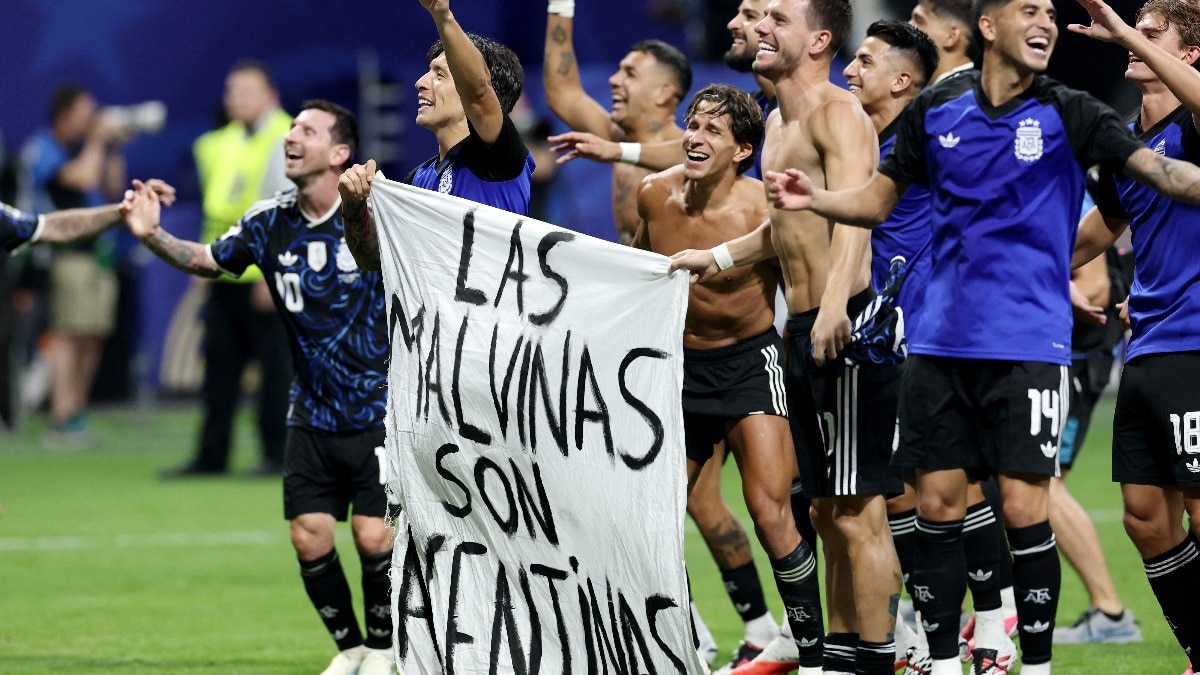
The United Kingdom has asked FIFA to probe the political banner displayed by Argentine players after their semi‑final victory over England. Business Secretary Peter Kyle called the act "entirely inappropriate" and demanded a full investigation.
Key Takeaways
- Argentina displayed a banner claiming the Falkland Islands after beating England.
- UK Business Secretary Peter Kyle labeled the gesture inappropriate and asked FIFA to investigate.
- FIFA's stadium code bans political or divisive messages at World Cup venues.
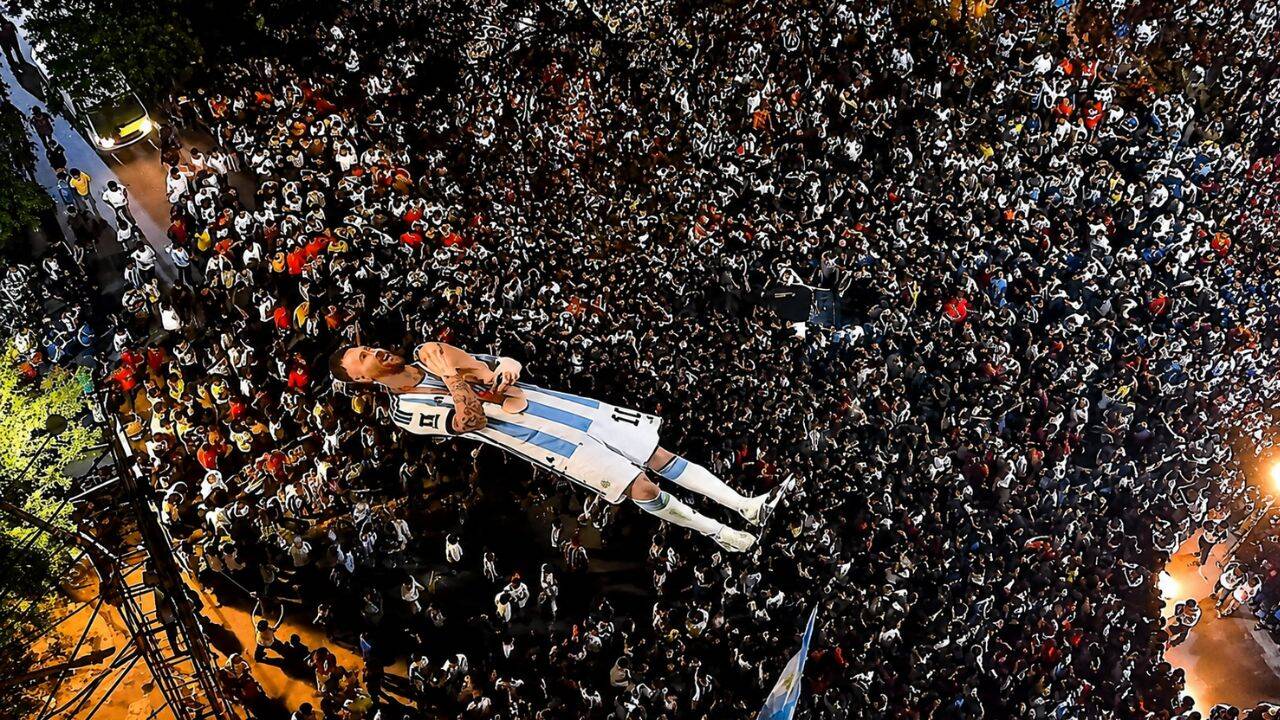
After a 2‑1 triumph over England in Atlanta, Argentine players lifted a banner reading "Las Malvinas son Argentinas" – the Spanish phrase asserting that the Falklands belong to Argentina. The banner was handed to them by local supporters and unfurled immediately after the final whistle.
British Business Secretary Peter Kyle condemned the act as "entirely inappropriate" and emphasized that "politics must be separate from football." He told the BBC that the matter now lies with FIFA, urging a thorough investigation under the tournament's regulations.
Historical Background
The Falkland Islands, known in Argentina as Las Malvinas, are a British Overseas Territory situated roughly 480 km off Argentina’s coast and about 13,000 km from the United Kingdom. Britain seized the islands in 1833, while Argentina claims the occupation was illegal and asserts sovereignty dating back to the early 19th century.
The dispute escalated into the 1982 Falklands War, a ten‑week conflict that resulted in 649 Argentine military deaths, 255 British service members, and three civilian casualties. Britain ultimately retained control, but the legacy of the war continues to shape diplomatic relations and national identities on both sides.
Why This Matters (इसके मायने क्या हैं)
According to BozokMedia analysis, political expressions on the football field risk reigniting long‑standing geopolitical tensions, placing both players and spectators under heightened psychological pressure. If FIFA does not enforce its own rules, other nations may feel emboldened to showcase contested territorial claims, eroding the sport’s global neutrality.
Moreover, the economic stakes are significant. A World Cup marred by political controversy can jeopardize sponsorship deals, broadcast rights, and tourism revenues, especially if certain markets choose to boycott the event. Upholding strict political‑neutrality safeguards not only the sport’s integrity but also its commercial viability.
"FIFA must enforce its stadium code without exception; otherwise the very essence of fair play is compromised," – James Corde, international sports law expert.
Frequently Asked Questions (अक्सर पूछे जाने वाले प्रश्न)
Can FIFA ban the banner? Yes. FIFA’s stadium code explicitly prohibits political or discriminatory messages, allowing the governing body to sanction the Argentine Football Association if a violation is confirmed.
What happens if FIFA takes no action? Inaction could set a precedent for other nations to display similar political symbols, potentially turning future tournaments into stages for geopolitical posturing rather than pure sport.