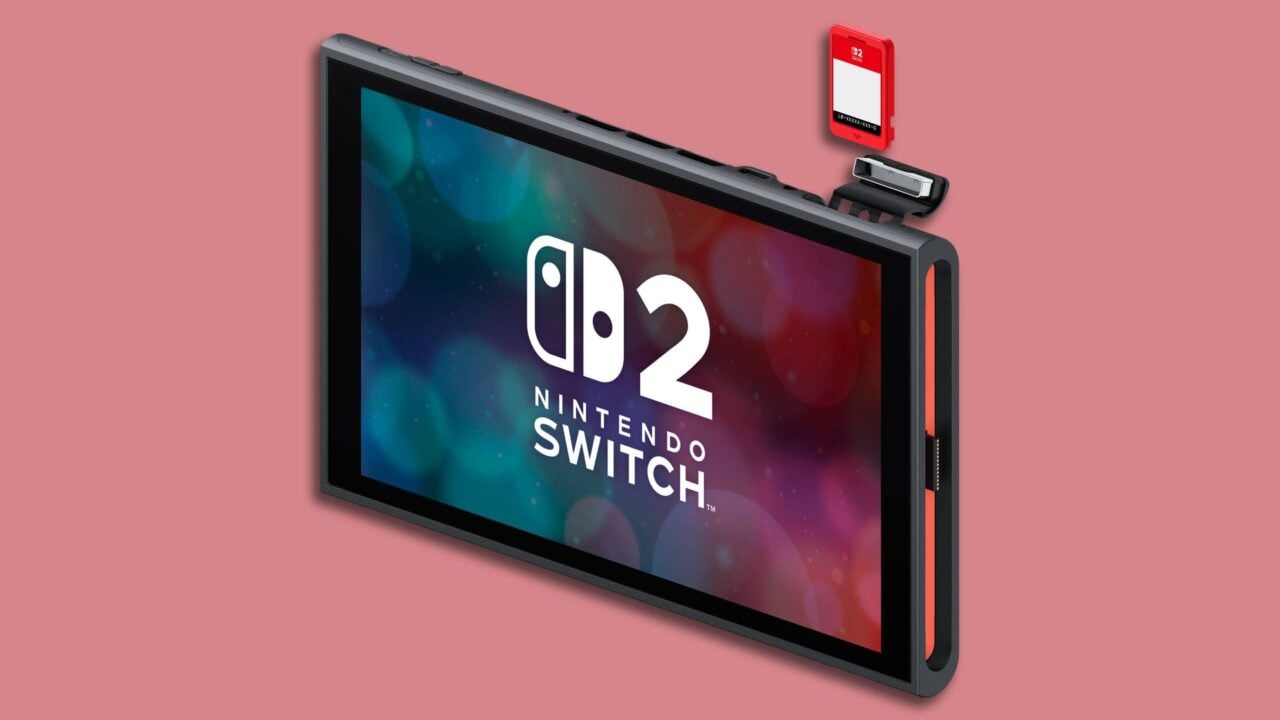
Sources in South Korea suggest Samsung is developing a brighter OLED display for Nintendo's upcoming Switch 2, even as component costs push the device’s price upward. The partnership could reshape the handheld gaming market and consumer expectations.
Key Takeaways
- Samsung is reportedly prototyping a brighter OLED screen for Nintendo Switch 2.
- Higher component costs could lead to a price increase for the new console.
- The collaboration may shift market share and elevate user experience across both brands.
Multiple reputable Korean sources have reported that Samsung Electronics, a global leader in OLED panel manufacturing, is engineering a next‑generation, high‑brightness display for Nintendo’s anticipated Switch 2 handheld console. This news rekindles excitement among gamers and industry analysts, especially after the original Switch’s 2017 launch, which relied on Samsung’s early‑generation OLED panels but faced criticism for limited brightness and sub‑optimal outdoor visibility.
Technical Background
Samsung’s OLED portfolio has evolved dramatically over the past decade, moving from smartphone screens to premium televisions and now to high‑performance laptop displays. Its latest Super‑AMOLED (SA‑OLED) panels deliver up to 600–800 nits of peak brightness, deep blacks, and rapid response times—attributes that are crucial for a portable gaming device. Integrating such panels into the Switch 2 could potentially boost brightness by 30‑40% compared to the current LCD‑based models, while also improving color accuracy and reducing motion blur.
Impact of Rising Costs
Despite their performance advantages, premium OLED panels remain costlier than conventional LCDs, particularly at larger sizes. Market analysts estimate that the Switch 2’s launch price could be 10‑15% higher than the original’s, reflecting the increased bill of materials. This price pressure may affect price‑sensitive markets, but Nintendo’s historic focus on value‑for‑money suggests the company will aim to balance the premium hardware with a competitive retail price.
Market and Competitive Landscape
In the broader console arena, Microsoft’s Xbox Series X and Sony’s PlayStation 5 dominate the home‑console segment, while Nintendo has carved a niche in portable gaming. A brighter OLED Switch 2 could reinforce Nintendo’s distinct positioning, offering a compelling alternative to cloud‑gaming services from Google, Amazon, and Microsoft. Moreover, Samsung’s involvement could deepen its role as a key supplier for gaming hardware, potentially opening doors for future collaborations in handheld or hybrid devices.
Future Outlook
Until an official announcement from Samsung or Nintendo, details remain speculative. Nonetheless, the reported development signals a strategic investment in higher‑resolution, faster‑refresh‑rate, and energy‑efficient displays—features that align with evolving consumer expectations. Should the partnership materialize, it could set a new benchmark for handheld gaming, forcing rivals to adopt comparable OLED technologies to stay competitive.