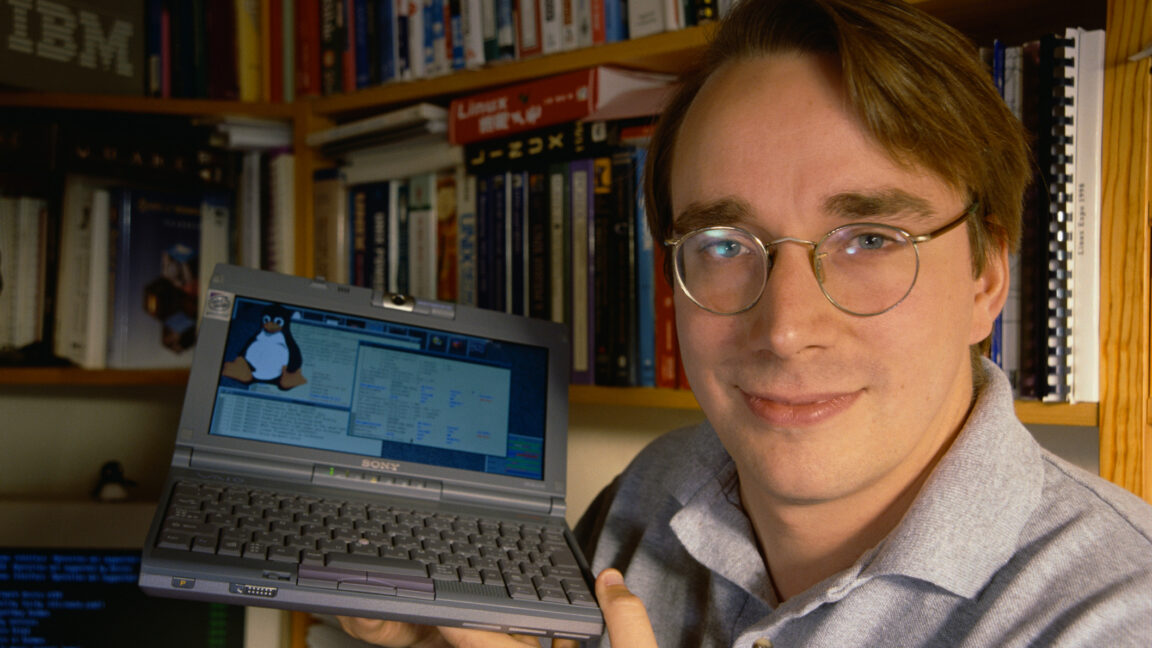
Linus Torvalds has firmly rejected calls to ban AI tools in Linux kernel development. In a blunt mailing list post, he told critics who oppose AI-generated code to 'fork it' or leave the project.
Key Takeaways
- Linus Torvalds supports the integration of AI tools into the Linux kernel workflow.
- Critics of AI in coding were told to 'fork' the project if they disagree.
- The debate centers around 'Sashiko', an AI tool with a 53.6% bug detection rate but notable false positives.
The creator of the Linux kernel, Linus Torvalds, has issued a definitive stance on the use of artificial intelligence in open-source development, effectively silencing critics who demand a ban on AI-generated code. In a lengthy and candid post on the Linux kernel mailing list this week, Torvalds made it clear that the Linux project will not align itself with the 'anti-AI' movement. His statement underscores a growing philosophical divide in the tech community between those embracing generative AI and traditionalists wary of its implications.
The Philosophy of Open Source
Torvalds' response was characteristically blunt, rooted in the fundamental ethos of open-source software. When discussing the opposition to AI tools, he stated that Linux is not a project hostile to AI innovation. He offered a direct solution to detractors: they can exercise the ultimate open-source right—to 'fork' the kernel and create their own version without AI, or simply 'walk away.' This highlights the core freedom of the open-source model: no one is forced to contribute to or use a project that does not align with their personal ethical or technical standards.
The Sashiko Controversy
The immediate catalyst for this discussion was 'Sashiko,' an agentic AI system designed for Linux kernel code review. Proponents argue that Sashiko represents the future of quality assurance, citing tests where it independently identified 53.6% of bugs that were later fixed by human developers. However, the tool is not without flaws. Maintainers have raised concerns about 'false positives,' where the system flags non-existent bugs, potentially wasting valuable developer time. Estimates suggest these false alarms occur within a 20% range. Torvalds' willingness to tolerate such friction in exchange for the potential efficiency gains signals a pragmatic approach to modernizing the kernel's development workflow, prioritizing progress over ideological purity.