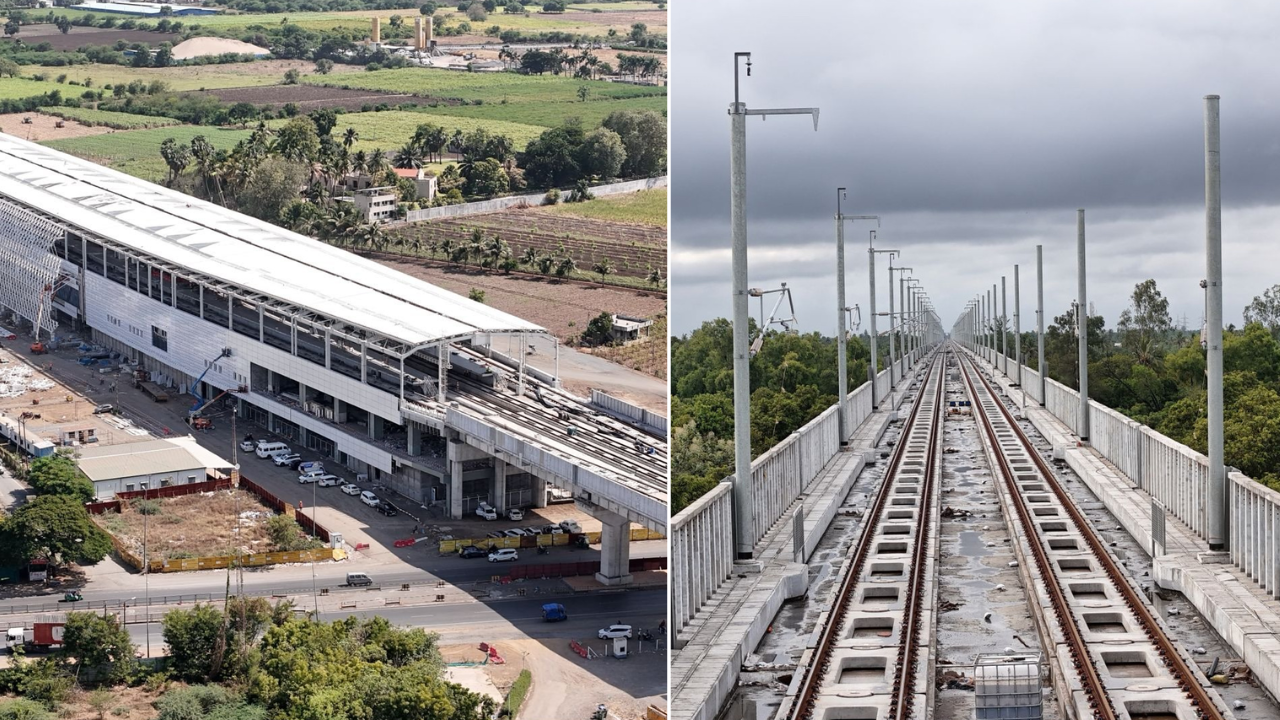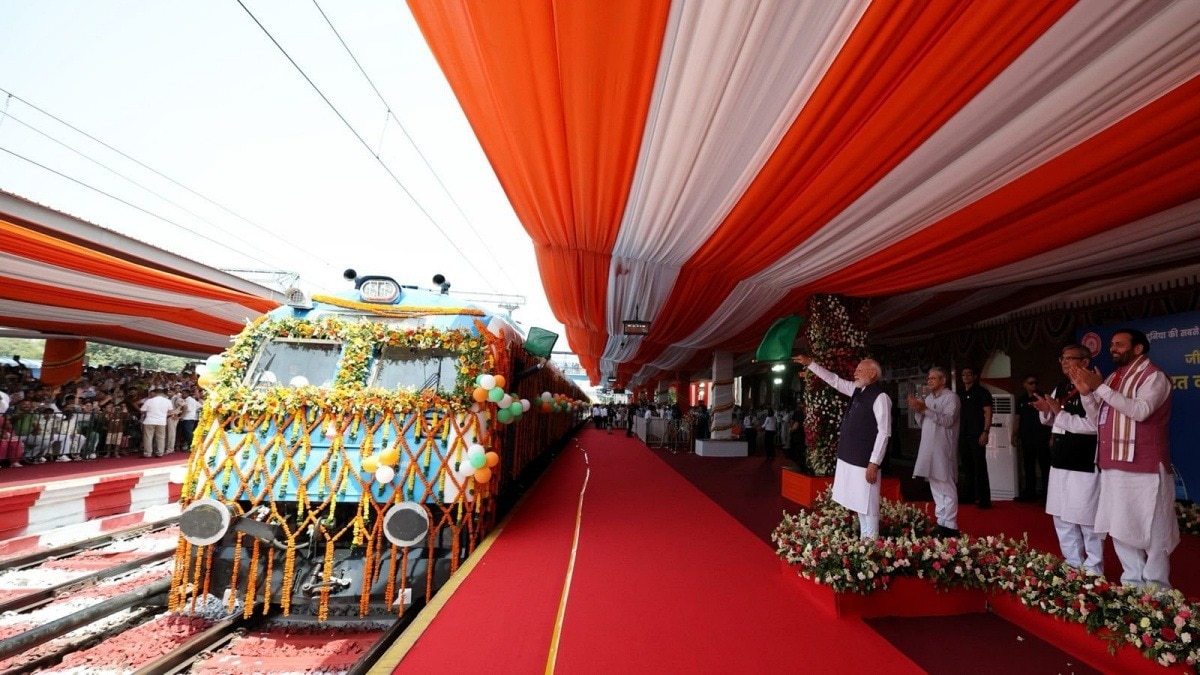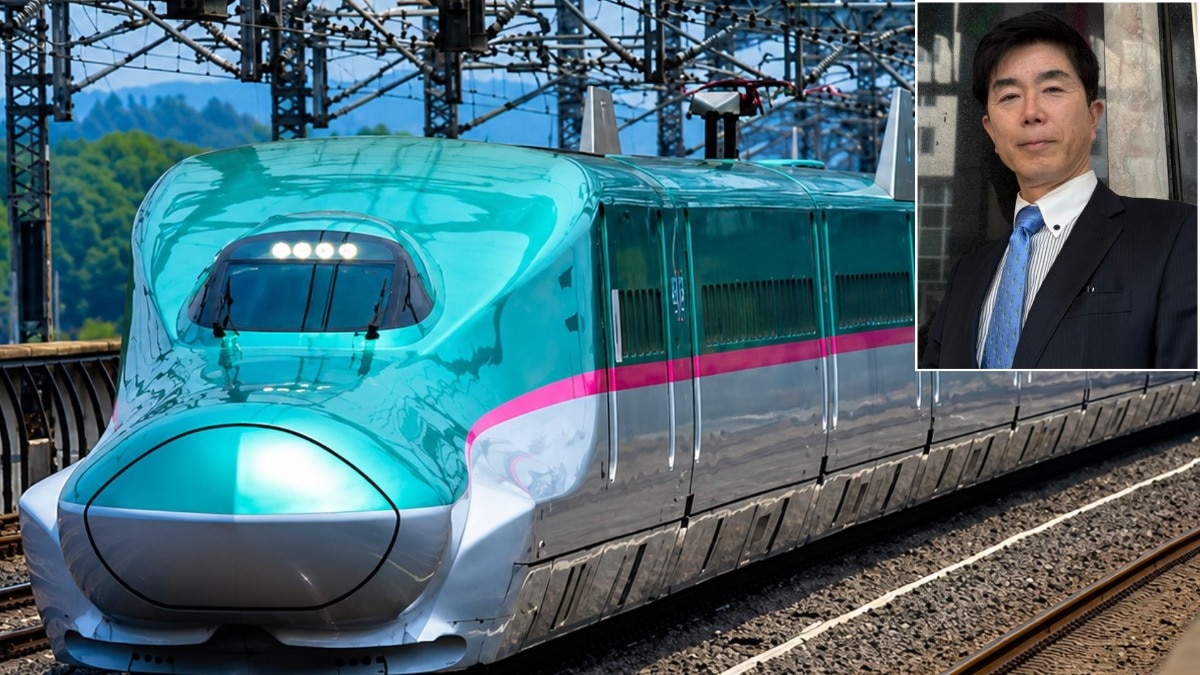
Former Japanese transport minister Shinji Ichio says India is the main cause of the bullet‑train project's slowdown. The remark raises fresh questions about the India‑Japan partnership.
Key Takeaways (मुख्य बिंदु)
- Regulatory hurdles in India have slowed bullet‑train construction.
- Japanese officials point to India as the primary cause of delays.
- The project’s timeline has been pushed back to 2027.
Shinji Ichio, Japan’s former transport minister, recently asserted that India bears responsibility for the delays plaguing the high‑speed bullet‑train project. His statement puts pressure on the bilateral cooperation that began in 2020 when the two nations signed a 1.1 trillion‑rupee agreement for the Mumbai‑Ahmedabad corridor.
Historical Background
The 2020 India‑Japan memorandum set out an ambitious schedule: construction to begin in 2021 with full operations slated for 2023. However, challenges in land acquisition, environmental clearances, and financing have repeatedly pushed milestones back, prompting a revised target of 2027.
| Aspect | Original Plan (2020) | Revised Plan (2024) |
|---|---|---|
| Target Completion Year | 2023 | 2027 |
| Estimated Cost | ₹1.1 trillion | ₹1.3 trillion |
| Key Milestones | Land acquisition by 2021 | Land acquisition by 2024 |
Why This Matters (इसके मायने क्या हैं)
High‑speed rail projects like the bullet train are catalysts for faster mobility, economic growth, and reduced carbon emissions. BozokMedia analysis shows that prolonged delays could erode investor confidence and diminish India’s competitive edge on the global stage.
Moreover, the setback underscores the urgent need for regulatory reforms within India. Streamlining land‑acquisition processes and accelerating environmental approvals would enable future infrastructure ventures to stay on schedule, creating jobs and advancing technological expertise.
"The success of complex projects such as bullet trains hinges on seamless regulatory coordination between partner nations." – Dr. Maya Patel, Infrastructure Analyst
Frequently Asked Questions (अक्सर पूछे जाने वाले प्रश्न)
- Question: When is the new projected completion date for the bullet‑train project?
Answer: The revised schedule aims for full operation by the end of 2027. - Question: What are the main reasons for the delay?
Answer: Delays stem from land‑acquisition bottlenecks, environmental clearance hurdles, and financing uncertainties.