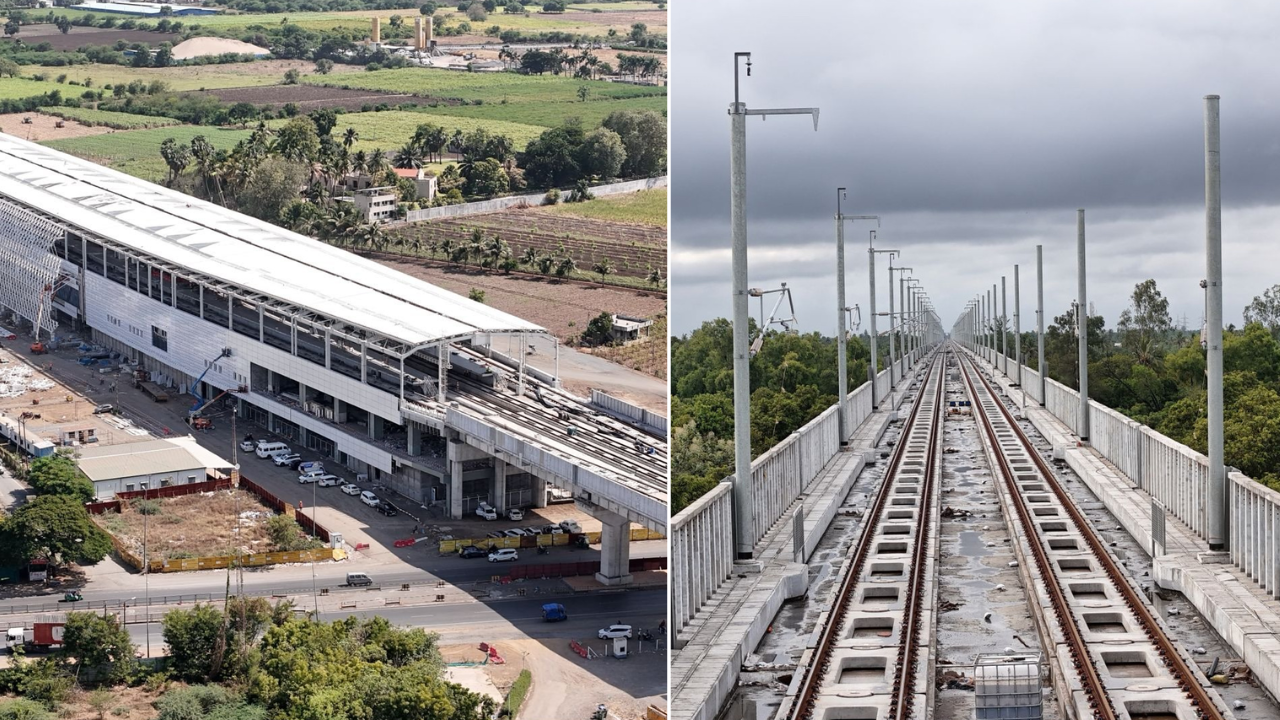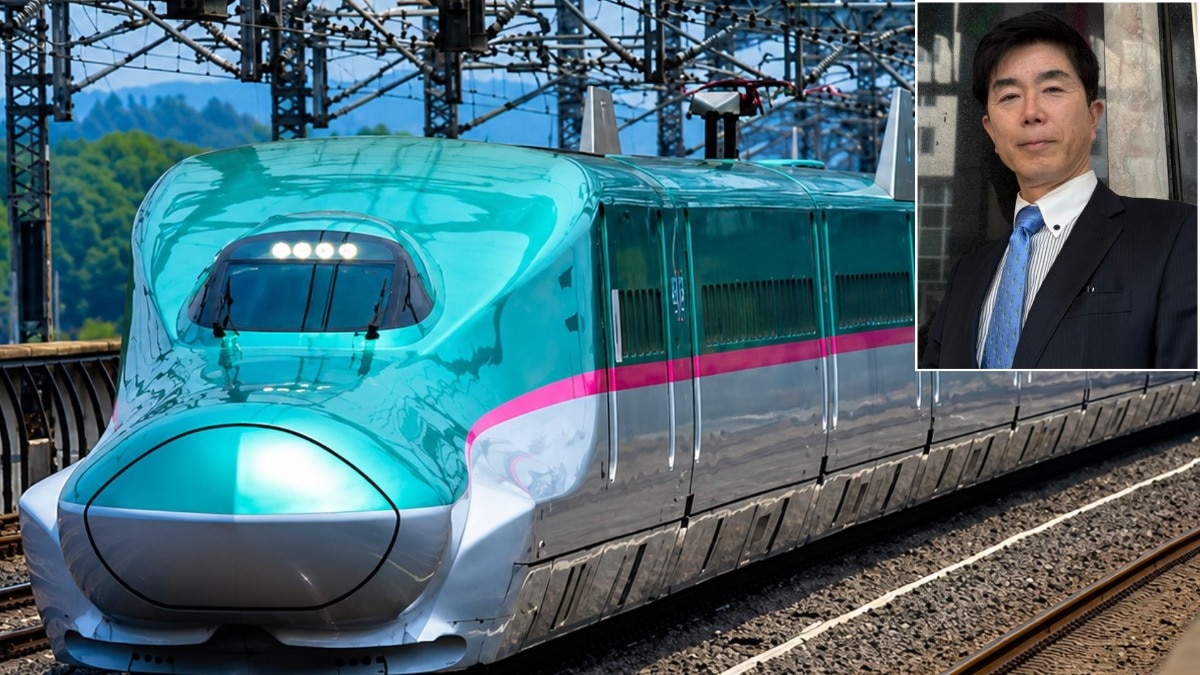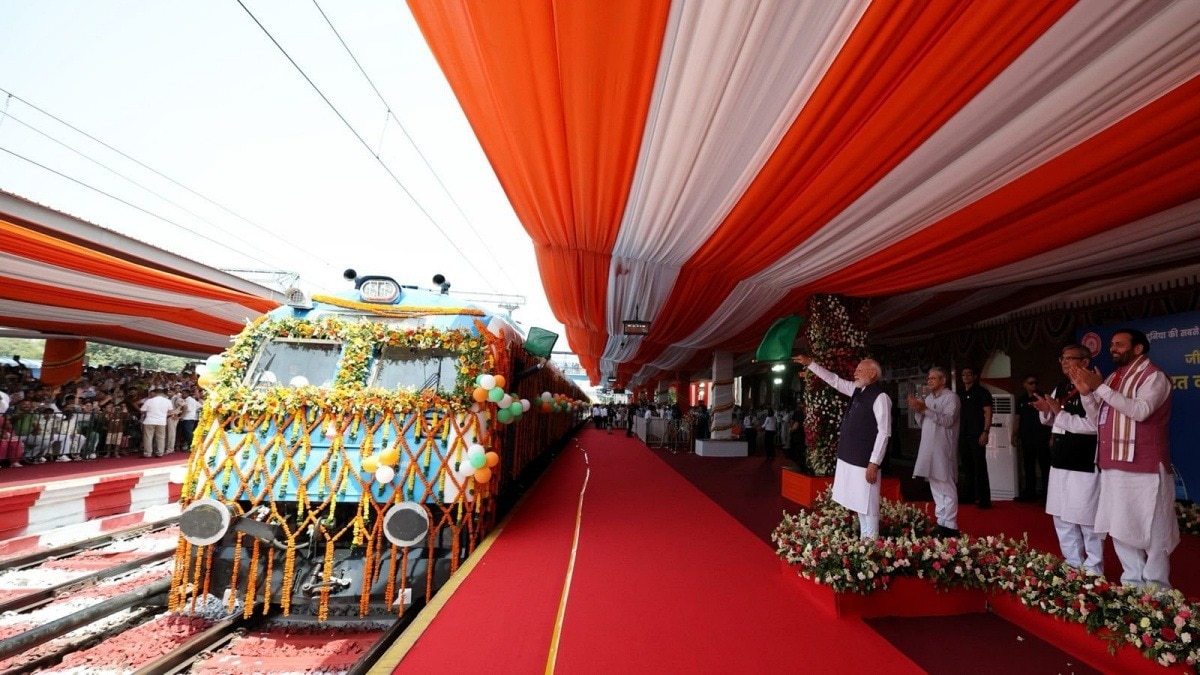
India has unveiled its first hydrogen‑fuelled train, which operates without traditional electric power. The move underscores the nation’s commitment to clean transport and could reshape the future of rail travel.
Key Takeaways (मुख्य बिंदु)
- India launches its inaugural hydrogen‑powered train
- The train runs on hydrogen fuel cells, not external electricity
- Potential environmental and cost implications
The Ministry of Railways announced that India successfully tested its first hydrogen‑powered locomotive on the Kolhapur‑Belgaum route in Karnataka. Unlike conventional electric or diesel engines, this train converts hydrogen gas into electricity via fuel cells, eliminating the need for overhead wires or diesel fuel.
Historical Background
Hydrogen‑propelled trains first appeared in Europe in the early 2000s, with prototypes built in Germany and France. Globally, nations have accelerated hydrogen adoption to meet climate targets, and by 2020 India’s high‑speed rail policy aimed to incorporate 10,000 km of hydrogen or battery‑electric tracks by 2030.
India’s rail network, the world’s fourth largest, remains heavily reliant on diesel and electric locomotives. Rising fuel costs and mounting carbon‑emission pressures prompted the government to explore alternative energy sources, accelerating the hydrogen train project.
Comparison Table
| Parameter | Hydrogen Train | Diesel Train | Electric Train |
|---|---|---|---|
| Energy Source | Hydrogen fuel cell | Diesel fuel | Grid electricity |
| Emissions | Zero CO₂, water vapor only | High CO₂ | Depends on grid mix |
| Range (km) | ≈800 | ≈1000 | Grid‑dependent |
| Refuel/Recharge | 5‑10 min hydrogen tank fill | 10‑15 min | 30‑60 min at charging point |
Why This Matters (इसके मायने क्या हैं)
According to BozokMedia analysis, the introduction of hydrogen trains offers Indian commuters a cleaner alternative, potentially reducing urban air pollution dramatically. Moreover, by producing hydrogen locally through electro‑lysis or biogas, India can cut its reliance on imported fuels, strengthening energy security.
From an economic standpoint, while upfront costs for hydrogen technology may be higher, long‑term savings from lower fuel expenses and possible carbon‑credit revenues make it an attractive investment for both policymakers and private stakeholders. This step also aligns India with global climate commitments and positions it competitively in the emerging green‑transport market.
"Successful deployment of hydrogen locomotives marks a pivotal shift toward energy‑independent railways and showcases India’s ability to lead in clean‑tech innovation," says Dr. Ananya Rao, senior energy policy analyst.
Frequently Asked Questions (अक्सर पूछे जाने वाले प्रश्न)
How long does it take to refuel a hydrogen train? Typically, a full hydrogen tank can be filled in 5‑10 minutes, faster than most diesel or electric recharging processes.
Is a hydrogen train truly greener? Yes—when the hydrogen is produced from renewable sources, the train emits only water vapor, achieving near‑zero carbon emissions.